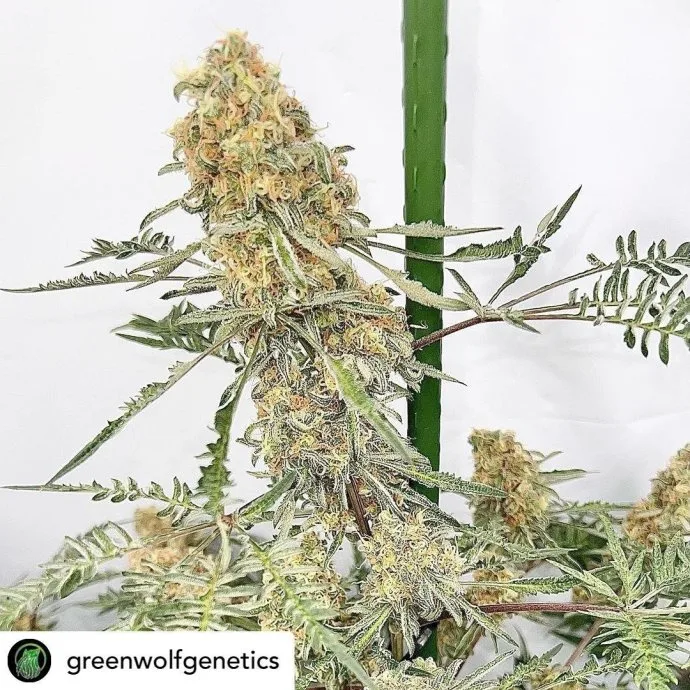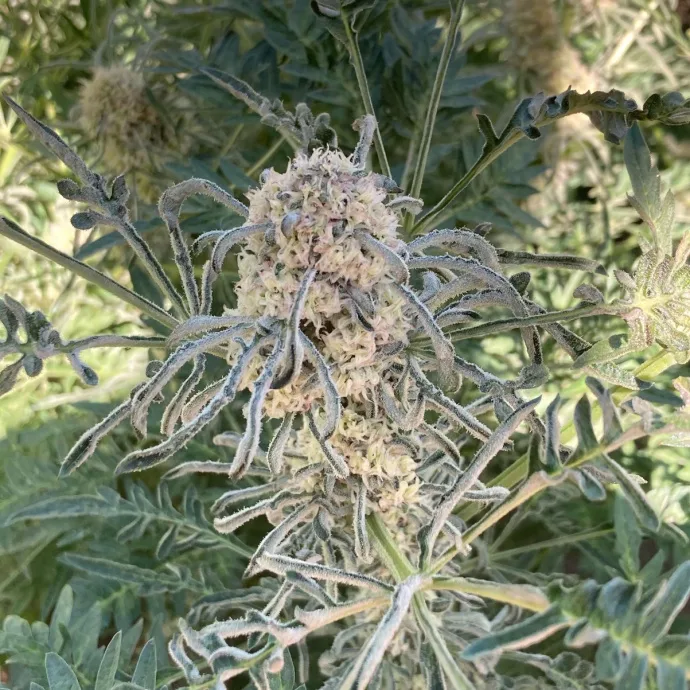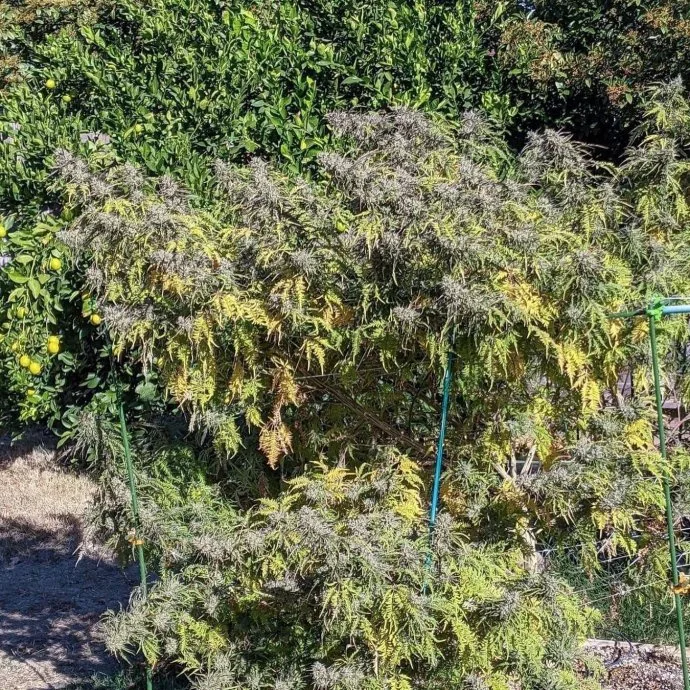
Namaste, bro! Today, we’ll talk about one of the most creative breeders of our time: Shapeshifter. He’s the person behind Freakshow, a unique cannabis strain that promises to solve pressing outdoor problems. Everything I describe is based on real facts and information provided by the original source.
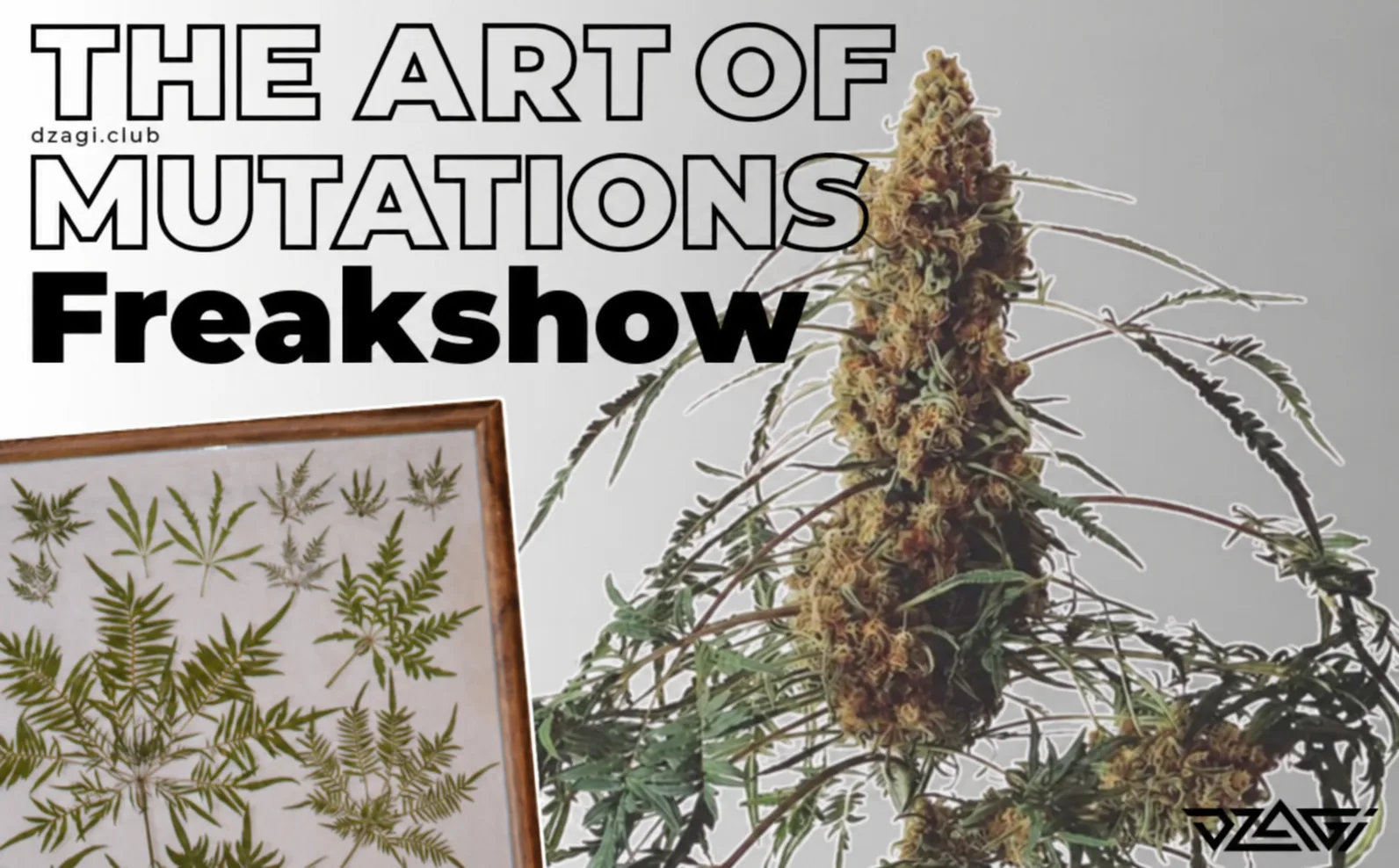
Becoming a shapeshifter
Jordan, aka Shapeshifter—or “werewolf” in Russian—is a man of many talents who doesn’t take the easy way. A self-taught man, he has mastered numerous skills, from growing cannabis to repairing motorcycles, making clothes, forging battle axes, and applying permaculture principles year-round.
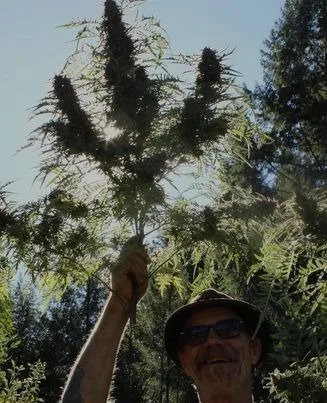
Diving deep into cannabis, Jordan discovered amazing characteristics of the plant that many people didn’t even know existed. He encountered unusual specimens, such as miniature dwarf plants or plants with unusual bud placement. But instead of rejecting them in favor of more traditional, predictable strains, he saw potential and opportunities for further research.
The story of Freakshow’s creation deserves particular attention. Many people ask, “How did he create this unique strain?” Answering that question could take several hours. But I’ll try to give you a reasonably short version.
Laying the foundation
This story goes back to 1958, the year Shapeshifter was born. From childhood, he was interested in anything unusual or rare. Strange objects, mutations, even people with unusual characteristics—all of it caught his attention. Anything ordinary or conventional seemed boring. His worldview was far from stereotypical, and he always sought to go beyond the accepted boundaries, even in cannabis.
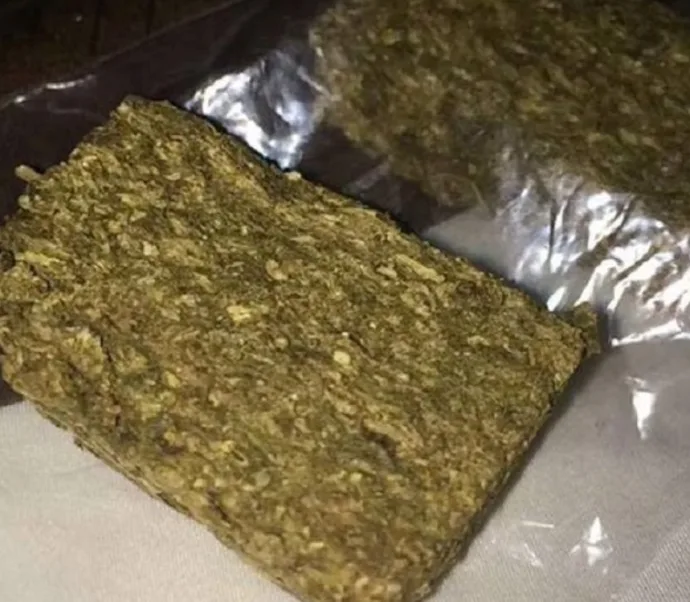
In the 1970s, most people had access to cannabis seeds from “bricks” imported into the country. These blocks came from various sources: Mexico, Colombia, and even places whose origins remained a mystery. Enthusiasts germinated the seeds right at home, studying and selecting the most unusual The observable traits of a plant, such as its height, leaf shape or colour. phenotypes ↗.
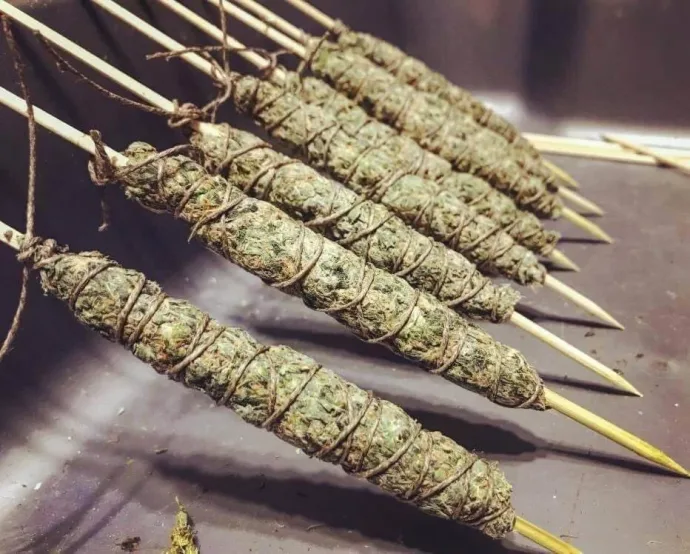
Most strains then were NLD—Narrow Leaf Drug, or, to put it simply, narrow-leaved plants, known as sativa. These were the main options available. But when enthusiasts began growing Thai strains from seeds found in Thai sticks, the diversity of species became apparent. Individual plants could differ dramatically, not only in appearance but also in aroma and chemical composition.
Interestingly, most strains had no names back then. Many seed batches were random, thoroughly mixed collections. Only their general quality was noted: good, strong, or just normal. But you could find excellent genetics even in Mexican bricks.
Shapeshifter was always fascinated by the search for unusual cannabis phenotypes, and it became his main hobby. During his research, he identified numerous unique plant characteristics: dwarf forms, narrow or web-like leaves, unusual patterns on stems, and many more… But to his surprise, these characteristics attracted no public attention. Most people were interested in high-producing strains and BLD—Broad Leaf Drug, meaning broad leaves. Indica dominated the market, while sativa lost its popularity.
Despite changing trends, Shapeshifter kept working with sativa strains, preserving and improving their genetics. He felt these strains deserved attention and was pleased when they began returning to the market over time.
Partly thanks to Shapeshifter’s long work with sativa genetics, Freakshow was introduced to the world. The breeder found that Afghan strains rarely show any deviation from the standard phenotype. After studying many batches of broad-leaved plants, he concluded that their geographic origins or adaptation to particular climates could explain this. Unlike Afghani, sativa plants had adapted to different environments around the world, making them much more diverse and unique.
In the past, choosing male cannabis plants was fairly random. Often, people simply chose the largest plants. Sometimes seeds appeared through unforeseen circumstances, such as pollen getting in accidentally. To preserve favorable genetic characteristics, Shapeshifter and other breeders used a method in which a group of females was bred with one selected male. They then chose the most promising offspring and removed the rest.
With the arrival of cloning technology, the process became easier because it allowed the original plants’ genetics to be preserved for further use, A backcross: crossing a descendant with one of its parents to preserve or reinforce that parent's traits. backcrossing ↗, and other breeding methods. These genetic “reserves” could be kept for years until they were no longer relevant. While laboratory testing became an important breeding tool, Shapeshifter maintained that personal experience and analysis had always been key. He foresaw marker-assisted breeding becoming a standard in the future, making the process more predictable and precise. That’s how it all began many years ago.
Stability is a sign of mastery
Shapeshifter used a unique breeding methodology based on inbreeding, focused on leaf morphology. Instead of following standard criteria, he sought the most unusual leaf shapes and selected the most interesting variations.
Interestingly, the breeding process included a backcross to the popular parent line Pineapple Express. This step was taken to improve and stabilize several desirable characteristics, including the terpene profile and bud density. The project was passed to Nathaniel of Humboldt Seed Company at F3, and since then the company has developed several additional breeding generations, emphasizing the new leaf morphology and a variety of fruity notes.
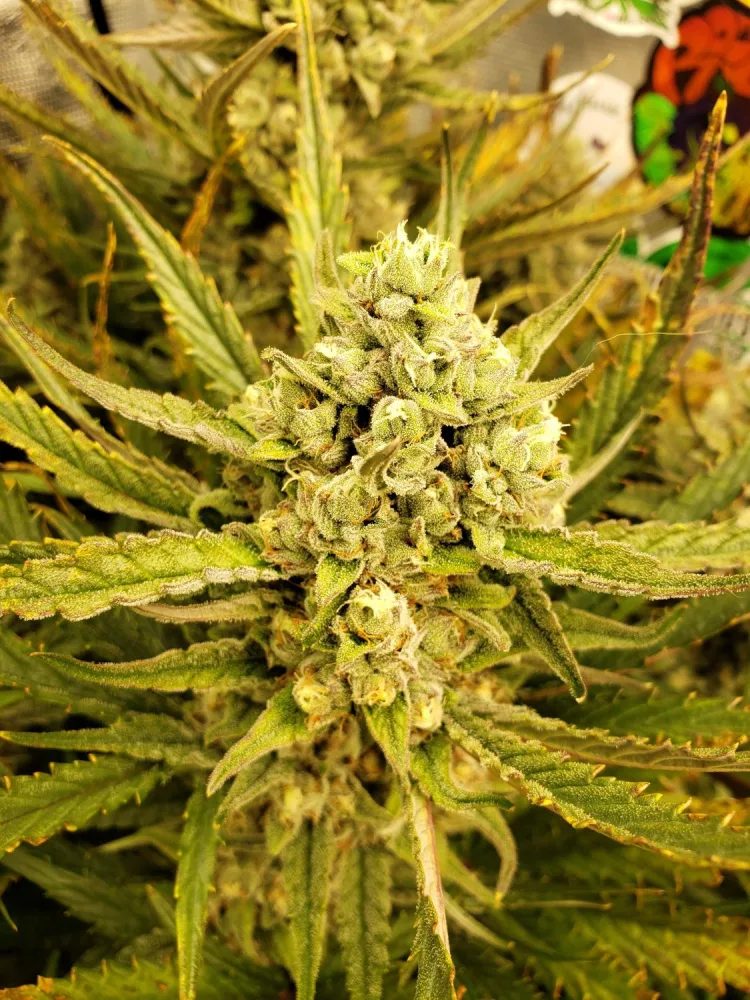
As for the results, everyone has their own opinion. Recent informal testing showed that although cannabis enthusiasts received all the strains well, each participant had a favorite version. As Shapeshifter says, “It’s all about personal interpretation.” This reminds us how diverse and individual each person’s experience can be.
According to Shapeshifter’s account, by F4 the original line was consistently reproducing the selected leaf morphology. For this trait the strain had become homozygous: every plant grown from seeds of this generation expressed the leaf morphology known as FStp.-2. Nat can confirm this. As far as Jordan knows, there was not a single plant without this characteristic.
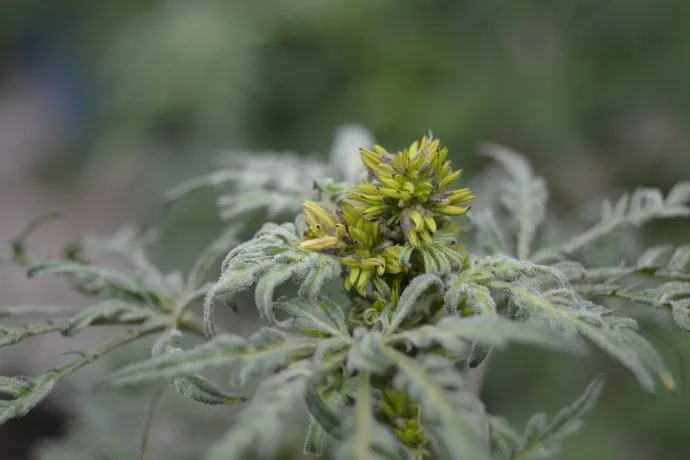
Freakshow was also homozygous for several other desirable characteristics. These properties were selected and stabilized during breeding aimed at obtaining a particular leaf shape. Numerous online reports and discussions confirm this. Jordan believes Freakshow’s homozygosity comes from several factors:
- “Sativa” ancestry: three of Freakshow’s four original parental lines were almost pure “sativas.” These lines probably shared much of their genetics, as they had been maintained in pure form for many years. While many other varieties underwent hybridization, these “sativas” remained stable.
- Shared characteristics of the parental lines: even before the crossing process, the parental lines displayed many similar characteristics, making them ideal candidates for breeding.
- Strict selection: at every stage of the breeding process, Jordan followed strict selection criteria. This helped him focus on specific desired characteristics.
- Constant growing conditions: all generations of Freakshow grew under the same conditions, with the same altitude, latitude, light, and soil. In Jordan’s view, these constant conditions caused epigenetic changes that contributed to the strain’s uniformity.
- A passion for breeding: Jordan has always sought a deep understanding of the genetic dynamics of cannabis. His knowledge and experience allowed him to preserve, improve, and stabilize rare cannabis genetic material.
Jay devoted a lot of time to the project, going through numerous stages of breeding, selection, and experimentation. Although much of his FS work isn’t mentioned in public sources, Jordan emphasizes that he has many other lines, backcrosses, and special selections for terpene profiles in his collection.
His approach to breeding was always multifaceted. The plant’s terpene profile came first: he sought particular sesquiterpenes and monoterpenes that make up the aroma. Next came trichome coverage and many other characteristics, such as the calyx-to-leaf ratio, flower structure, and calyx size. He also paid attention to plant resistance to different pests.
Flower density, which many consider a key factor, wasn’t one for this breeder. He maintained that overly dense flowers could make a plant vulnerable to diseases such as botrytis. There’s always a trade-off in that respect.
Throughout his career, Jordan created many strains, some of which were destroyed. Sometimes his goal was simply to preserve a strain in its original form, without trying to improve it through outcrossing, selecting only the best specimens from the same line to stabilize its characteristics. This interest grew when he noticed that, after many generations of standard selection for narrow-leaved phenotypic expressions, certain anomalies began appearing again.
Intrigued by these anomalies, he decided to go deeper into studying and working with these unique characteristics. His interest was so great that he even decided to focus on the most unusual expressions.
All these efforts were aimed at creating and improving the strain. But describing every stage, every experiment, and every detail of his work would fill volumes. Even so, Shapeshifter shared the key moments of his journey.
The family tree
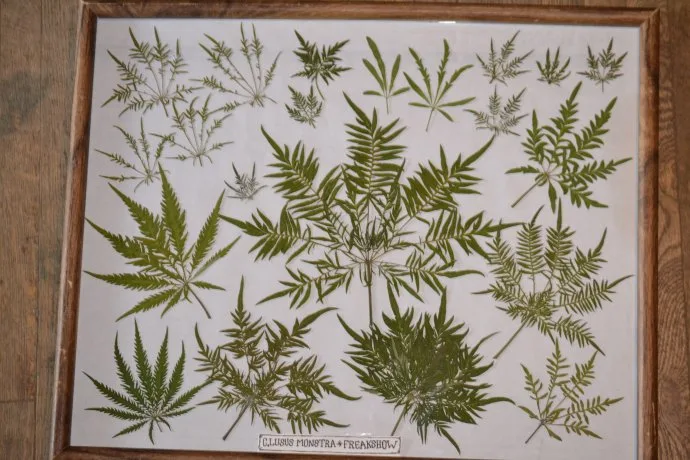
The foundation of this development was an initial cross between a female Pineapple Express and a male Holy Chiquita, also known as Holy Banana.
Pineapple Express was selected from a generation Jordan developed himself using PE genetics from G-13 Labs. The origins of those genetics remain a mystery. Existing sources suggest Pineapple Express may descend from Trainwreck and Maui Wowi, although the exact details of their origins are also unknown. Other sources point to a combination of BC Bigbud and Skunk #1.
Shape says the name “Pineapple Express” became popular and may have been used for different strains. Despite the strain’s hazy history, however, he emphasizes that Freak has highly stable narrow-leaved genetics. This suggests G-13 Labs may have spent many years selecting and breeding the strain, making it so stable and predictable in reproduction.
Jordan conducted extensive research into cannabis breeding, and one of his interests was Holy Chiquita. This strain was created by Coastal Seed Co., based in Santa Cruz. At the time of his latest research, the strain was no longer being sold.
Exploring Holy Chiquita’s history, Jordan found that it came from crossing two other strains: Big Sur Holy Weed and Banana Kush. Interestingly, the true origins of those parent lines are a mystery too. Banana Kush, in turn, was the result of crossing OG Kush and Banana, whose pedigrees are again not precisely known.
A male from The second generation of a cross, descended from F1 plants. Traits can separate into different combinations in this generation. F2 ↗ was selected to create the strain’s next generation. This was no random choice: it had unique characteristics. Its leaves were slightly narrower, its stems were red, and it had a large number of leaflets and serrations. The male also had an outstanding terpene profile with a pronounced sweet, fruity aroma. But what particularly caught Jordan’s attention was its trichomes. This characteristic is easy to identify early using magnification and became even more apparent as the plant grew and matured. Although trichomes are usually associated with female plants, this plant had plenty of them, even surpassing some of the girls!
Shifter paid particular attention to some interesting F2 characteristics. Specifically, this cross revealed remarkable phenotypic stability apart from a new leaf morphology he called “alligator teeth.” Although this new leaf type was fairly common, Jay considered the work unfinished. His vision wasn’t simply to create a new stable mutation but something variable and unpredictable. Something that constantly evolves and produces new, unique forms.
The Freak on Record
The strain’s origins are recorded in the FS-tp2 patent description. Pineapple Express and Holy Banana were crossed in 2017 in Madera County, California, and work with the offspring followed in 2018. Patent US11330778B2
Word of the strain was already going around online before the big premiere. An article with Jordan’s account came out on October 22, 2019, and on December 10 the user Thesearch posted a Humboldt Seed Company announcement on ICMag: Freakshow was expected to debut at the upcoming Emerald Cup. The post names Shapeshifter outright as the strain’s creator. October 2019 article, dated announcement on ICMag
Step by step
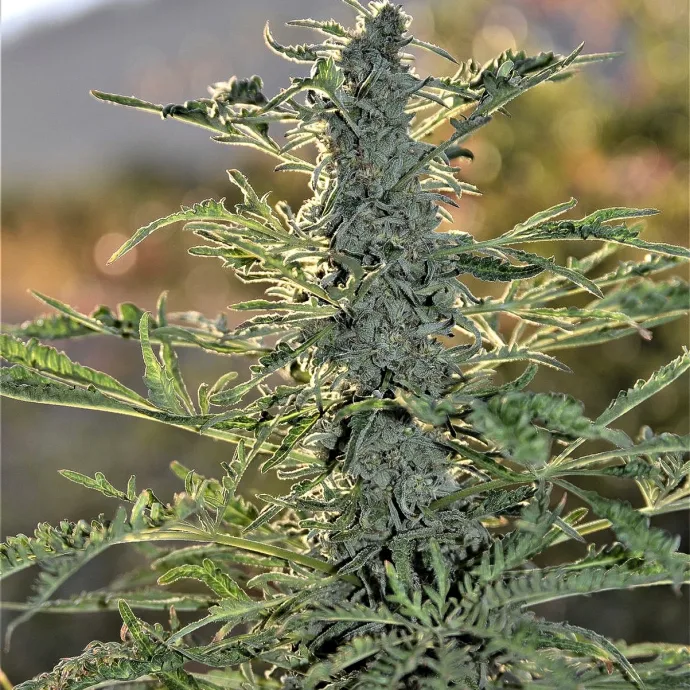
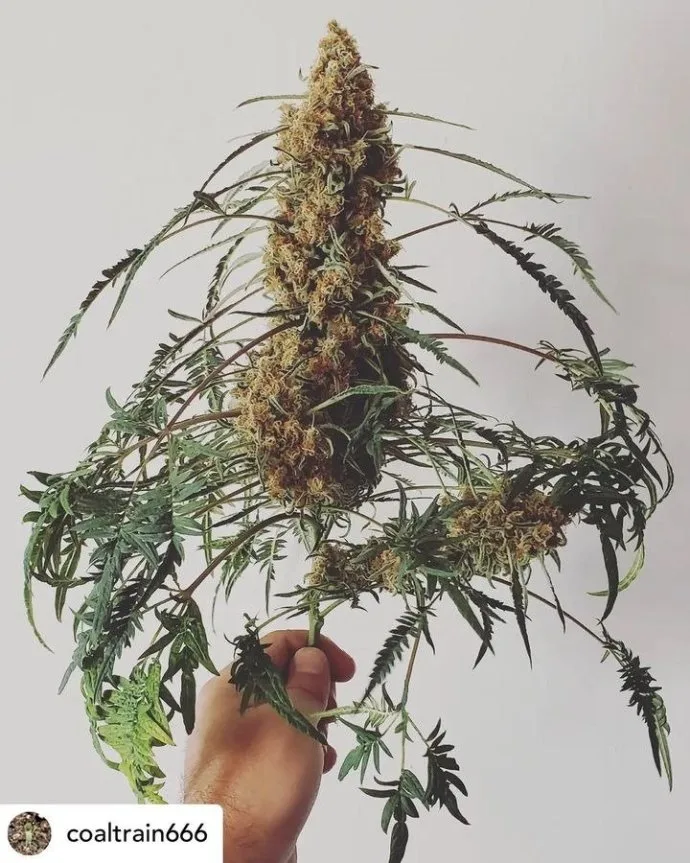
Jordan soon began stabilizing this line, selecting plants for a particular flavor and terpene profile. He then identified two unique phenotypes: one with deeply serrated leaves and another with an excessive number of leaves. Both phenotypes were unique and rare.
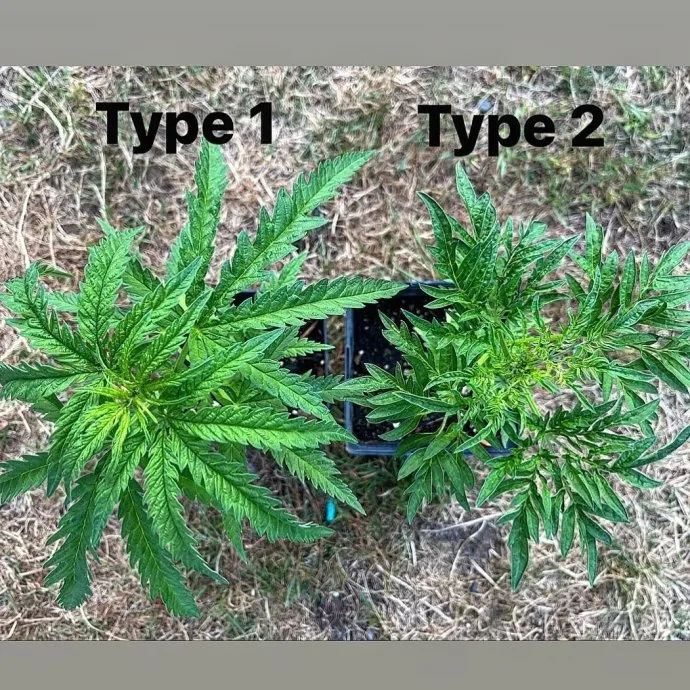
After successfully crossing these two unusual phenotypes, he obtained plants combining both characteristics. This was the birth of Freakshow type 1, a unique, remarkable plant that continues to be improved and stabilized. This type was released first because it was a real explosion in the cannabis world. As Jordan emphasizes, this was only the beginning, and we’ll soon see more from this magnificent plant.
In the next generation, the freaks began showing their full splendor. Among hundreds of germinated seeds, many stood out for their unusual shapes. That’s how the name “Freakshow” appeared: many of these plants were so unique that there was simply no other word to describe them. To find out whether this characteristic was unique, they decided to post a few pictures of the specimens on Instagram. The response was astonishing: nobody had ever seen plants like these!
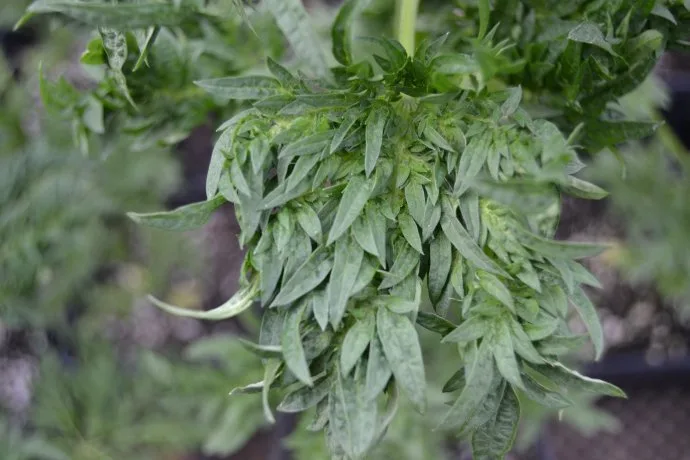
Shapeshifter continued his breeding work, focusing on these unique freaks. First came Freakshow, whose leaf shape differed sharply from the familiar appearance of cannabis. Then an even more unusual phenotype appeared, named “Freakshow type 2.” Another trait, meanwhile, was named “Freakshow type 1.” Interestingly, type 2 appeared in just one of around 300 plants. After numerous experiments and selection, this rare group of genes became stable. It really was a breakthrough in breeding and took a great deal of time and effort on Shapeshifter’s part. But it was worth it. He had always believed that exceptional varieties should be preserved and improved, and this experience only reinforced that belief. True skill in breeding is the ability to see potential and develop it. There were mistakes along the way, but the results speak for themselves.
A young Freakshow type 2 plant deserves particular attention. It appears to be a plant that could become a real discovery in breeding. Despite the thousands of plants examined and rejected during selection, this specimen stands out for its unique morphology, which seems new to the whole world. Some plants in this group show a remarkable ability to adapt and transform, making them even more unique. This process reminds us of nature’s wonders and breeding’s potential.
Over his many years working on the plant-breeding project, Shape invested countless hours and boundless passion. This meticulous research allowed him to witness real evolution in action, albeit through artificial selection. Of course, these methods are nothing new to humanity. Many of our agricultural achievements, such as cultivating wheat and corn, became possible through similar methods.
Cannabis thus underwent modification through human intervention. Studying these processes opened up many new questions for the creator and provided opportunities for further research. Particular attention was paid to DNA and natural biological mechanisms, which seem to have a remarkable ability to adapt and innovate.
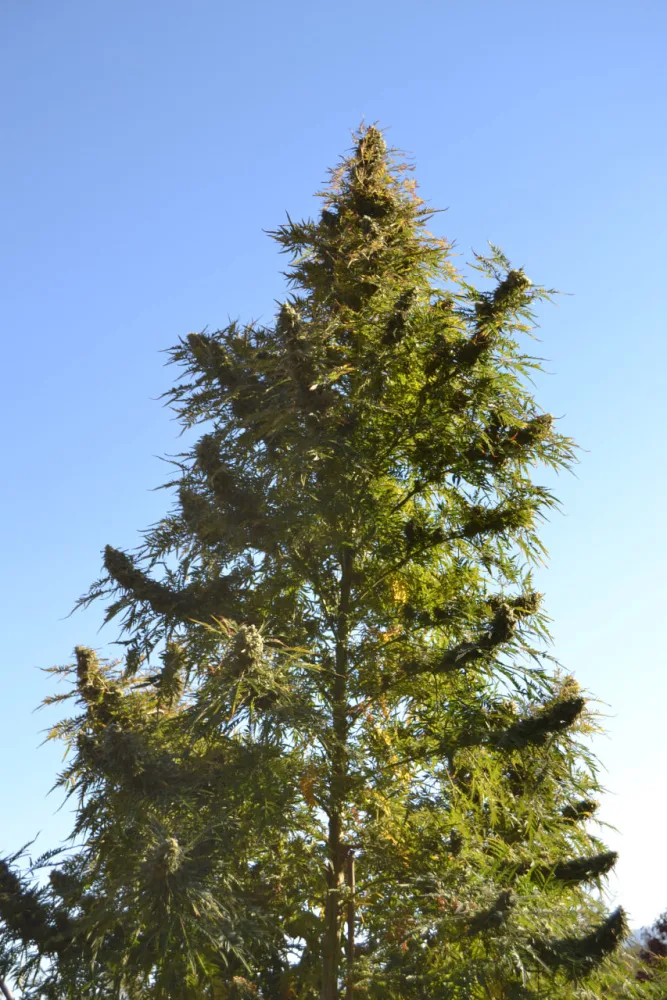
From this research, Shape concluded that environmental influence on organisms’ development may exceed the influence of their genetic code. Nevertheless, as in any scientific field, the more he learned, the more he realized how deep the gulf of what he didn’t know lay before him.
Even the breeder himself has no specific instructions for creating such an unusual strain. He’s considering returning to the starting material and beginning again to see whether similar results can be achieved with other phenotypes.
He is currently outcrossing to identify dominant traits. However, Freakshow has been preserved in several pure parallel lines that have reached F5 and F6. All parent specimens are carefully kept in a library for possible future backcrossing. This approach helps maintain genetic diversity, plant vigor, and purity. And perhaps the whole process also needed a little luck, because every breeding choice could have led to completely different results.
In any case, despite all his experience and accumulated knowledge, Jordan considers himself lucky and acknowledges that experience was what helped him achieve his results. Understanding cannabis’s true pedigree is possible only after genetic analysis, and even then the results may be limited by the database. Most modern cannabis strains may have genetic connections to dozens, if not hundreds, of ancestors.
To put it simply, many aspects of the cannabis genome remain a mystery. In the future, Shape intends to share his view of breeding history and possible paths for cannabis development. He emphasizes that responsibility for the future of this unique genome rests with us. To him, Freakshow is vivid evidence of the plant’s potential and its genetic and epigenetic plasticity.
A warning shot
Which terpenes?
Terpene levels average 2.5–3%. Limonene and pinene mostly predominate, but this varies. There is a lot of diversity in terpene combinations and compositions across generations, and this characteristic has been left “as is” for now. Different lines can take several different directions.
Why are the seeds white?
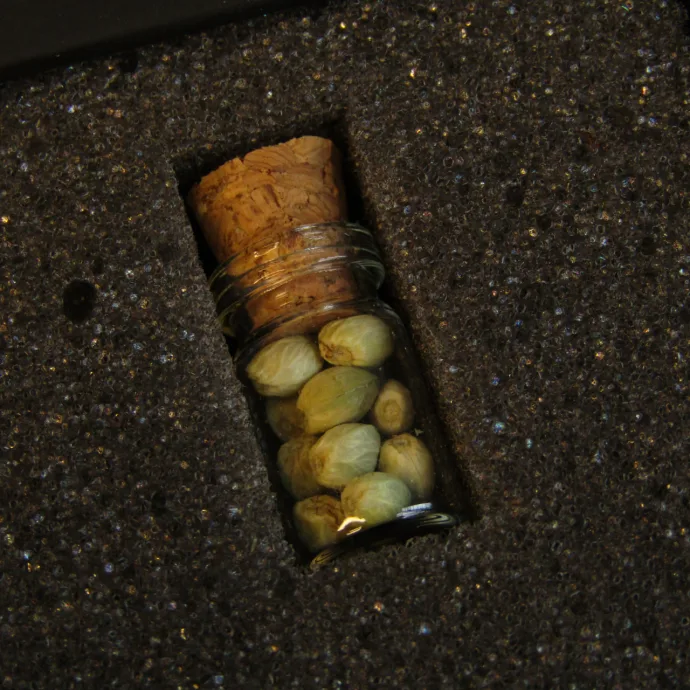
Why is the sky blue? Mature seeds are wrapped in a thin membrane, like rice paper, that carries their color and mottling. But it’s so fragile that it falls apart during sorting. Seeds stripped of that outer layer are very pale, almost white. It’s hardly surprising that this plant has unusual seeds.
How long does it flower?
8–9 weeks. When grown in the open, the cycle finishes in early October at most latitudes.
Does it yield well?
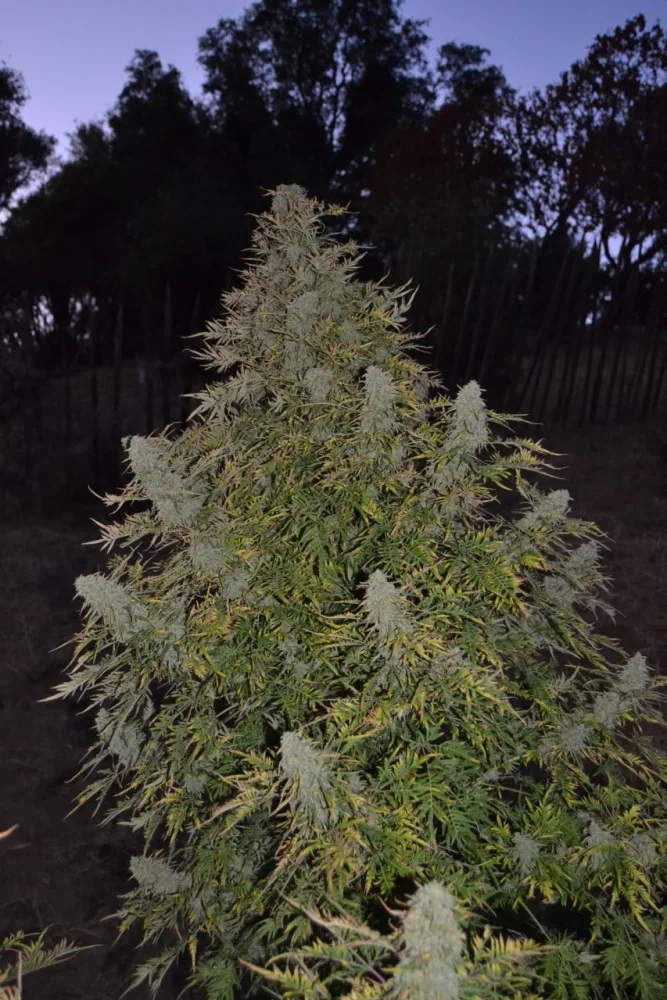
Freakshow produces massive branches with dense buds covered in sugary trichomes. Everything depends on your skills and growing parameters.
Why Is It Patented?
Shapeshifter, like most other people, supports the idea of “open source,” since sharing cannabis genetics has always been a cultural norm. Even so, it was decided that Freakshow had to be protected. There were three reasons: it is a new strain that did not exist before; greedy corporate “big boys” must not be allowed to exploit it; and control over its genetic development had to be kept for all future generations. Shapeshifter’s answers reprinted on ICMag
Patent US11330778B2 is titled Cannabis plant named ‘FS-tp2’ and was issued on May 17, 2022. The application was filed on June 17, 2020, with reference to provisional applications from 2019. The document describes a particular line and its Type 2 morphology. Patent text
Humboldt Seed Company
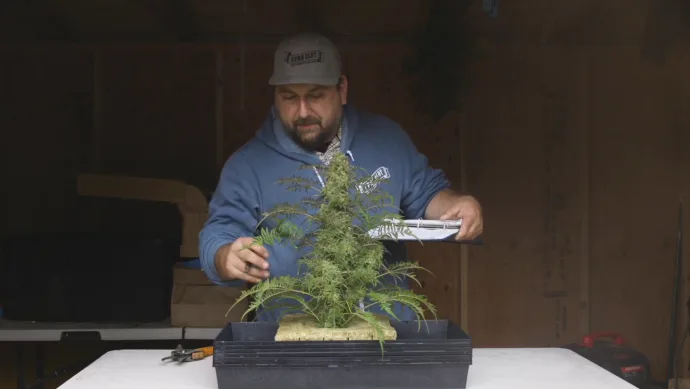
As you’ve noticed, our story includes the well-known Californian Nathaniel of HSC. And yes, the guys gave Freakshow enormous exposure and played a role in popularizing the freaks. According to the breeder himself, however, as of October 2023 they weren’t on the best of terms.
Hi-Elevation Genetics

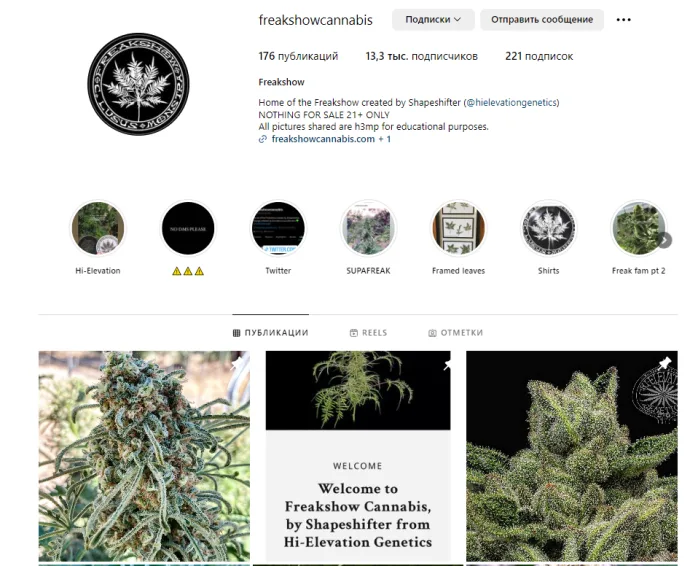
Hi-Elevation Genetics is a family seedbank founded by Jordan according to principles of love for his craft and maintaining high, consistent quality.
“Freakshow” is a vivid example of the breeder’s dedicated work on strain genetics. That same dedication went into building the seedbank’s entire lineup. Jordan spent more than 40 years collecting and improving his genetic collection. Each strain in the seedbank was selected with particular care, following the high standards he set for himself. Strains that didn’t meet those standards were rigorously eliminated on multiple occasions. As a result, the collection shrank several times, sometimes by as much as 90%.
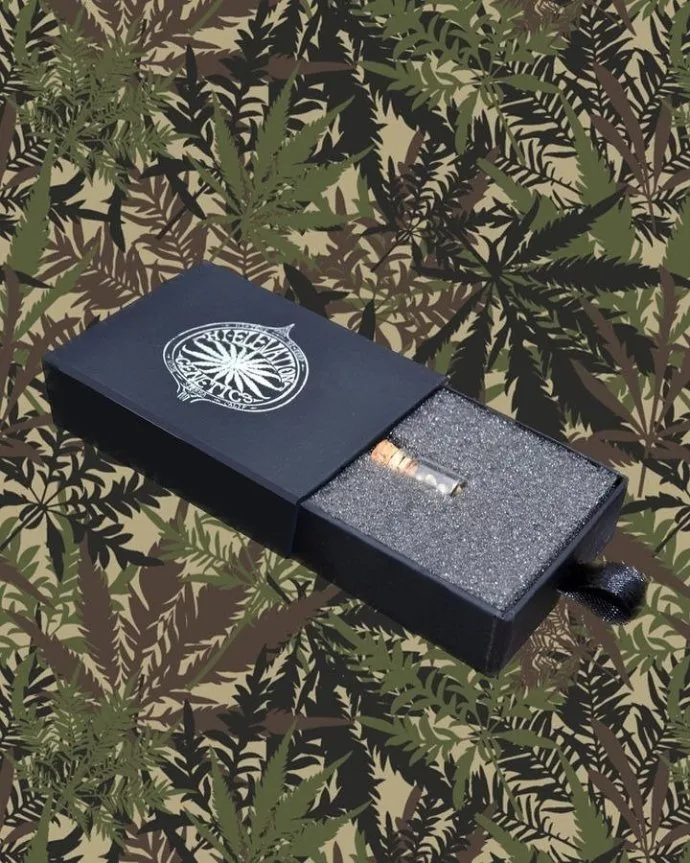
Although exploring the full diversity of the seeds will take much more time, Shape decided to share this unique project with the community. He hopes other enthusiasts will also appreciate his collection and continue preserving the genetic code of rare plants.
The Family Grows
Berryfreak appeared alongside Freakshow fairly early on. In a December 7, 2021 article for the Trichome Institute, based on what Shapeshifter and his son Maxx told him, Max Montrose describes these lines as separate branches from the same original pair, Pineapple Express and Holy Banana. Berryfreak was the work of Maxx, known as Dr. Freak.
The name SupaFreak was already being discussed on ICMag on December 27, 2020. ICMag, post by rolandomota
A plant that starts flowering independently of the length of the day. Autoflowering ↗ projects appeared later, too. PollenSax started a thread on Autoflower Network on July 8, 2022, and by September of the same year was already discussing the F4 generation. In March 2024, CrayosGenetics wrote about SuperiorFreak Automatic on Overgrow; their F3 plants had grown the previous season. Each of these programs has its own log and its own timeline. post by CrayosGenetics
A walk around the farm
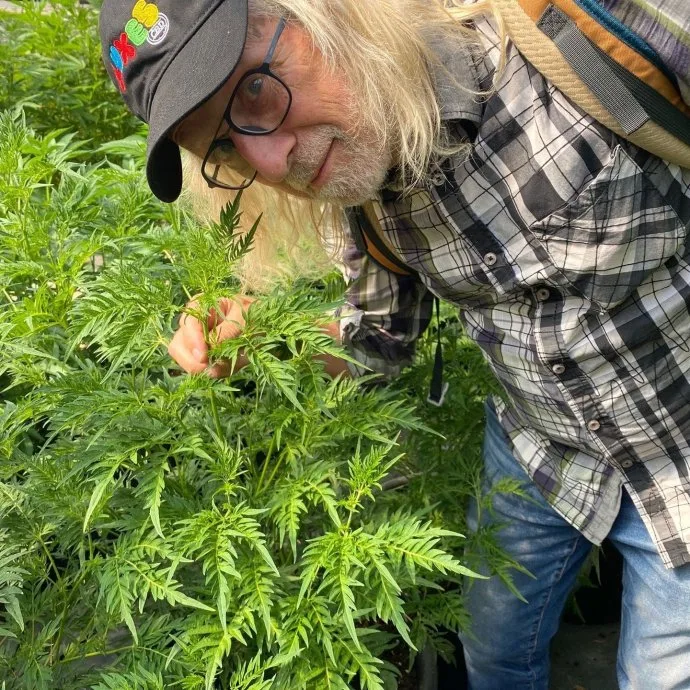
Despite many years of research, Shapeshifter still believes many aspects of this science remain unexplored. But that’s the beauty of science, isn’t it, man? Constant learning, discovering something new, and understanding that nature still holds many secrets.
Creating a unique cannabis strain like Freakshow is both an art and a science. The main secret of success is carefully observing plants, down to the smallest details. Choosing parent specimens, clearly defining goals, being patient when things fail, and having access to a unique collection of genetic material all play a key role. And as you can see, we have plenty to learn.
Sources: public publications about the company and strain.