Good day! Today, we’ll lift the veil on one of the most fascinating and important aspects of cannabis breeding: Inbred Line: a line selected over generations to reproduce particular traits consistently. IBL ↗ (Inbred Line) strains. Those three magical letters open a door to a world of stability and predictability, which breeders and growers value highly.
Why are IBL strains so important in the cannabis industry, and what key to success do they offer? Answering these questions will help us understand how master breeders create amazing new strains and how IBL strains improve the quality and yield of our favorite plants. Get ready, bro. Today, we’ll turn a new page in our understanding of the green world!
What is an IBL?
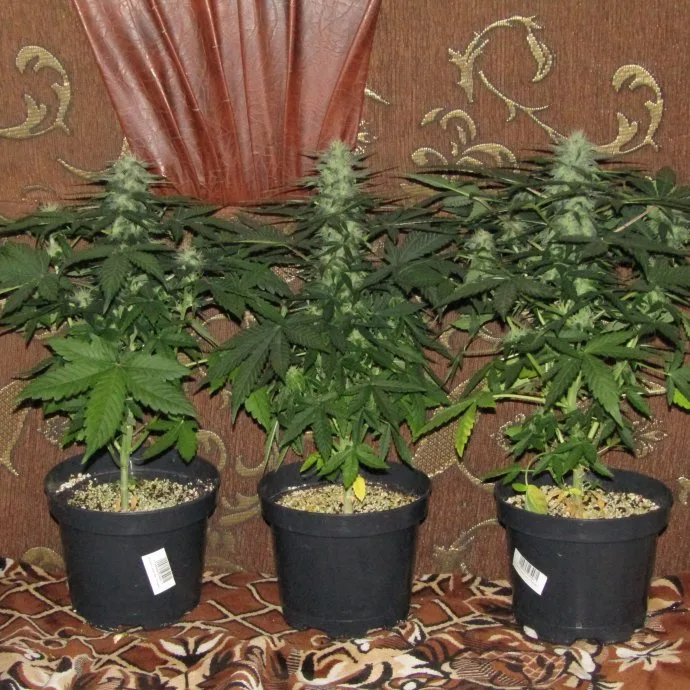
IBL, or Inbred Line, is a term for pure-line strains. In other words, IBLs are pure-line strains that produce offspring with stable, consistent genetics, usually based on one dominant The observable traits of a plant, such as its height, leaf shape or colour. phenotype ↗ of the strain. The opposite concept is outbreeding, which describes the introduction of new genes into a strain. Landraces are a good example of IBL strains, although IBLs also exist among traditionally cultivated lines.
Breeders may use IBL to describe strains that produce the same particular characteristic again and again over many generations. Breeders focus on different dominant traits, such as effects, appearance, potency, smell, and aroma.
Breeders prefer IBL strains over strains or hybrids with unstable or unpredictable characteristics. Parent strains with consistent traits will pass them to their offspring, and this will continue over many generations.
How are IBL strains created?
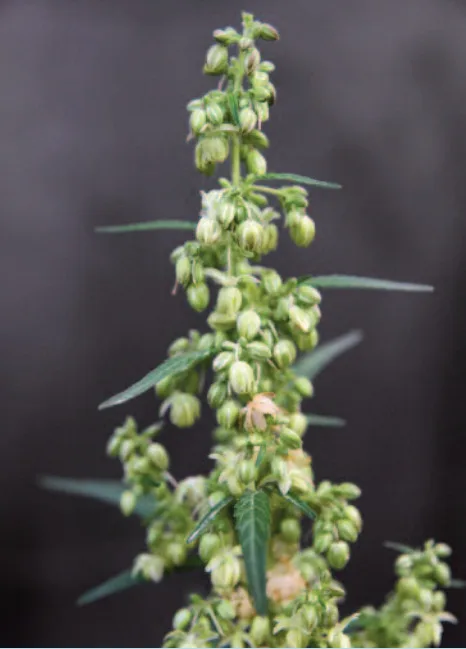
An IBL is achieved in two ways: in the wild, through open pollination and natural selection; indoors, through breeders’ careful selection under controlled conditions.
Breeders begin working on an IBL when their goal is to create a pure, stable strain. This is achieved through selective crossing and takes several generations until the traits the breeder is seeking become stable. With an IBL, these plants will develop the same preferred traits in every generation with minor variations. This also makes it possible to effectively eliminate all unwanted traits from the gene pool.
IBL seeds, or “inbred lines,” are inbred descendants of original The first generation from a cross between two parents. F1 ↗ hybrid crosses. Successful IBL breeding follows multiple hybridizations between plants of the same line until the IBL becomes almost like a strain of its own species. The number of generations needed to achieve IBL status varies, but agricultural breeders usually begin releasing inbred lines after six or more generations.
In most cases, stabilization is achieved through A backcross: crossing a descendant with one of its parents to preserve or reinforce that parent's traits. backcrossing ↗*. For this reason, IBLs may also be called IBCs (inbred backcross lines). In some cases, the two interpretations are mixed together. This is most often called an IBL or IX (inbred cross). It usually refers to offspring produced by backcrossing to previous offspring rather than to the original parent, or when the parents have substantial genetic overlap. (For example, F1 x Bx2 instead of P1 x Bx2.)
*Backcrossing is a breeding method in which an offspring is crossed with one of its parents to strengthen or preserve particular genetic characteristics. This makes the offspring’s genetic material more similar to the parent used in the backcross, reinforcing certain desired traits.
In nature, the environment decides which expressions are naturally suited to survival. In each cycle, the best-adapted plants survive and pollinate one another over several generations until a relatively uniform population develops and continues to exist through self-pollination.
This is exactly how A plant that starts flowering independently of the length of the day. autoflowering ↗ strain lines are stabilized. With autoflowers, since we always reproduce from seeds, each generation moves closer to an IBL.
Each autoflower generation represents one step down the genetic tree. This happens because it’s impossible to preserve clones of the original parents when breeding autoflowers. New pollen donors and recipients therefore have to be selected in each subsequent generation. By the sixth or seventh generation, the strain is much closer to an IBL.
IBLs in practice
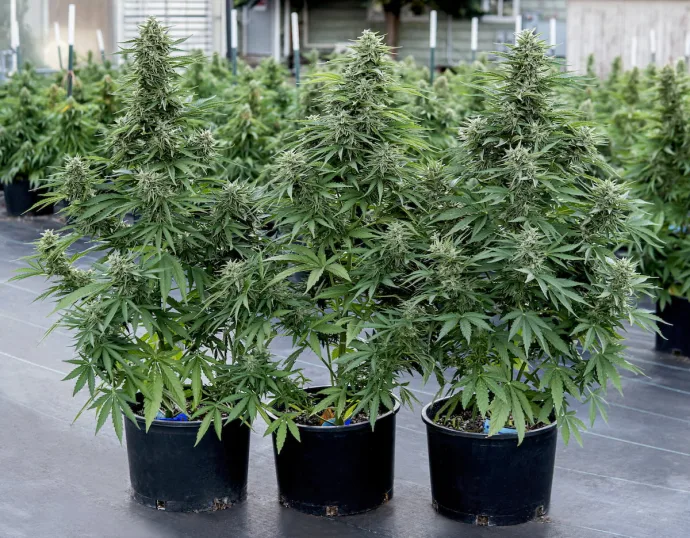
The biggest advantage IBL strains offer, whether you’re growing, breeding, or conducting research, is predictability.
For a grower, predictability means your seed stock will perform consistently from plant to plant and crop to crop under the same conditions and care.
For a breeder, predictability provides a controlled baseline. The expression of consistently dominant traits can be predicted in offspring, speeding up breeding and stabilization in each generation.
For a researcher, the result depends on the stability of the starting data. If you work with unstable strains outside the IBL group, the results may reflect a particular expression of genes rather than the particular experiment. Using inbred strains also allows further research into genotypes with varying degrees of genetic similarity with a high level of confidence, which cannot be achieved with unstable polyhybrids.
Once the genetics reaches a point where uniform offspring can be selected and consistently reproduced, the backcross is classified as an IBL.
Cannabis standards lag far behind commercial agriculture standards when it comes to IBLs and homogenized seeds. Most strains in this industry aren’t stable by agricultural standards. But there are people in the industry gradually advancing projects of this kind.
IBL strains
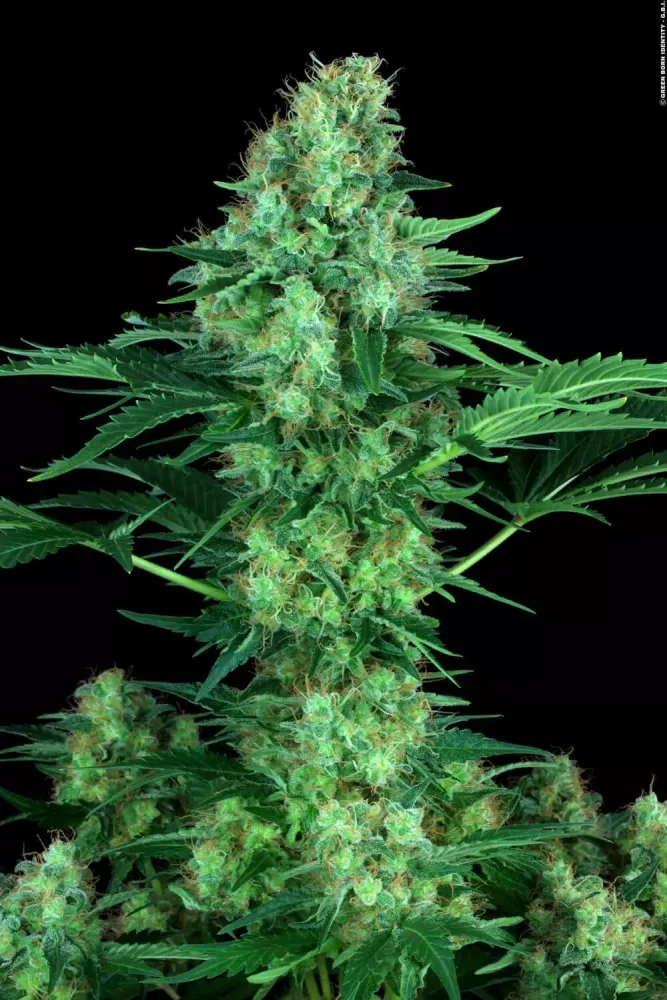
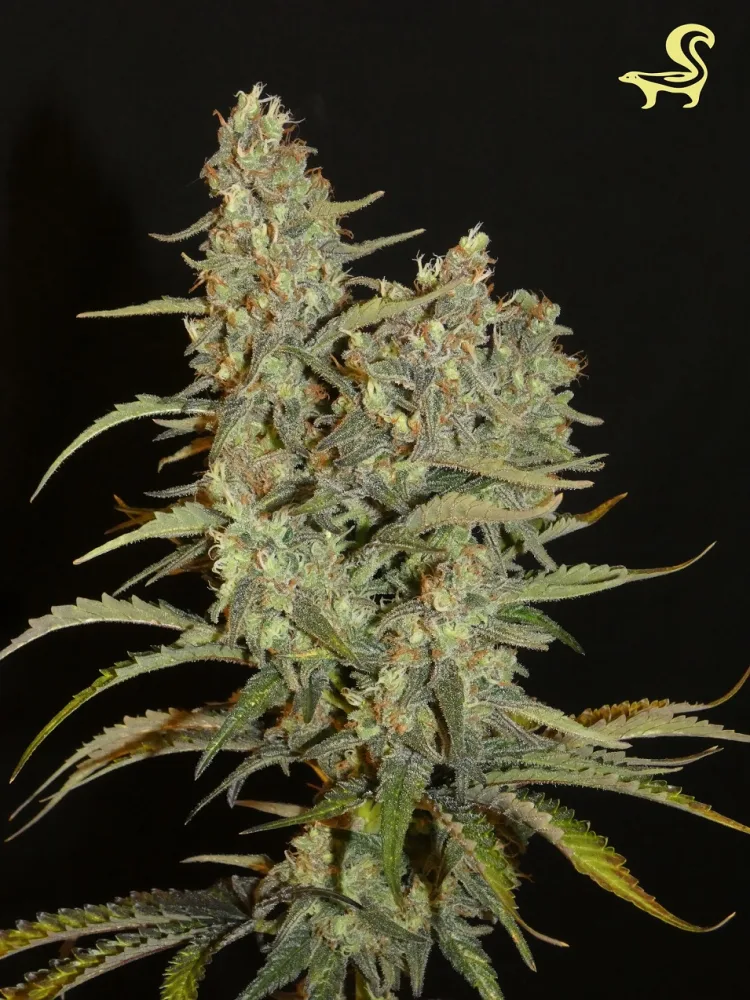
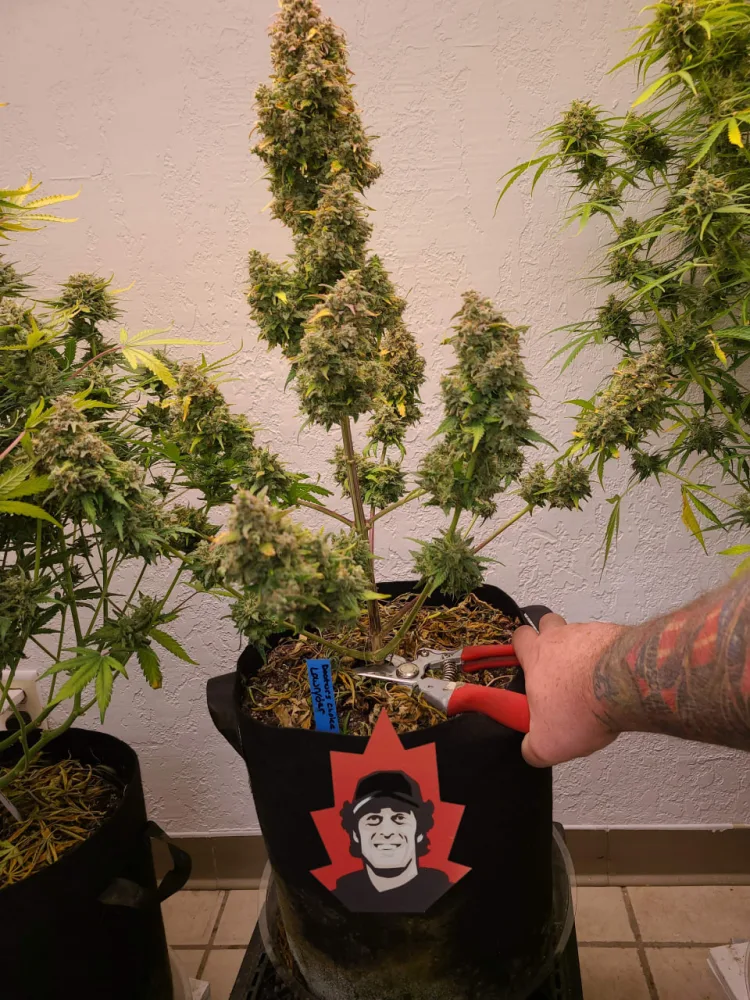
On the market, you’ll mainly find hybrids or different generations of strains stabilized to different degrees and for different traits. But genuine pure lines exist too.
Taking the stable path
Well, we’ve figured it out. Now you know that IBL strains are reliable friends for plant enthusiasts. They serve as a powerful bridge connecting breeding science with practical cultivation needs, helping speed up innovation in the green world of cannabis and enriching it with amazing new strains for our enjoyment and benefit.
Pure lines make life easier. Breeders love them for their stability, and growers love them because the plants develop without surprises and deliver excellent harvests time after time. I think you’ll come to love them too.