
Greetings! Today, we’ll return to the world of cannabis to talk about something special and interesting: strains with a short flowering period. Have you ever wondered why some cannabis plants flower faster than others? Or how this can affect yield and product quality? Why are these strains so popular with growers in the first place? This article is here to tell you everything you need to know.
Fast Flowering, or Fast Version, isn’t just a marketing trick—it’s a real find for people who value their time and harvest quality. In this article, you’ll explore the genetics and discover the advantages these strains offer, and we’ll debunk a couple of myths. So get ready. Our journey into fast-flowering cannabis begins here.
What is Fast Version / Fast Flowering?
Fast Flowering or Fast Version cannabis strains are versions of In photoperiod plants, the change to flowering depends on the length of the day. photoperiod ↗ strains that flower much faster. They were developed to speed up flowering and harvesting, which is especially important in regions with short summers or unstable climates.
Fast versions are usually hybrids that include ruderalis genetics (Cannabis ruderalis). You probably already know what A plant that starts flowering independently of the length of the day. autoflowers ↗ are and how ruderalis fits in. But let’s go over it just in case. Ruderalis is known for its ability to flower automatically, regardless of the change in lighting conditions normally needed to induce flowering in photoperiod strains.
Including ruderalis genes in hybrids with a photoperiod plant allows them to flower faster. These strains are usually ready for harvest two or three weeks earlier than their photoperiod version. This makes them ideal for cultivation in places with short summers or in enclosed spaces where growing conditions can be controlled more strictly.
But there are also strains with short flowering periods that don’t involve autoflowering genetics. These strains are created through careful selection during breeding. Their flowering period can sometimes be exactly the same as that of fast versions.
The advantages of Fast versions
Whatever the situation, these strains have advantages of their own.
- Growing efficiency: A quick flowering cycle allows more frequent harvests. For example, if a normal photoperiod strain matures in 8–10 weeks, a Fast Version may mature in just 6–8 weeks. This means more cycles can be completed in a year.
- Saving resources: A shorter flowering period also means using fewer resources.
- No waiting for winter: Fast versions can be grown in regions with unfavorable weather conditions where other strains don’t finish flowering before the cold arrives.
- Fewer fungal diseases: Growers can avoid mold problems usually associated with damp, rainy fall weather.
Myths and legends

Myths and misconceptions often circulate around cannabis, especially when something new comes along. Many people claim fast versions are inferior to traditional strains, but that isn’t always true. Let’s examine the two most common myths about FF strains.
Lower yield: Because of their quick production, fast-flowering strains yield less than photoperiod or autoflowering strains.
Modern breeding methods and genetic improvements make it possible to create Fast Version strains that can produce large harvests despite their shorter flowering period. Thanks to these improvements, the plants can produce fairly large, dense buds.
Of course, none of this means every Fast Flowering strain will necessarily yield as much as or more than a normal version. It depends on many factors, including the plant’s particular genotype, growing conditions, care, and the grower’s experience. But we can confidently say that modern Fast Version strains significantly narrow the yield gap compared with traditional photoperiod strains.
Lower cannabinoid content: For similar reasons, buds from fast versions usually contain fewer cannabinoids than buds from classic photoperiod strains.
Cannabinoid content primarily depends on genetic composition. Modern breeding methods make it possible to preserve high cannabinoid levels even in Fast Version strains. If the original photoperiod strains had high THC or CBD content, their fast-flowering versions may have similar characteristics.
As with yield, cannabinoid content can vary between individual plants, even within one strain. This depends on many factors, including genetics, growing conditions, and plant care.
Of course, it’s always worth remembering that not every Fast Version strain will necessarily have high cannabinoid content. It depends on the breeder’s goal. But there are no fundamental reasons why they couldn’t have cannabinoid levels as high as their classic counterparts.
Fasts on the market
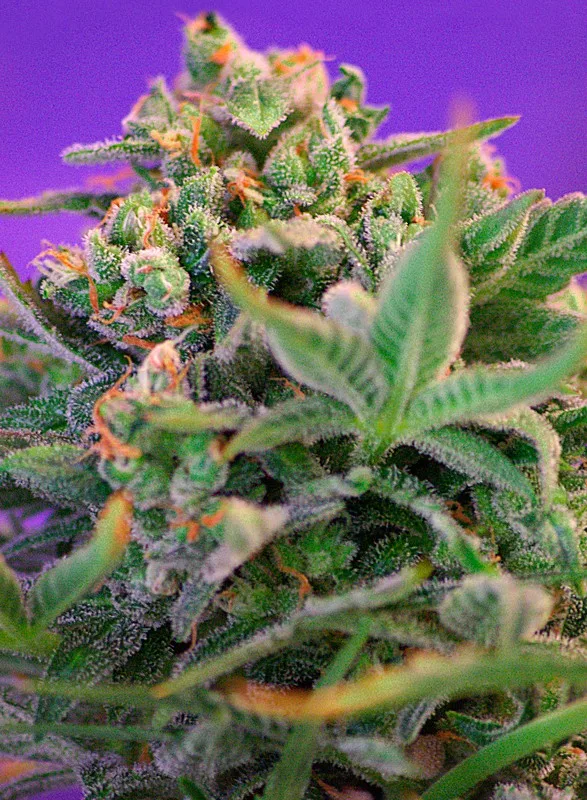
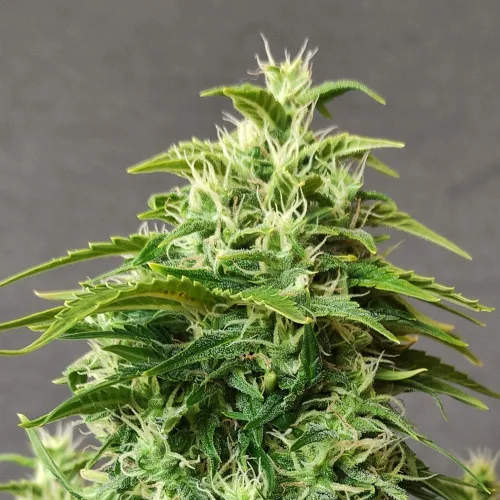
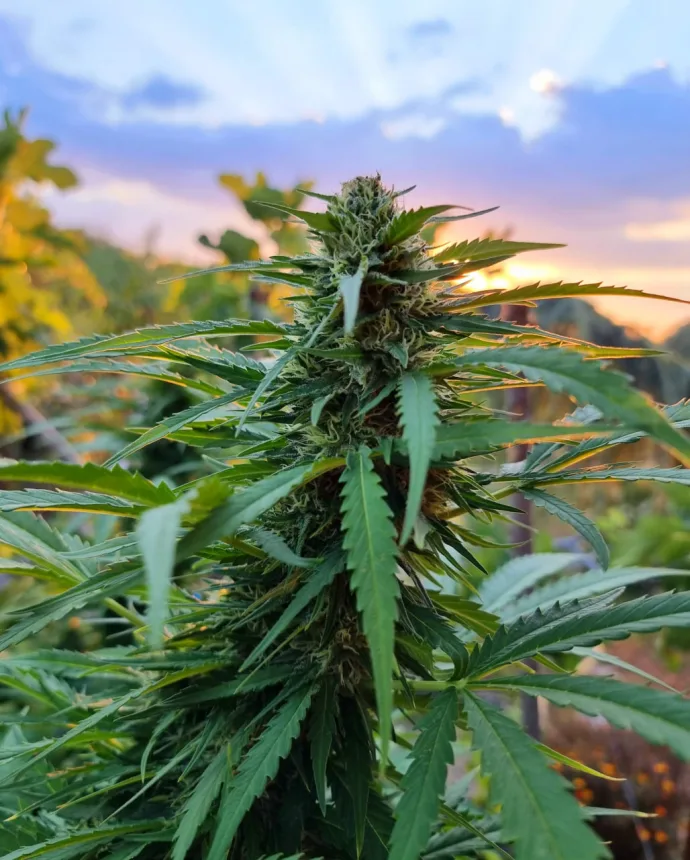
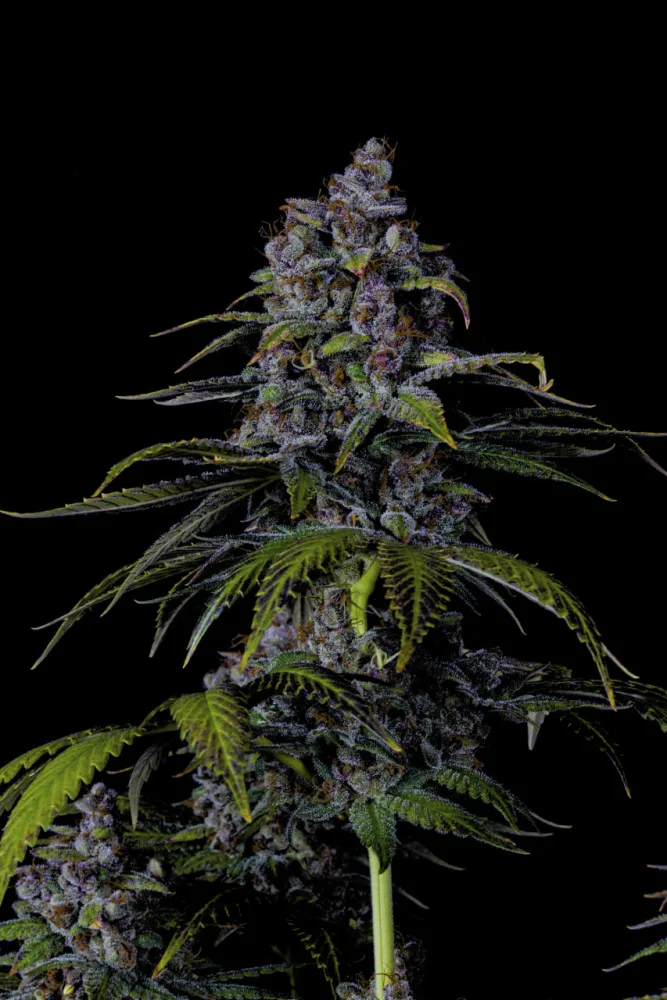
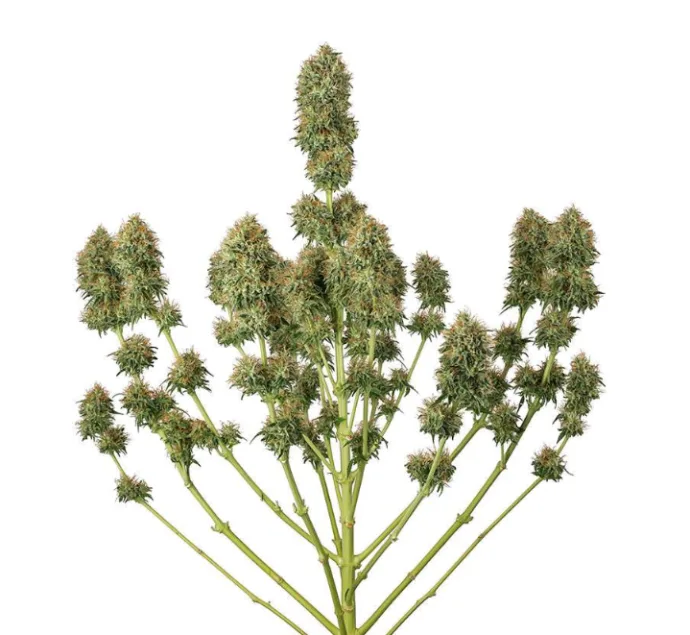
Fast Flowering or Fast Version strains are becoming increasingly popular in today’s cannabis market. These strains, combining quick flowering with high-quality harvests, are offered by many well-known breeders. They are ideally suited to plant growers seeking efficient, fast cultivation without sacrificing quality or yield.
Let’s make it quick
To wrap up this look at Fast Version cannabis strains, we can confidently say they are a powerful tool for outdoor growers as well as commercial operators or home growers who need quick harvests.
With shorter flowering times, improved yields, and high quality maintained, these strains solve many problems faced by today’s cultivators. They are especially valuable in regions with short growing seasons, offering the opportunity to harvest earlier and more often.
Fast Version strains therefore not only meet demands for speed and efficiency but also open new horizons for cannabis cultivation, making it more accessible and manageable.