
Hey, bro! When people talk about cannabis, the familiar “sativa” and “indica” usually come to mind. But there’s another player that’s just as important: ruderalis. This unremarkable, extremely hardy “weed” from harsh Siberian and Central Asian latitudes gave growers A plant that starts flowering independently of the length of the day. autoflowering ↗ strains that can grow where other forms simply can’t cope. Let’s look at where its name came from, how feral cannabis differs from genuinely wild ruderalis, and how humble ruderalis became a genetic donor for modern autoflowers.
Disclaimer:
In this article, “sativa” and “indica” are used as traditional, historically established names. Modern research shows that a plant’s characteristics depend less on these categories than on the individual combination of genes, terpenes, and cannabinoids.
Ruderalis and the Debate over a Third Species
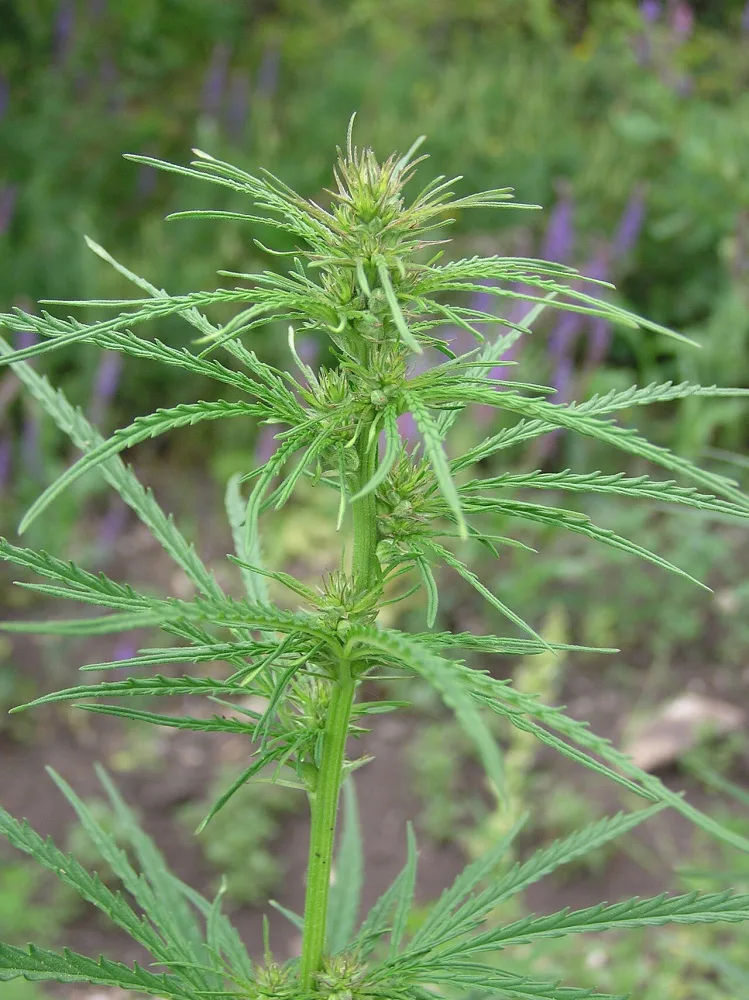
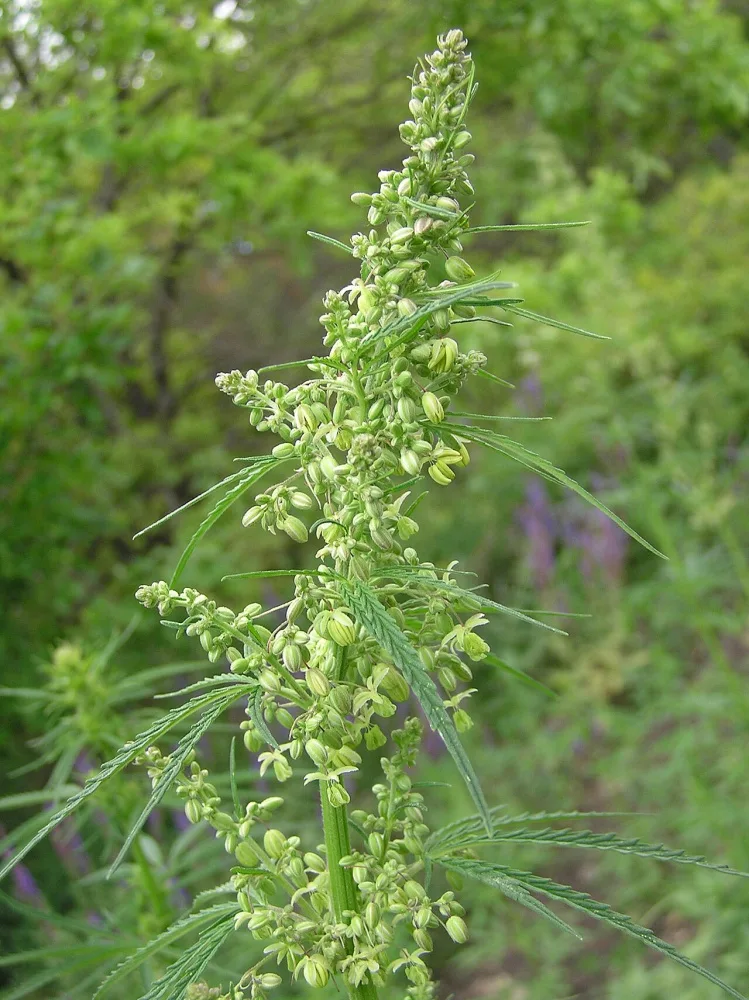
Cannabis ruderalis, commonly called ruderalis, is a member of the genus Cannabis in the Cannabaceae family that many consider a third subspecies or even a separate species alongside sativa and indica. The name appeared in botanical literature in 1924, and its rank has been interpreted in different ways ever since. Today, Plants of the World Online lists Cannabis sativa var. ruderalis as a synonym of Cannabis sativa. Ruderalis itself is short, compact cannabis that withstands stress: usually 30–60 cm tall, occasionally up to a meter, with a thick, sparsely branching stem and light green leaves. Its flowers are small and dense. Kew, Plants of the World Online
Ruderalis’s main feature is autoflowering. Sativa and indica begin flowering when the days shorten, while ruderalis starts flowering once it reaches a certain age and size. Biologists discussing this mean a reduced dependence of the transition to flowering on day length. Ruderalis usually produces flowers 5–7 weeks after germination, and the whole cycle from seed to mature seeds takes about 8–10 weeks. That lets it produce offspring within a short summer. Toth and colleagues, 2022
The evolution of the autoflowering mechanism
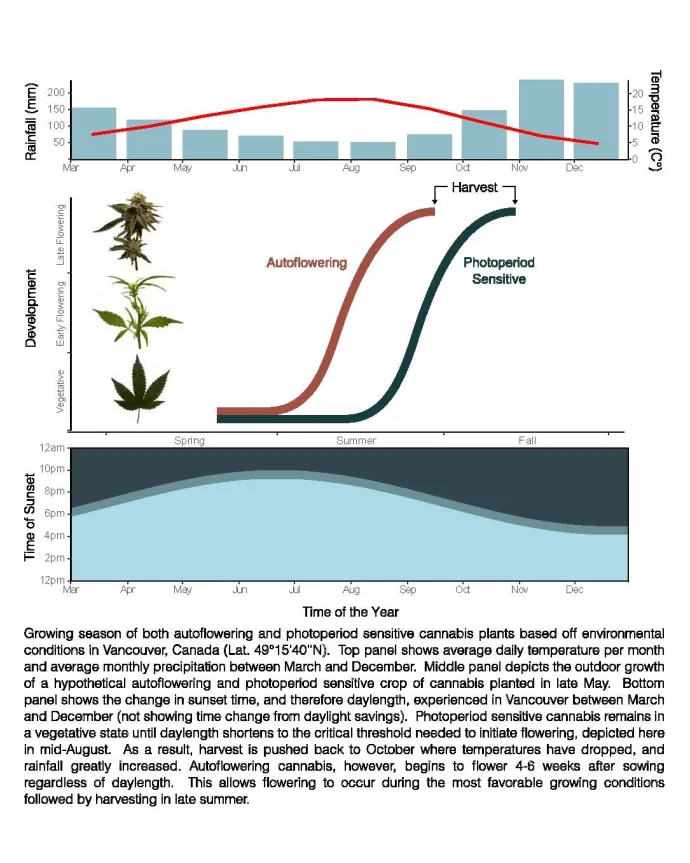
Ruderalis’s ability to flower without the days shortening is the result of long adaptation. Its natural habitats are Eurasia’s high latitudes: Siberia, Central Asia, and northern Europe, where summer is short and the days barely shorten until fall. A plant waiting for short days won’t manage to flower there before the frost. Geneticists have already found regions of the genome linked to this trait. In 2022, Jacob Toth and colleagues described the Autoflower1 region, associated with In photoperiod plants, the change to flowering depends on the length of the day. photoperiod ↗ insensitivity in the populations studied. Its inheritance was A trait that can be inherited without being expressed in a cross. Autoflowering is an example in the Lowryder story. recessive ↗. The researchers treated early flowering separately from autoflowering. Study of Autoflower1 and Early1
A study by Keegan Leckie and colleagues, published online on March 25, 2024, found a splice-site mutation in the CsPRR37 gene. The authors linked it to altered flowering regulation in the autoflowering material they studied. Leckie and colleagues, 2024
But there is more than one mechanism. On April 16, 2024, Caroline Dowling and colleagues published a study of Autoflower2 and the CsFT1 gene in FINOLA. The authors showed that the cannabis gene pool contains at least two independent loci associated with the photoperiodic control of flowering. Dowling and colleagues, 2024
The Volga Region, Janischevsky, and the History of the Name
Ruderalis as a scientific concept originated in Russia. As early as the beginning of the twentieth century, Russian botanists noticed short, tough little bushes of wild cannabis growing far from fields. In 1924, Dmitry Janischevsky published a description of plants associated with the area around Saratov. His specimen, collected there in 1920, is cited in Ernest Small and Arthur Cronquist’s 1976 taxonomic study. Janischevsky proposed two alternative names for these plants: Cannabis ruderalis and Cannabis sativa var. ruderalis. Small and Cronquist, 1976, p. 424
Janischevsky carefully studied the shape and size of the seeds and their traits associated with self-dispersal. Botanists at the time were separating wild-growing forms from cultivated ones, and these “wild ones” could survive where cultivated cannabis would not take hold. Later, Vavilov and other Soviet scientists recorded similar wild forms in Siberia, the Altai, Central Asia, the Urals, and the Volga region.
Feral cannabis versus genuine ruderalis
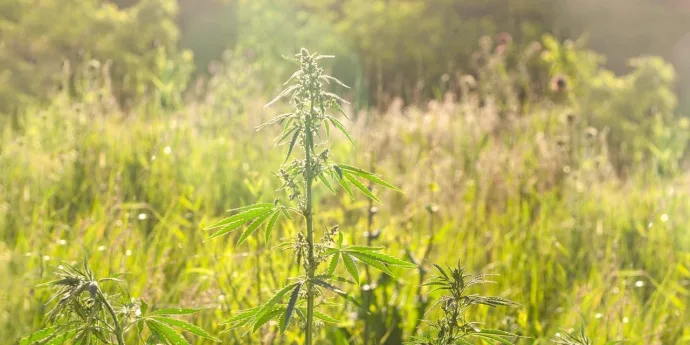
Alongside genuine ruderalis, there’s plenty of so-called feral cannabis around the world: escaped cannabis growing without human involvement. At first glance, it often resembles ruderalis: short stands along roadsides, on wasteland, and in abandoned fields. But its origins differ. Feral cannabis descends from cultivated cannabis that “escaped” from fields and grew independently for several generations, gradually losing selected traits. Such plants become shorter, form more modest flowers, and often deteriorate toward something close to a wild form.
The boundary between feral cannabis and ruderalis is blurred. Any uncultivated cannabis is formally considered ruderal, or weedy. In the cannabis community, however, “ruderalis” usually means a natural autoflowering population that developed under extreme conditions, for example in Siberia or Central Asia. Feral cannabis more often descends from sativa or industrial varieties and may acquire some ruderal traits, while remaining genetically closer to its cultivated ancestors. If industrial hemp was grown in a region for a long time and a field was abandoned, a few years later it will contain feral cannabis: shorter and more “wild” in form. But it doesn’t always become autoflowering—only if the corresponding mutation was already present in the original population. Feral plants usually flower in response to the photoperiod, just very early, as soon as the days shorten.
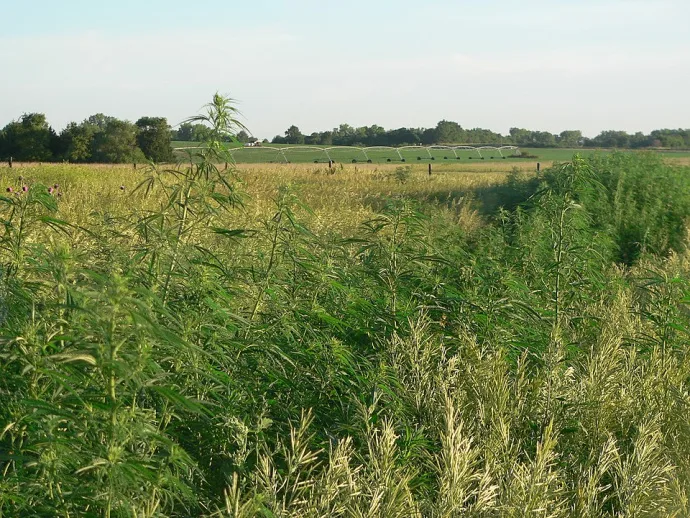
Feral cannabis geography is connected with places where hemp was actively cultivated in the past. In Eastern Europe—Ukraine, Belarus, and the Baltic states—there are still numerous stands of “wild” cannabis left from Soviet times. Locals often consider it a “local strain,” although it actually descends from industrial crops. North America’s ditch weed phenomenon—large stands of wild cannabis along Midwestern roads and canals—is another example of feral cannabis, descended from wartime industrial crops. This wild cannabis is sometimes called Cannabis ruderalis, but it’s actually closer to European sativa. Some populations flower very early, but ditch weed generally isn’t fully autoflowering: it’s simply a quick photoperiod response.
Feral cannabis is therefore a general term for any escaped cannabis, while “genuine” ruderalis means a natural autoflowering form that emerged and became established without human involvement. Distinguishing them in the field is difficult: often only genetics and knowledge of the population’s history can provide an answer. In the broad sense, both feral plants and ruderalis belong to the concept of ruderal cannabis populations: “weeds” adapted to life without humans.
In 2021, Guangpeng Ren and colleagues compared the genomes of a broad set of cultivated and independently growing samples. All of the non-cultivated plants they studied turned out to descend from feral cultivated forms. The authors allow that the original wild ancestors disappeared and say that more material needs to be collected. Ren and colleagues, 2021
Where ruderalis came from: feral-origin theory versus a separate species
The key question for botanists and growers is whether ruderalis is a wild line that existed alongside cultivated strains or a descendant of domesticated cannabis that became feral again. In other words, was ruderalis always “wild,” or did it escape human control after a single domestication event?
Science has no unanimous answer. Historically, two main schools developed:
1. The variation concept: one species
Supporters of this theory (for example, Serebryakova, 1940) consider all modern forms of cannabis to be variations of a single species, Cannabis sativa. In this system, ruderalis is treated as a subspecies (C. sativa subsp. spontanea), that is, a feral form descended from cultivated cannabis. The Latin “spontanea” says it directly: “growing spontaneously.” By this logic, wild populations in Siberia, Europe, and the Americas are the result of feralization: once-domesticated varieties escaped “into the wild,” adapted, and changed a number of traits, while retaining the ability to interbreed with other subspecies.
The high crossability of all forms—sativa, indica, and ruderalis—and hybrid fertility support a common origin. Modern genetic research confirms this: there is no clear boundary between sativa, indica, and ruderalis. The difference in “economic purpose” is much more important: populations divide into two large genetic cohorts, “fiber/seed” types—industrial hemp and feral cannabis—and “resinous” drug types. Ruderalis is usually closer to the first group than to “resinous” strains in both chemical profile and DNA. DNA analyses of hundreds of samples from different countries show that wild plants from Russia and the US are often genetically very close to cultivated industrial varieties. This supports the hypothesis of secondary feralization: ruderalis as an “emigrant from cultivation.”
2. The polytypic concept: multiple species
The second school recognizes several independent cannabis species, including C. ruderalis Janisch. In this model, ruderalis is the original “wild” pool from which sativa and indica later descended: instead of “cultivation → feralization,” the sequence is “wild → cultivation.” This school draws on the work of Vavilov, who considered Central Asia the center of origin of cannabis. Vavilov himself, however, did not treat ruderalis as a third species: according to Small and Cronquist, he assigned these wild-growing forms to var. spontanea. Another argument of this school is cannabis pollen in early Holocene deposits: cannabis grew in Eastern Europe and Asia long before agriculture.
The modern compromise
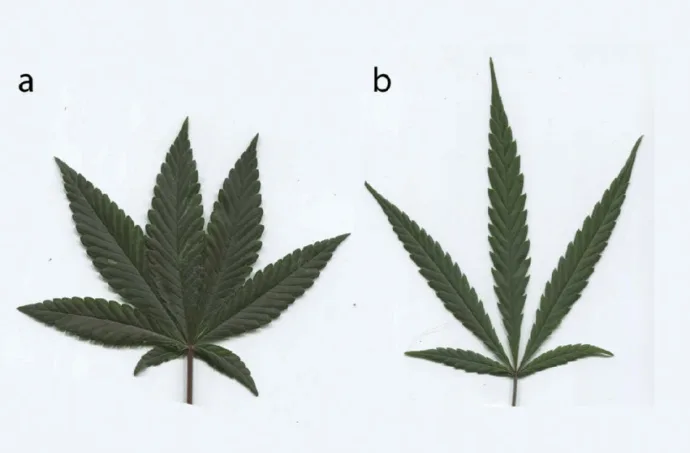
Today, ruderalis usually means a collection of wild and semiwild cannabis populations that acquired adaptations to living without humans: autoflowering, early maturity, short stature, and hardiness. The genetic mosaic is therefore extensive: autoflowering populations from China, Mongolia, Russia, and Europe may differ in allele details but show similar ruderal traits. In breeding, ruderalis mainly refers to a set of genes: the gene pool for autoflowering, early maturity, and hardiness on which modern autoflowers were built. The question of whether the first ancestor was cultivated or genuinely wild remains open.
The modern distribution of ruderalis
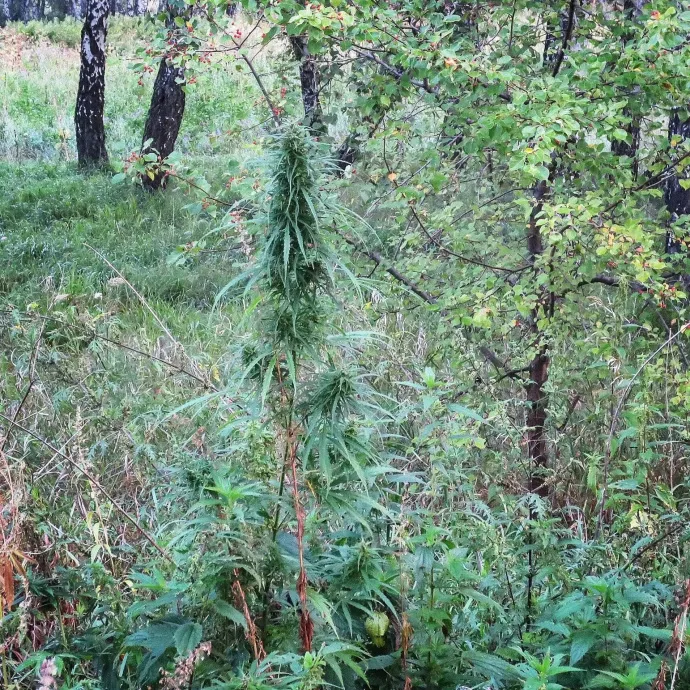
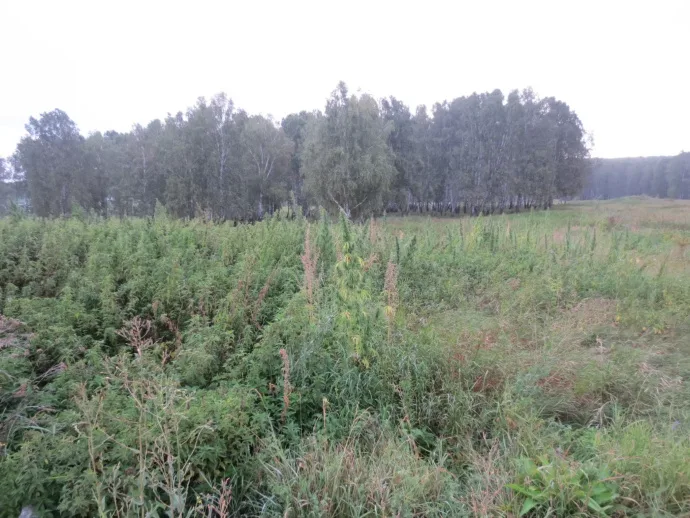
Wild cannabis’s original habitats are Central and Eastern Europe, southern Russia, Kazakhstan, Mongolia, the Altai, and all of Central Asia. Botanists record large concentrations of wild cannabis in the steppe and forest-steppe zones of Ukraine, European Russia, and northern Kazakhstan. Rudy likes disturbed soil along roadsides, in dumps, fields, and ditches, and often grows near housing: a “camp follower,” a plant that follows the camp. A study of American feral and domesticated lines, published in the journal G3, found evidence of local adaptation and differences in population structure. Genome-wide polymorphism and genic selection in feral and domesticated lineages of Cannabis sativa
From ruderalis to autoflowering hybrids

Having been on the edge of human attention, ruderalis returned to the center of breeding interest in the twenty-first century. Its unique ability to autoflower became a real find for modern breeders seeking to develop cannabis that could be grown under a wide range of conditions.
How ruderalis entered global breeding
The first attempts to use ruderalis in breeding began in the 1970s and 1980s. Ruderalis was almost unknown in the West at the time, information about it came mainly from Soviet studies, and enthusiasts began bringing in seeds of wild-growing hemp from Russia and Eastern Europe to cross with other strains. The hybrids of those years flowered unreliably, but this was when ruderal genes began entering Western genetics. Industrial hemp programs ran in parallel: in its own historical account, Finland’s FINOLA dates the creation of the variety under the code FIN-314 to 1995. FINOLA’s historical account
The Lowryder revolution
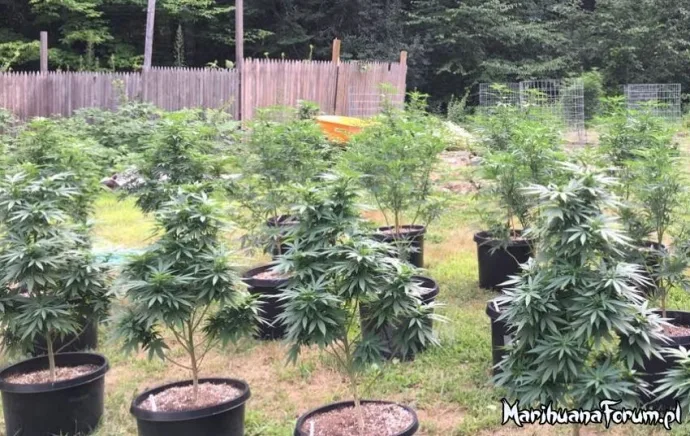
The real breakthrough came from breeder The Joint Doctor (Sasha Przytyk, Canada). An acquaintance named Antonio gave him seeds of a small cannabis plant called Mexican Rudy. In an interview reprinted on ICMag on October 23, 2010, Joint Doctor himself says the line’s origins are unclear. Its connection to Russian ruderalis and old experiments in Mississippi he calls his own hypothesis. Other original names mentioned include Northern Lights #2 and William’s Wonder; an early working name for what would become Lowryder was Willy’s Automatic. After several generations of selection, these lines produced the stable autoflowering Lowryder. Joint Doctor’s early account
In a Fast Buds Talks interview published on May 1, 2024, Sasha dates Lowryder’s first release to 2003. It was a miniature plant, up to 40 cm tall, that began flowering 3 weeks after germination and fully matured in 8 weeks. The 2000s brought Lowryder #2, Diesel Ryder, and numerous “Ryder” hybrids, which took autoflowers into the mass market. Joint Doctor interview
How modern autoflowers work
Since the 2010s, autoflowering hybrids have been improving rapidly. Generation after generation, breeders cross autoflowers with photoperiod strains such as Skunk, Kush, and Haze and select the autoflowering offspring. The share of “wild” genetics shrinks, while the desired allele becomes fixed. Autoflowering can now be discussed in terms of specific genomic regions, but a variety’s name does not show which mechanism is at work in it.
A weed on the roadside of history
Ruderalis was long considered “a weed on the roadside of history.” Today, autoflower breeding around the world rests on its genes: autoflowers grow in the north with its short summers and have become a standard tool for breeders. The humble Siberian “weed” has become a resource without which modern cannabis culture is hard to imagine.
Sources: publicly available publications about the company and the strain.