
In recent years, cannabis genetics has drawn enormous interest from the community, especially with legalization in many countries and permission to use cannabis for medical purposes. Researchers are studying which genes are responsible for specific properties so they can develop strains with high concentrations of particular cannabinoids or distinctive flavors and aromas. Let’s take it step by step.

My job as a writer is to make this subject clear and interesting for you, so you can easily take in the information and expand your knowledge of cannabis. In this article, we’ll explore taxonomy and understand why breeders and botanists put so much effort into developing new strains.
What exactly are you?
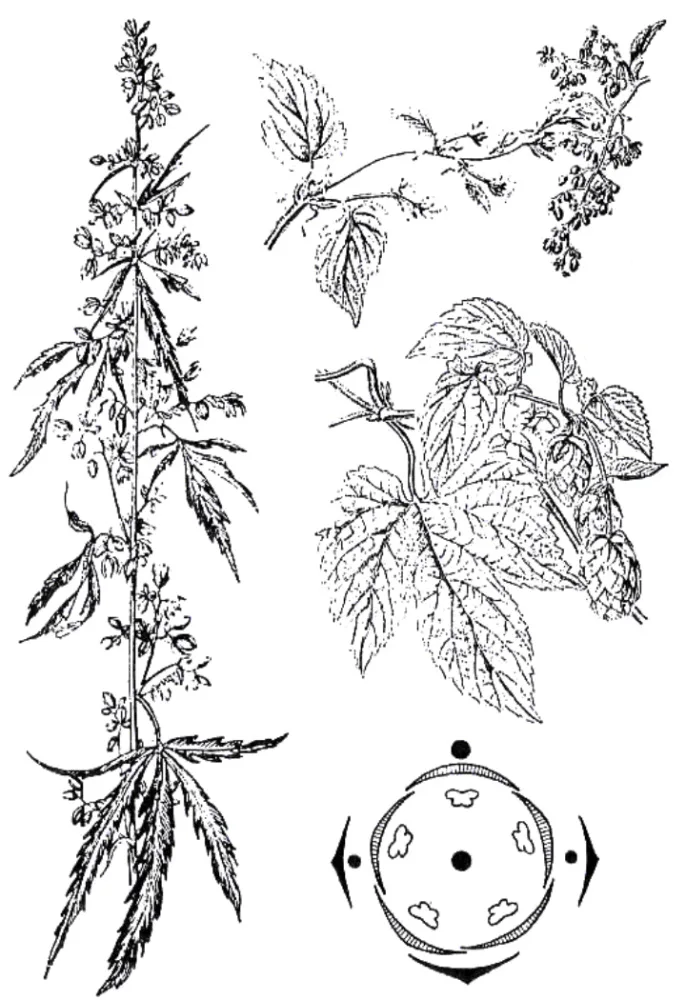
The hemp family, also known as the cannabis family (Cannabaceae), is a family of plants. It is a diverse group that includes cannabis (Cannabis) and hops (Humulus), along with other genera such as Aphananthe, Gironniera, Lozanella, and Pteroceltis, which also belong to the hemp family. Each has its own unique characteristics and plays a particular role in different fields, from the food industry to pharmacology.
The main characteristic of the hemp family is the presence of distinctive chemical compounds called cannabinoids. The best-known cannabinoids are delta-9-tetrahydrocannabinol (THC) and cannabidiol (CBD), which have different properties.
Plants in the hemp family have many uses across different fields. For example, hemp is used to produce textiles, food products, building materials, and medicines. Hops, another member of the family, play an important role in brewing and are used to make different types of beer.
Studying the different species and genera in the hemp family helps us better understand their biology, chemical composition, and potential uses.
The three pillars
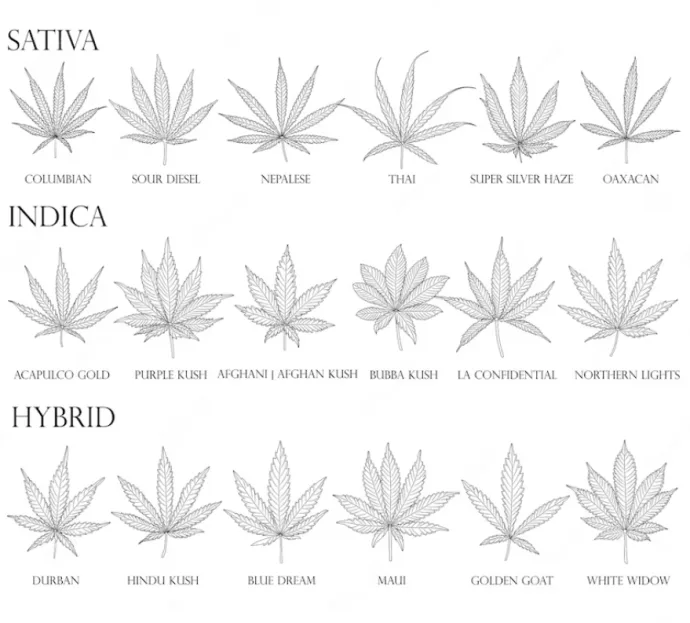
Now I’ll tell you more about the three main species of cannabis: Cannabis sativa, Cannabis indica, and Cannabis ruderalis.
The genus Cannabis remains one of the best-known and most extensively studied in the hemp family. Cannabis species such as Cannabis sativa, Cannabis indica, and Cannabis ruderalis have different morphological and chemical properties.
Cannabis sativa
This species of cannabis is known for its tall, slender plants. They have long, narrow leaves and an elongated shape. Sativa strains usually grow in warm climates and have a long growth cycle. This species can contain high levels of THC.
Cannabis indica
This is another species of cannabis, distinguished from sativa by its short, compact plants. Indica leaves are wider and thicker. These plants grow better in cooler climates and have a shorter cycle.
Cannabis ruderalis
This is the third species of cannabis, distinguished from sativa and indica by its ability to A plant that starts flowering independently of the length of the day. autoflower ↗. This means that ruderalis plants begin flowering regardless of day length. They are usually short and have broad leaves.
Ruderalis is not as widespread or as extensively used for recreational or medical purposes as sativa and indica. However, its autoflowering properties make it popular with breeders because it can be used to create hybrids with autoflowering traits.
Breeders use the genetics of these three cannabis species to develop new strains with desired characteristics, such as growth, yield, particular cannabinoid or terpene levels, and so on.
Stirred, not shaken
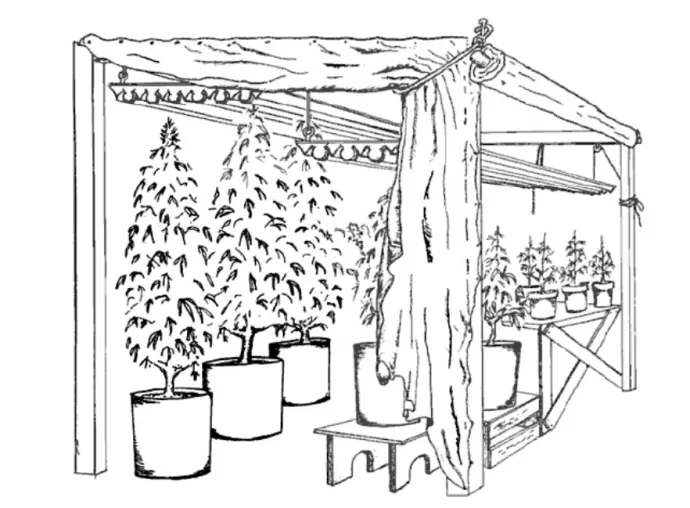
Cannabis is an amazing plant with a wide variety of strains, ranging from pure indica, sativa, or ruderalis to numerous combinations in different proportions. Each strain has its own unique characteristics, including aroma, flavor, and its cannabinoid, terpene, and flavonoid content.
I think it’s time to learn and remember two terms: The observable traits of a plant, such as its height, leaf shape or colour. phenotype ↗ and genotype.
Phenotype means a plant’s observable characteristics, such as its height, leaf shape, and the color and texture of its flowers. Some strains can be more compact and suitable for cultivation inside buildings, while others can develop into large, tall plants out in the open.
Genotype means the set of genes and genetic information found inside every cell of an organism. It determines the organism’s inherited properties and developmental potential. Genes are like instructions contained in DNA that determine an organism’s various characteristics and functions. Genotype plays an important role in shaping phenotype—the organism’s external and internal features that we can observe.
One of the key factors behind differences between strains is their genetic characteristics. Genetics determines which cannabinoids and terpenes will predominate in a particular strain.
Cannabis strains also have a wide variety of aromas and flavors. These can be fruity, citrusy, spicy, woody, and many others. These aromas and flavors come from the different terpenes, which are aromatic compounds present in the plant.
Modern cannabis classification also often uses the terms “chemovars” and “chemotypes” to better understand its diversity and characteristics.
Chemotype is based on the percentage of cannabinoids such as THC and CBD, as well as the presence of different terpenes responsible for aroma and flavor. The most common chemotypes are chemotype 1, with high THC content; chemotype 2, with a more balanced ratio of THC to CBD; and chemotype 3, with high CBD content.
Chemovar is a classification of cannabis based on more precise cannabinoid and specific terpene content. Scientists currently have no general agreement on which particular cannabinoids and terpenes should be taken into account when classifying products by chemovar.
Overall, classifying cannabis strains and types provides a broad choice, allowing consumers to choose a product that matches their preferences and needs.
Build your collection
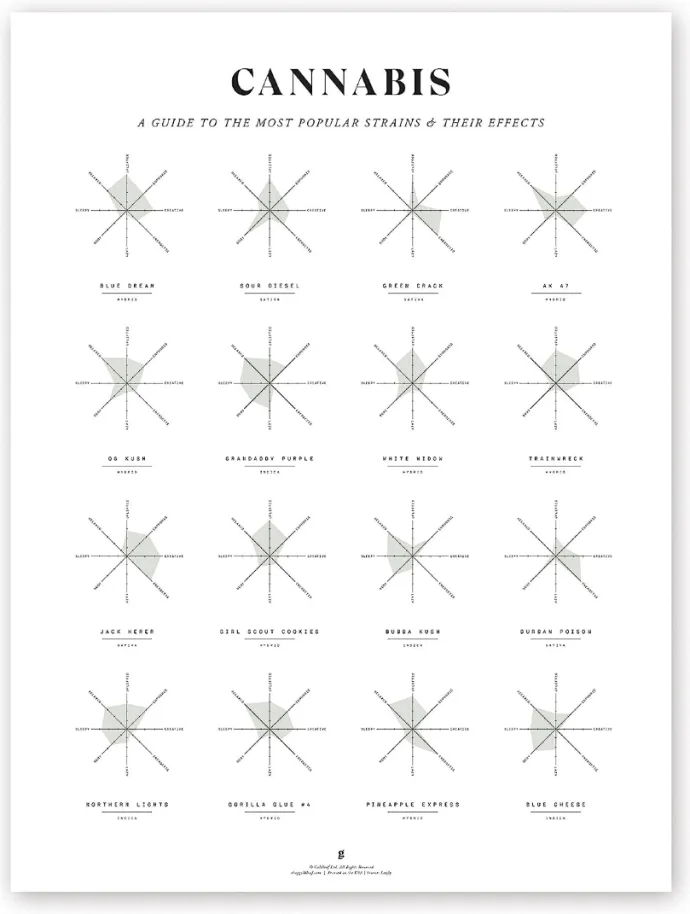
Genetic diversity plays an extremely important role in the world of cannabis. It encompasses the range of genetic characteristics and variations present in different cannabis strains. This gives cannabis plants resilience and adaptability to the different conditions and challenges they encounter.
The importance of genetic diversity comes down to several key aspects:
- Adaptation to the environment: Each cannabis genetic line has characteristics that allow the plant to adapt to different climates, soil compositions, and other environmental factors. An abundance of genetic lines makes it possible to select and breed strains best suited to particular regions or conditions.
- Resistance to diseases and pests: Genetic diversity helps develop plants with different defense mechanisms against diseases and pests. When strains have different genetic characteristics, they may be less susceptible to certain pests or diseases, contributing to the overall resilience and health of the cannabis population.
- Research and breeding: Genetic diversity gives researchers and breeders a broad foundation to work with. The more different genetic lines there are, the more opportunities there are to study and understand different genetic mechanisms and develop new hybrid strains with desirable traits.
Overall, an abundance of genetic variation is a cornerstone of preserving and developing cannabis. It provides resilience, adaptability, and strain variations that can meet every user’s needs.
Save it!
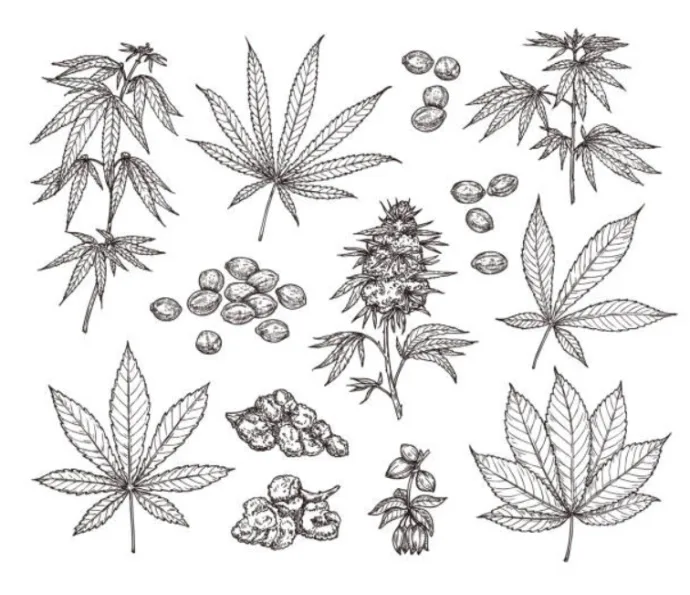
Preserving cannabis genetics is critically important for ensuring the long-term resilience and diversity of the plant’s strains. Each strain has its own unique characteristics and properties that can be useful for different purposes, whether medical applications, recreational use, or breeding work.
There is a whole community of people actively involved in preserving cannabis genetics. First, let’s briefly get acquainted with two terms: “seedbank” and “breeder.”
A seedbank is a company that preserves and sells seeds of different cannabis strains. Seedbanks maintain collections of genetic material gathered from different cannabis plants.
In the context of cannabis, a breeder is someone who selects and breeds new cannabis strains. They are a kind of plant genetic engineer. A breeder may work independently, breeding as a hobby, or work with one or more seedbanks.
Seedbanks collect seeds from different cannabis strains and store them under special conditions to ensure their long-term preservation. This may include controlling temperature, humidity, and other factors that help keep seeds viable over a long period. These companies play an important role in preserving cannabis and making it accessible by offering a broad selection of seeds for cultivation and breeding new plant strains. They give farmers, breeders, and cannabis enthusiasts access to diverse genetic material, helping develop and improve cannabis cultivation.
Through their breeders, these companies actively select and breed new cannabis genetic lines. They cross and hybridize strains to create new and unique combinations of properties and characteristics. This work expands cannabis genetic diversity and develops strains that meet consumers’ different needs and preferences.
These guys play an important role in preserving and promoting cannabis genetic diversity. Their work helps preserve and protect unique strains from disappearing, while also providing access to diverse genetic resources for future breeding and research.
The takeaway
So, man, we’ve finished our first article in the Genetics Made Clear series. I hope it has helped you expand your knowledge of different cannabis species and strains and understand why preserving genetic diversity is a key part of developing this plant.