Yo, man, you’re back! Remember how last time we explored the taxonomy of our favorite plant, learned about different cannabis species and strains, and talked about preserving genetic diversity?
Today, I suggest we go deeper and find out how genetics is preserved and spread. Here’s the plan: the characteristics of landraces, heirloom strains, and A plant that starts flowering independently of the length of the day. autoflowers ↗, plus a little about hybridization and Feminized seeds are produced to give female plants. feminization ↗.
A phenohunter’s passion
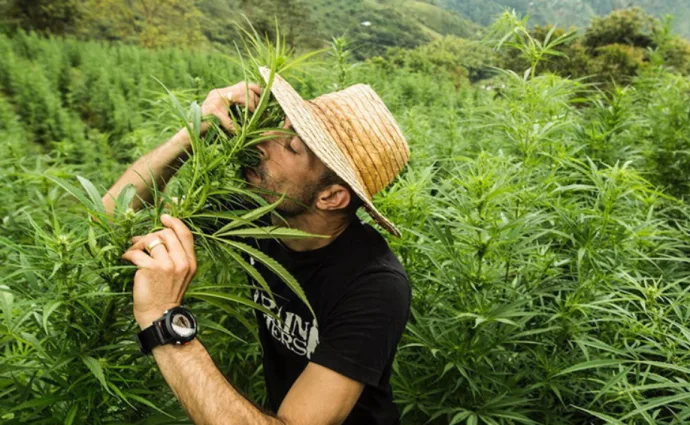
Let’s start with the basics. Landraces are the original genetics behind modern hybrids: special cannabis strains that grow wild in their historical habitats without human intervention. These strains usually occur in different parts of the world, such as Afghanistan, India, South Africa, and elsewhere. Their name comes from the English term “landrace,” meaning a local strain or local lineage.
Local strains have unique characteristics that developed through natural selection and adaptation to the particular climate of the area where they grow.
Here are a few examples of well-known landraces and their cool characteristics:
- Afghani (Afghanistan): This strain from Afghanistan is known for its strong resistance to adverse conditions and low temperatures. It has dense, resinous flowers containing high cannabinoid levels.
- Durban Poison (Africa): It comes from South Africa, around the city of Durban. This strain is characterized by high yields and resistance to parasites and diseases.
- Hindu Kush (Afghanistan, Pakistan): It is known for its strong aroma and distinctive flavor.
- Colombian Gold (Colombia): It grows in Colombia and is known for its high THC content and sweet aroma.
These strains can have different flavors, aromas, and structures that have been lost in the pursuit of particular traits in modern hybrids, and many are valuable sources of genetic diversity. That’s why forward-thinking plant breeders often take an interest in landraces to diversify their plants’ gene pool and improve the characteristics of new strains.
Family values
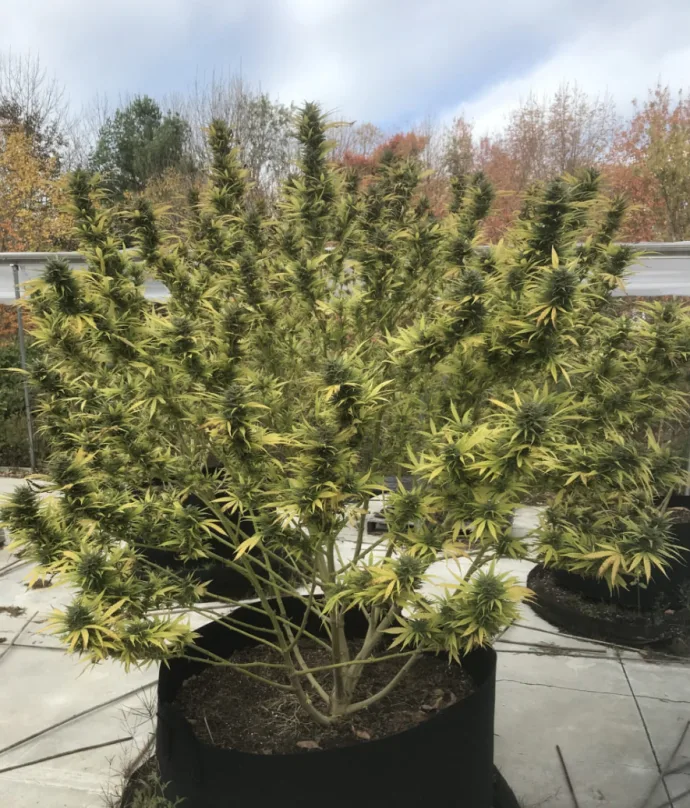
Heirloom cannabis strains are special strains with a long history and traditional origins. They are also known as “family lines” because they have been preserved and passed down from generation to generation over a long period.
These strains grew wild or were cultivated in their original form without major changes or crosses with other strains. This preserves the unique genetic characteristics and traits that have become part of their heritage.
Heirlooms are usually characterized by particular aromas and flavors that can be distinctive and recognizable. They often bring a sense of nostalgia to users who appreciate classic cannabis strains.
However, bro, it’s worth pointing out that heirloom strains can be less stable and less resistant to parasites and diseases than modern hybrids. But it’s precisely their unique character and history that make them so valuable to breeders.
Here are a few examples of heirloom strains. Their properties can vary depending on the The observable traits of a plant, such as its height, leaf shape or colour. phenotype ↗ and growing conditions:
- Panama Red: This strain became popular in the 1960s–1970s. It comes from Panama and is famous for the bright red color of the hairs on its buds.
- Acapulco Gold: Originally from Mexico, this strain has a distinctive aroma reminiscent of earth and caramel.
- Malawi Gold: This strain from Malawi is known for its enormous flowers and high THC content.
Ultimately, cannabis family lines are a unique legacy of the past that continues to inspire and delight users today.

Autoflowering strains are a special type of cannabis that automatically enters the flowering phase regardless of day length. This happens because of their unique genetics, which include genes from Ruderalis, a wild type of cannabis found in certain regions with little light.
One of the main reasons growers choose autoflowers is their quick life cycle. They usually finish growing and flowering within 8–10 weeks of sprouting, making them an ideal choice if you want a quick harvest.
Commercial autoflowers were developed relatively recently in the history of cannabis culture. An important milestone was the work of Canadian breeder Sasha, aka “Joint Doctor,” who introduced ruderalis genes into commercial strains in the 1990s, creating autoflowering hybrids.
Sasha’s Lowryder is considered the first successful commercial autoflowering strain. It became popular in the early 2000s thanks to its quick cycle and dense, aromatic buds. In 2010, Lowryder #2 was included in High Times magazine’s top 10 Canadian strains. In the following years, breeders continued improving autoflowers, developing new strains with a variety of characteristics and flavors.
Build your own
Hybridization is the process of crossing two different cannabis strains to create a new plant that combines the best characteristics of both parent strains. The process is carried out with the help of specialists who aim to develop unique hybrid strains with desired properties.
During hybridization, breeders choose two parent plants with desired characteristics, such as high levels of particular cannabinoids—for example, THC, CBD, THCV, and so on—or distinctive aromas or flavors.
Once the parents have been chosen, pollination takes place: a process in which male plants of one parent strain transfer their genetic material through their anthers to the flowers of female plants of the other parent strain. After pollination, the plants produce seeds containing genetic information from both parents.
Seeds produced through hybridization can express a variety of characteristics and traits. Some plants will resemble one parent more closely, while others will have a mixture of characteristics. This depends on the genotype and the combination of A trait that can be inherited without being expressed in a cross. Autoflowering is an example in the Lowryder story. recessive ↗ and dominant traits. Breeders then carry out further selective breeding to isolate the desired properties and create stable hybrid strains.
I think you’re already pretty familiar with hybrids, but to refresh your memory, here are a few well-known examples:
- OG Kush: It is thought to have originated from crossing Lemon Thai x Paki Kush with Chemdawg. OG Kush is famous for its distinctive aroma with notes of pine and citrus.
- Girl Scout Cookies (GSC): GSC is thought to have come from a cross between Durban Poison and OG Kush. GSC has a sweet aroma and pleasant flavor.
- Sour Diesel: It is known for its intense diesel aroma. Sour Diesel is thought to come from crossing Chemdawg with Super Skunk and Northern Lights.
Cannabis hybridization is a fascinating, creative process, and each new hybrid strain can offer its own characteristics and benefits to users, making this field of research an important part of cannabis culture.
Fem Power
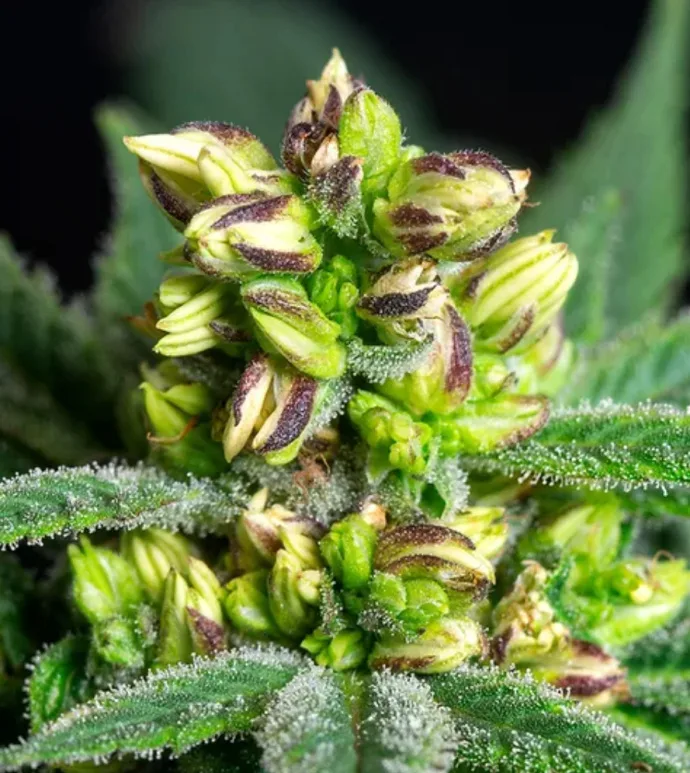
In nature, cannabis plants have roughly a 50% chance of being either female or male. Males don’t produce the cannabinoid-containing flowers we’re after, and their presence can negatively affect harvest quality, since not many people like seeds popping in their bong.
This is where feminization comes to the rescue: an amazing process for producing only female cannabis plants. Unlike growing Regular seeds can produce both male and female plants. regular seeds ↗, which can produce both female and male plants, feminized seeds are intended to produce exclusively female plants.
Feminization can be achieved through different methods, but the most common involve chemical treatment with silver solutions—silver thiosulfate or colloidal silver. Silver particles can block the action of a particular plant hormone called “ethylene,” which is responsible for the development of the plant’s sexual characteristics.
The whole process involves crossing two female plants. While the plants are still in early flowering, the breeder begins treating a female plant or part of it with a silver solution to make it produce male reproductive organs, or anthers. Pollen from the “reversed” parent is then taken and applied to the future mother. The offspring from this cross will not produce male plants.
Feminized versions of strains allow growers to obtain a consistent harvest of female plants, simplifying cultivation and improving the quality of the final product. This method has become an important tool for growers seeking optimal results when growing buds.
The takeaway
In this installment of the series, we explored several interesting and important aspects of cannabis culture related to different cannabis strains. We looked at landraces and heirloom strains and talked about cannabis genetics, hybridization, and feminization. I think this will help you better understand how those top genetics you’ve set aside for your next cycle came into being.
And all of this, bro, is a unique part of history that enriches our culture and helps us better understand and appreciate this amazing plant. Stay open to the world of cannabis, and remember that a unique experience awaits you on this amazing journey!