
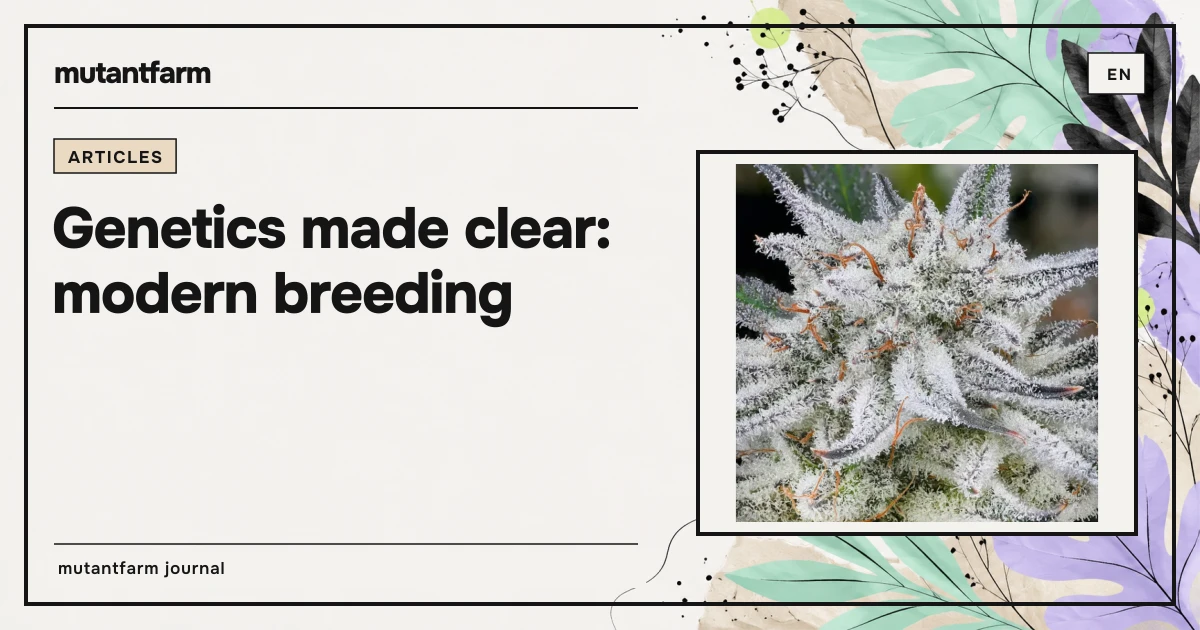
Hey, bro! Today, we’re talking about modern genetics. As you already know from my article series, cannabis is a culture of its own, with its nuances and impressive possibilities. And breeding plays a huge role in that process.
Breeders around the world develop new strains for different purposes. However, there are significant differences between regions. Cannabis seeds are legal in most European Union (EU) countries. Even in countries with laws against cannabis seeds, they remain readily accessible thanks to the Schengen Agreement. Specialized, fully legal seedbanks, most of them based in Spain, have been developing new strains for more than 30 years.
In the US, most strains have illegal origins and are mainly selected by private breeders or medical groups seeking to preserve their genetics. European producers can use Feminized seeds are produced to give female plants. feminized ↗ or even A plant that starts flowering independently of the length of the day. autoflowering ↗ feminized strains. In US states where cannabis is legal, most plants are grown from clones, and seedbanks are less common. Where ganja is still prohibited, clones and pollen are exchanged privately to produce small batches of people’s own illegal seeds and/or select new strains.
This culture of “underground breeding” is rarely found among Europeans. In the EU, many growers work with feminized strains, freeing them from the need to maintain separate areas for mothers and clones. Only large farms or ambitious gardeners grow mother plants from Regular seeds can produce both male and female plants. regular seeds ↗ to fill their spaces with clones. Most of the final product in Europe is produced from feminized seeds.
Let’s go deeper and take a trip through the regions. First stop: the land of evergreen Franklins and fat, frosty buds.
The United States of Ganja
Despite everything, American cannabis genetics stands out for its diversity and innovative approach. In recent decades, relaxed legislation has given these guys tremendous breeding opportunities. That’s why their creations have achieved high levels of particular cannabinoids and carefully selected terpene profiles for people who especially appreciate aroma and flavor.
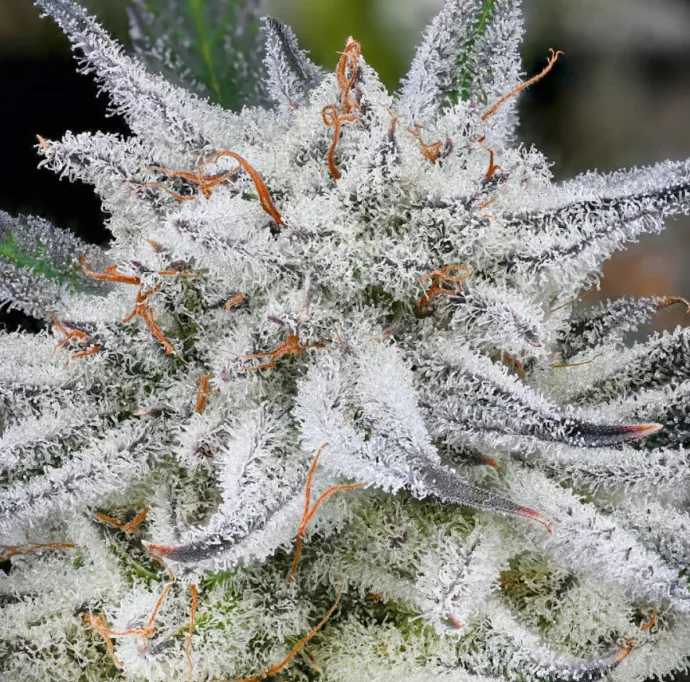
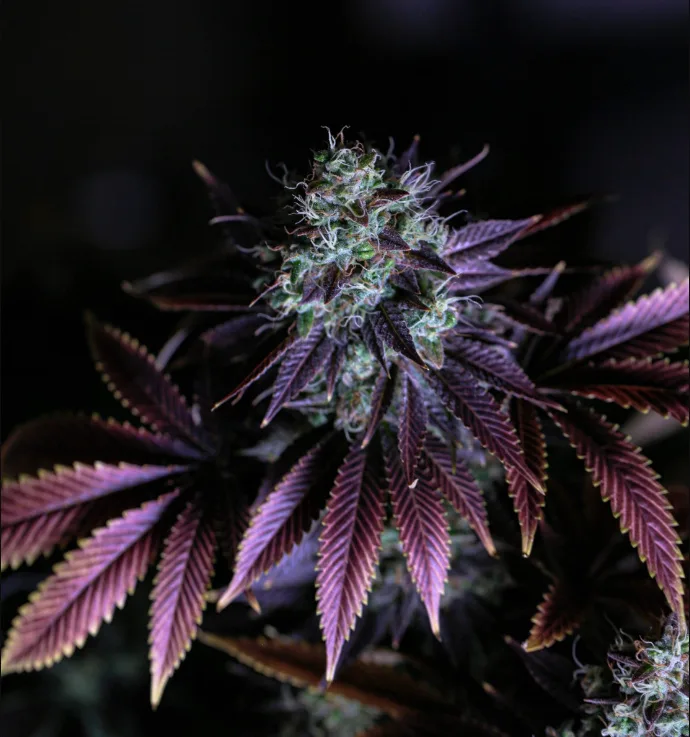
Still, the main difference in modern American cannabis genetics lies in its goals and the way it develops and adapts. A typical US breeder’s objective isn’t to sell as many predictably growing plants as possible, but to create and find the rarest, most exotic, and most unique The observable traits of a plant, such as its height, leaf shape or colour. phenotypes ↗. To some extent, it’s artisanal production, mainly of regular seeds, where stability and uniformity matter less than a unique smell, unusual coloring, or an extraordinary abundance of trichomes. Even yield takes a back seat.
Market leaders
However, some brands focus specifically on developing stable, uniform strains in feminized and autoflowering versions. I’ll throw out a few names to give you an idea of the level we’re talking about, then we’ll move on:
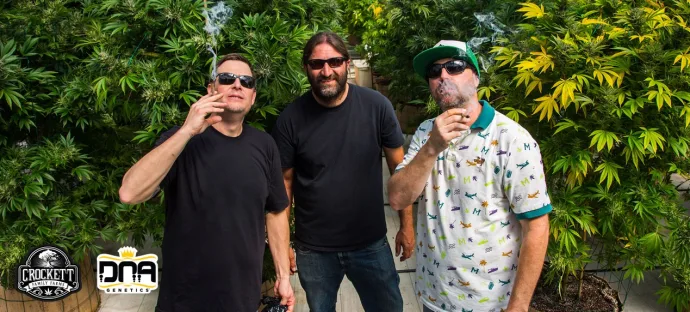
DNA Genetics is a company founded in the 1990s by two California farmers, Don Morris and Aaron Yarkoni (DnA). In 2004, the guys moved to Amsterdam and officially opened for business. Some of their best-known strains are LA Confidential, Chocolope, Kushberry, and Lemon Skunk.
Rare Dankness is a Colorado brand founded by Scott “Moonshine” Reach in 2011. One of its popular strains is Ghost Train Haze, which has won several awards at different competitions.
Cookies Family was founded in 2012 by hip-hop figure Berner and his partner Jigga (Jai Chang), an experienced producer and breeder from the Bay Area. Their best-known strain is Girl Scout Cookies (GSC), which became enormously popular thanks to its complex flavor.
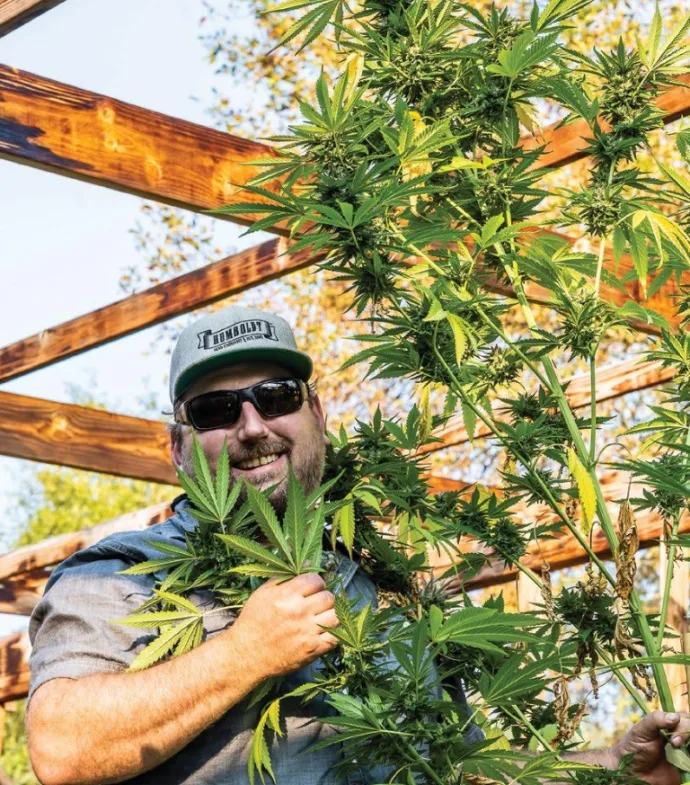
Humboldt Seed Company is a family seed-production business. Nathaniel Pennington founded it in 2001 in one of the best-known cannabis-growing regions in the US: the Emerald Triangle, specifically Humboldt County in Northern California. Some of the brand’s most popular strains are Blueberry Muffin, Vanilla Frosting, and Magic Melon. The guys have also recently entered the European market.
It’s hard not to mention a few more strong breeders whose names ring out as proudly as the national anthem: Compound Genetics, LIT farms, Inhouse genetics, Capulator, and Seed Junky. But these guys are focused on finding diamonds in their work.
Recent delights
And of course, man, let’s look at some tasty projects from the past few years. Incidentally, each has also made its way into European lineups, which we’ll talk about next:
Let’s start with Gelato from Cookie Fam Genetics, a hybrid of Sunset Sherbet and Thin Mint GSC. It has a sweet, fruity aroma with notes of lavender, citrus, and birch.
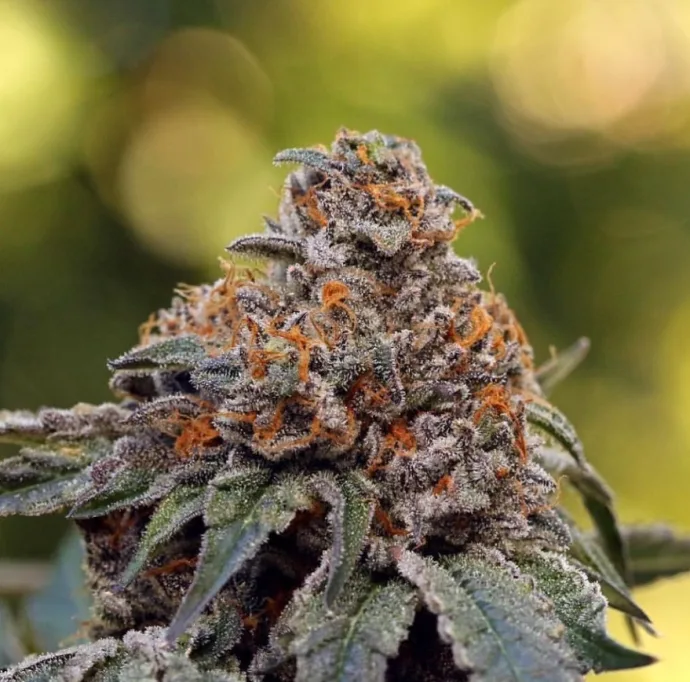
Next into the collection comes Zkittlez, a project from 3rd Gen Family and Terp Hogz, also known for its fruity flavor and aroma reminiscent of Skittles candy. By the way, the name got the guys into trouble with the maker of Skittles, and they had to rename the strain The Original Z to avoid litigation.
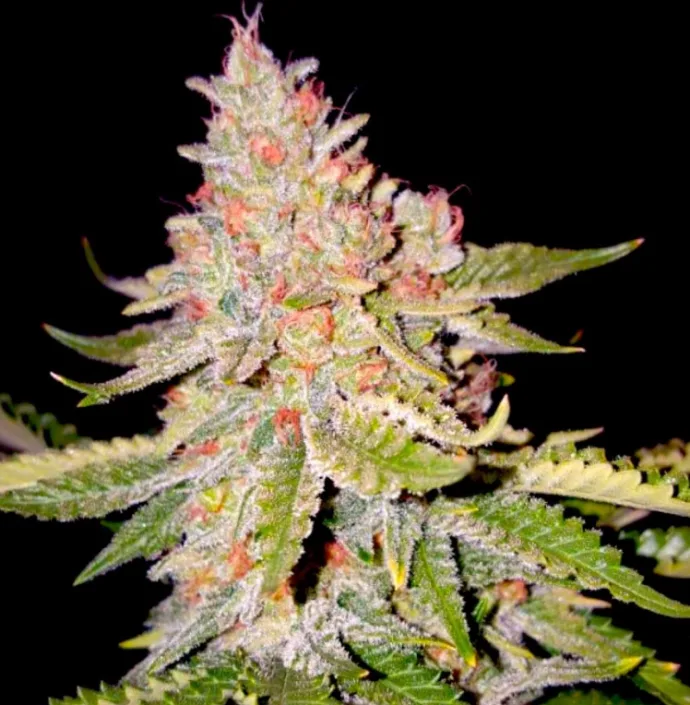
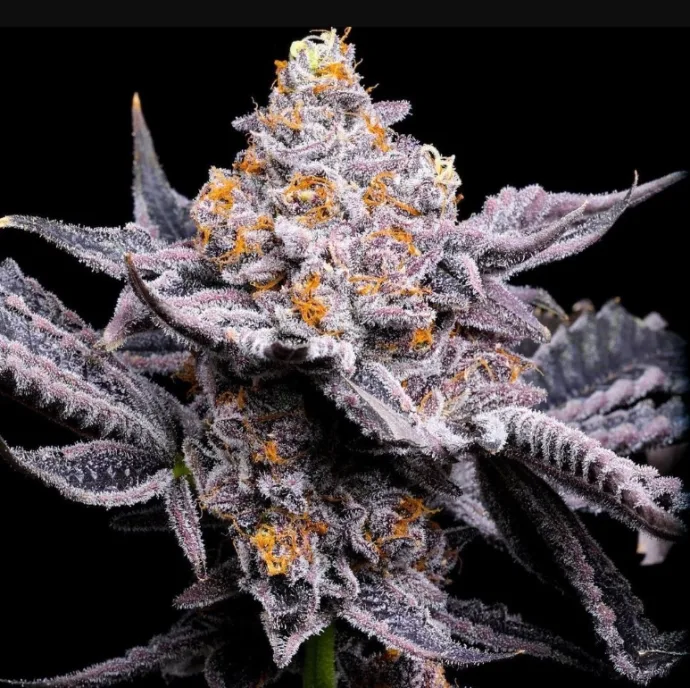
Let’s not overlook Wedding Cake, developed by Seed Junky Genetics, which combines Triangle Kush and Animal Mints genetics. This strain has a sweet, vanilla flavor reminiscent of cake.
Europe grows greener
The cannabis genetics market began developing rapidly in Europe during the 1980s and 1990s. The first seedbanks began appearing then, mainly in the Netherlands. Their founders collected different strains from around the world, including Asia, Africa, and Central America, and crossed them to create new, unique hybrids.
The Netherlands became a kind of “Mecca” for cannabis enthusiasts thanks to its liberal legislation. Other European countries soon began following the Netherlands, and the market started developing rapidly across Europe. Breeders from different countries worked together, sharing seeds and experience, which helped genetics develop further.
As you’ve gathered, European genetics differs from American genetics in its stability and predictability. In the EU, especially in countries with relatively liberal cannabis laws, methods and standards have been developed that allow strains to achieve a high degree of stability.
There are many seedbanks on the market that develop, breed, and sell genetics. Let’s take a look at the successful giants. I think you’re familiar with most of them, but let’s refresh our memories with a few facts about the brands and important names:
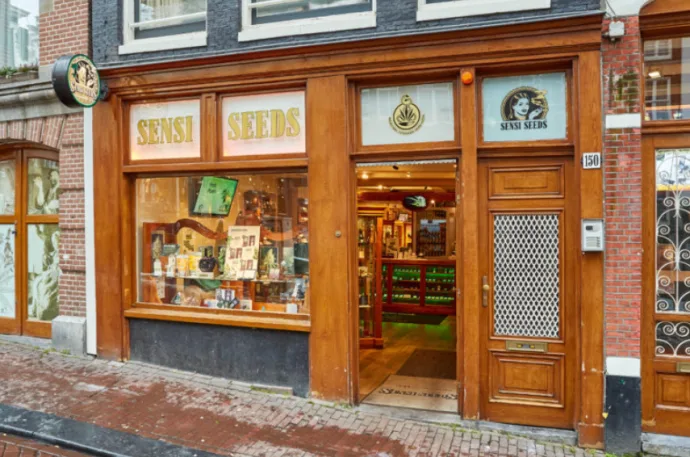
Sensi Seeds (Netherlands) is one of Europe’s oldest and most respected seedbanks, founded in 1985 by passionate landrace hunter Ben Dronkers. The Seed Bank later joined it, having been founded by one of the first successful breeders, Neville Schoenmaker. You surely know the strain bearing the great name Jack Herer and the killer Hash Plant—those are their creations.

Dutch Passion (Netherlands) is another old-school company, officially founded by Henk van Dalen in 1987. Its Durban Poison, Frisian Dew, Hollands Hope, and Passion #1 became the foundation for many modern outdoor strains.
Barney’s Farm (Netherlands) has been supplying growers around the world with unique, high-quality cannabis seeds since 1986. Derry Brett is the driving force behind the brand. Some of its most popular strains are Critical Kush and LSD.
Green House Seeds (Netherlands) is one of the largest seed producers, founded in 1994. Arjan Roskam, the “King of Cannabis,” and legendary phenohunter Franco Loja put in serious work to take their seedbank to a global level. Its enduring headliners are Himalaya Gold, Arjan’s Haze #1, and Franco’s Lemon Cheese.
Royal Queen Seeds (Spain) is a younger outfit, a seedbank dating to 2007. Despite starting 20 years behind their peers, the Royals quickly reached a leading market position. Unfortunately, little information is available about the brand’s creator, Boy Ramsahai. But the seedbank boasts a broad lineup and a new Fast The first generation from a cross between two parents. F1 ↗ range launched in 2023.
Sweet Seeds (Spain) is a brand founded by passionate grower “Hugo,” Hugues R. B., in 2005 and based in Valencia. The Sweets work exclusively with feminized seeds and are especially famous for Sweet Afgani Delicious S1 and Fast versions of popular strains.
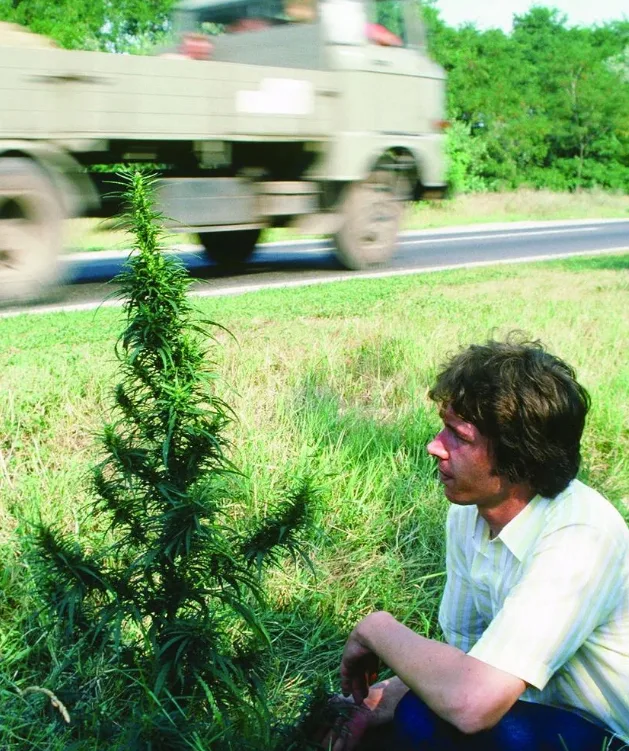
Through the efforts of these people and the migration of US breeders to Europe’s more favorable “climate,” European genetics gained numerous outstanding strains. For example, Sam Skunkman’s Skunk became a benchmark strain in the US during the 1980s before being brought to Europe.
Shantibaba’s White Widow was developed in the Netherlands during the 1990s. Northern Lights, originally developed in the US in the 1970s, was brought to Europe in the 1980s and ended up in Neville Schoenmaker’s hands.
We can also find Amnesia Haze here, reportedly brought to the Netherlands by our familiar friend Sam Skunkman. And we can’t leave out the legendary Blue Cheese from Milo Young of Big Buddha Seeds, which became popular thanks to its cheesy flavor and aroma.
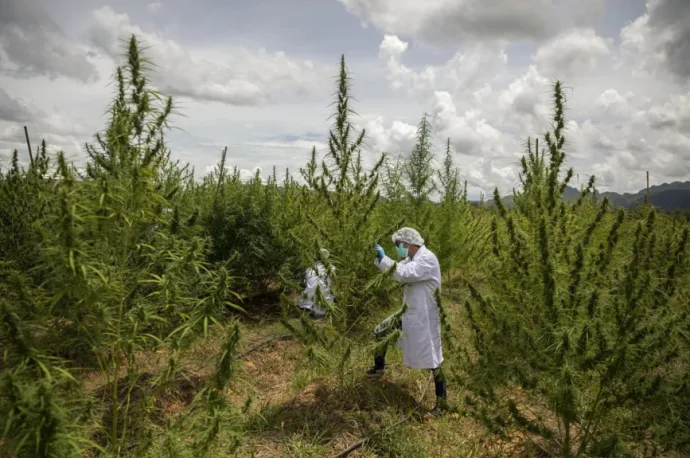
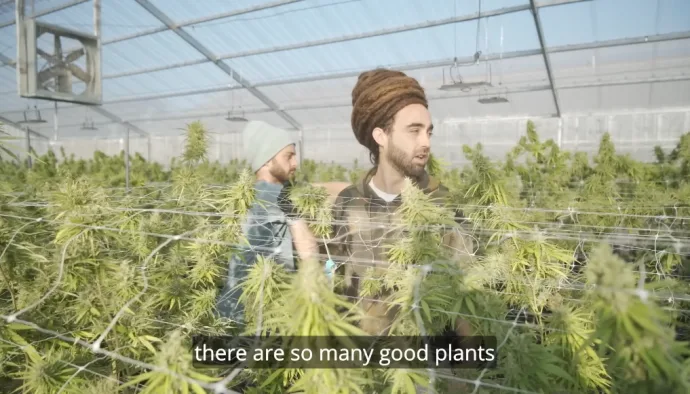
We’ve seen plenty of talent on the Western scene, and the connection between cannabis from the US and Europe is generally quite close. The migration of breeders and brands from the 1980s through the 2000s brought many Americans to the European market, allowing the community to grow and showering us with new genetics.
A successful future
Well, man, it’s time to say goodbye again. Take these parting thoughts and get to work. Over the past few decades, we’ve witnessed a unique evolution in cannabis genetics. Each region has developed its own breeding approach and priorities, leaving a distinctive mark on cannabis culture’s history.
Thanks to breeders’ efforts, people who enjoy a toke around the world can now enjoy a multitude of unique, high-quality strains. Working on genetics is an art, a science, and a passion that brings thousands of people together.
Many innovations and discoveries lie ahead. As laws in different countries become more accepting of our plant, research in this field will intensify. With rapidly growing interest in medical and recreational use, we can expect the plant’s genetics to keep evolving and new, improved strains to appear at an even faster pace.
As I finish this chapter, I want to encourage you, dude, to look for something new, experiment, and share your experience. Sharing knowledge and a passion for discovery are what make this world rich and vibrant. Good luck, peace!