
In this new chapter of our Genetics Made Clear series, we’ll go deeper into the fascinating world of open-source breeding. Take a quick look at programming: there are open-source projects that anyone can not only use but also modify. Now imagine applying that same principle to plants!
There’s no room here for trade secrets or patents: all knowledge is open and accessible. You’ll find out how this changes the game in cannabis and why it could be the future for many crops. Sounds amazing? But it’s real.
The patent question
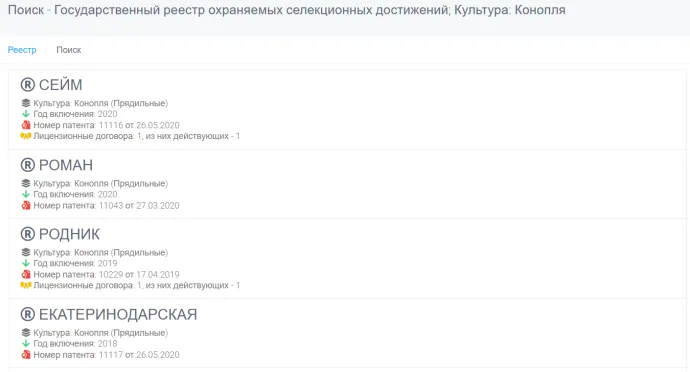
Remember, cannabis is on the verge of legalization in many parts of the world. We have an opportunity to avoid mistakes that other agricultural crops have made before. Right now, a few powerful companies control most of the world’s seed market. They actively patent their developments, restricting farmers’ rights.
Patenting in breeding usually reduces biodiversity because maintaining exclusive rights to a huge number of strains requires significant resources. Under this approach, innovative companies are either absorbed by major players or become buyers themselves, bringing order to genetics and reducing diversity. This path potentially threatens the existence of independent breeders, especially if they decide to patent their own strains.
In the future, we may see only a few hundred patented cannabis strains dominating a market controlled by a small number of corporations.
Interestingly, patented plants weren’t popular with farmers until the 1960s. But when chemical companies began actively advertising their products, farmers started handing seed production and storage over to those corporations. Half a century has passed, and farmers now depend on these giants, which control a limited list of cultivated plants. Today, farmers have fewer choices of tomato or pepper varieties, for example, than they once did. Many of these varieties aren’t adapted to local conditions, leading to increased use of fertilizers and pesticides. Farmers also have to buy new seeds or pay licensing fees every year.
Imagine buying seeds and then being unable to use them in your own projects or give them to someone else. Researchers and breeders also face obstacles because of these patents. These companies’ main priority is their commercial gain, often at the expense of product quality.
Without intending to, cannabis breeders became pioneers of today’s popular “open-source” concept by following an unwritten code of conduct. But the arrival of major players could disrupt this diverse landscape. The community that built the industry faces a choice: fight for its principles or adapt to the new system.
We dream of a world where most cannabis producers unite around open-source principles. In that case, both businesses and consumers would benefit.
The OSSI initiative
One of the first projects pursuing open breeding of agricultural crops is the OSSI initiative. It grew out of a collaboration among breeders, farmers, seed companies, and sustainable agriculture activists who came together to “free” seeds from patent restrictions.
OSSI is a platform that gives breeders tools to label their agricultural varieties as freely usable. This approach contrasts with the dominance of patented seeds maintained by monopolists such as Monsanto and DuPont.
Founded in 2012, OSSI was a response to patent restrictions in breeding that, in its founders’ view, strengthen major players’ dominance and hold back innovation. Drawing on open-source programming principles, the initiative tried to put the idea of a “free public domain” into practice in breeding.
Although OSSI initially intended to create a legal license, the practicalities proved too complicated. A plant seed license has to spread quickly to every new generation of plants, creating an enormous amount of legal work. Ultimately, OSSI chose to use an informal pledge printed on or passed along with every seed packet, both for simplicity and because they felt that this less restrictive approach better matched the project’s goals.
The OSSI Pledge provides four main principles for using seeds:
- The freedom to save and plant seeds as you see fit.
- The freedom to give them away, exchange them, or sell them.
- The freedom to conduct research and share the information obtained.
- The freedom to modify and adapt seeds, creating new strains from them.
The legal status of open-source licenses

Under ideal conditions, where the law actually works, open source operates like any other licensing agreement: it has the force of law. If it is violated, the parties can go to court to enforce it. Parties that sign such a license agree to follow all its terms. If those terms aren’t followed, the parties can go to court to seek compensation.
While patents affect everyone’s interests, licensing agreements apply only to those who sign them. An open-source license therefore doesn’t have the same power as a patent. Nevertheless, it remains a binding document that the parties must not violate if they want to avoid legal consequences.
The jurisdiction specified in the licensing agreement is crucial to enforcing an open-source license. This explains why an Open Source Breeding License needs to be adapted to a particular jurisdiction. Such localization is necessary to effectively uphold the rights and interests of breeders and nonprofit participants.
Open source and the public domain
A reasonable question comes up: “If I have the genetics, why can someone else decide how I use it?” Fair question!
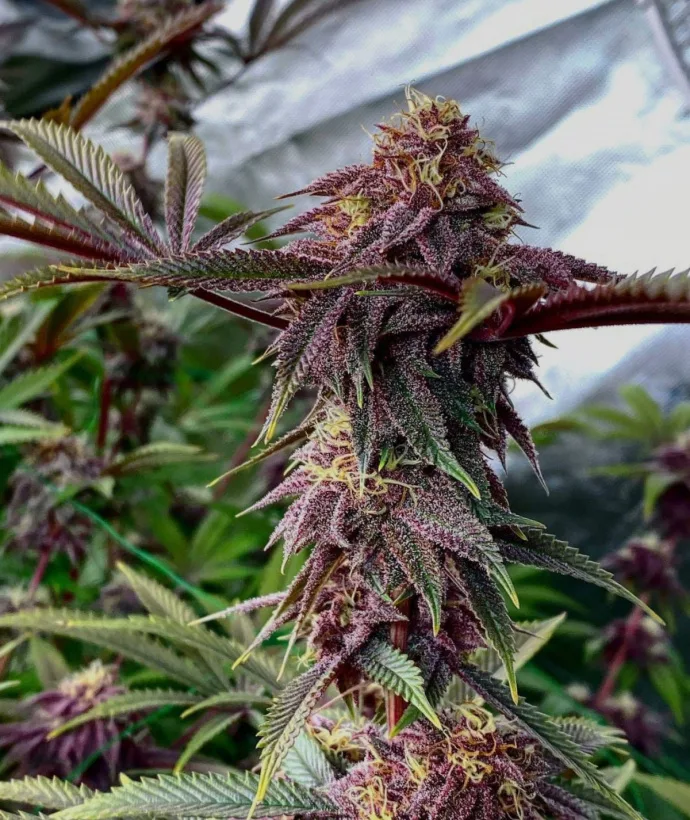
Historically, genetic material has always been our shared heritage. From the moment early humans moved from wandering to settled life, agriculture and breeding became central. For thousands of years, this society was based on shared seed use. Modern patent laws, however, sometimes threaten that concept by allowing the genetic code to be privatized and reducing biodiversity.
Although the public-domain ideal remains the goal, open-source licensing offers an alternative in a world dominated by the patent model. It provides additional guarantees by establishing restrictions on distribution and division based on copyright.
However, it’s important to point out that open-source licenses don’t affect existing or future strains in the public domain. Popular strains such as OG Kush or Purple Haze, for example, will remain free. They cannot be restricted through an open-source license or patented. But new strains developed from open-source licensed strains will follow the terms of that license.
Anyone choosing to use open-source genetics needs to understand their responsibility. Those who violate a licensing agreement may face legal consequences.
If the open-source concept seems complicated, there’s always the option of using public-domain genetics. Ultimately, the choice is yours: take advantage of new opportunities or stick with time-tested traditions.
How does open-source licensing work?
- Informing buyers. Breeders selling strains under an open-source license will clearly inform buyers about it. Every listing will contain a link to the full license text. Seed packets will also carry a label with the licensing terms, a QR code, or a link to the full terms.
- The buyer’s obligations. By buying seeds, the customer automatically agrees to the license terms and must comply with them. If the customer decides to breed using the acquired genetics, new strains must also be provided under that license’s terms.
- Choosing genetics for further work. Breeders who want to work under different terms or are considering patenting must use public-domain strains for their work.
- Building a community. Over time, a community develops around breeders who prefer to work either with public-domain genetics or with open-source genetics.
- Coexistence of different types of genetics. Proprietary, patented genetics, public-domain genetics, and open-source genetics will exist side by side, each for its own reasons.
- Safeguarding access. Open-source genetics acts as a kind of insurance, guaranteeing access to genetic resources even if other sources become unavailable.
The benefits of OS
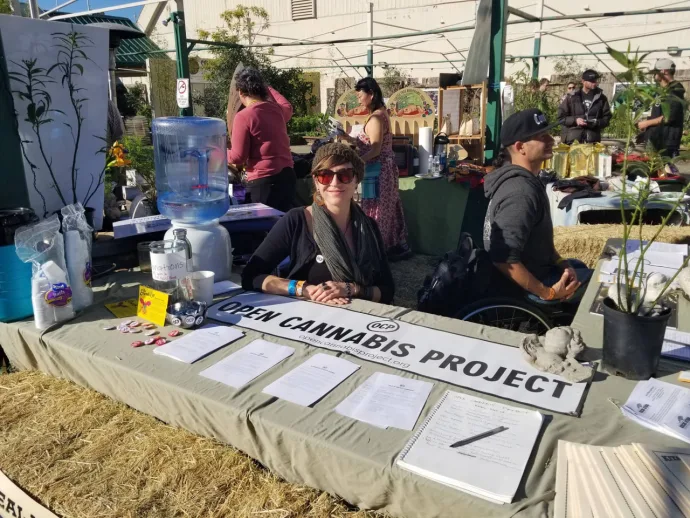
Unusually for a license, an open-source seed agreement allows almost everything. That’s why open breeding in cannabis offers so many unique opportunities and prospects. Above all, it democratizes knowledge, giving every breeder, researcher, and enthusiast access to plants’ genetic information. This removes barriers and allows people to study, experiment, and share results freely. The absence of patents and commercial restrictions guarantees the preservation of genetic diversity, allowing breeders to work with different genotypes and expand the cannabis genetic base.
With open source, collaboration comes to the forefront. The combined efforts of professionals and enthusiasts speed up the development of new strains and help solve current problems. With broad genetic diversity, breeders can focus on developing disease-resistant strains adapted to different climates.
Open-source breeding also brings economic advantages for consumers. The absence of licensing payments can lower seed costs, making cannabis culture more accessible. This method protects the market from monopolization, preventing major corporations from dominating seed production and sales. Finally, open access to genetic data makes breeding an educational tool, allowing students, scientists, and anyone interested to study cannabis genetics more deeply and contribute to the scientific community.
Cannabis projects based on the open-source idea

Strainly.io is a resource that lets breeders, growers, and consumers connect to exchange resources and knowledge. The guys promote OS. And of course, within the subject we’re discussing, this resource can play a key role. Through platforms like this, consumers can be confident they’re obtaining strains that really are openly accessible and follow open-breeding principles.

OpenSourceSeeds licenses varieties for free and keeps all the necessary information in its database. OSS is a cannabis-friendly initiative. It has even offered any cannabis growers’ union or association that wants to offer this license to its members the option of signing an agreement with OSS, which would then defend the rights of members using its license.
7 East Genetics is one of my favorite brands in the seed market. This breeding and seed-production company, founded in the Canadian town of Havelock, Ontario, has been developing cannabis strains for more than 19 years, having started with a small group of private clients. The guys combine timeless landrace genetics, heirlooms, and new strains with forward-thinking craftsmanship and, of course, work according to the open-source principle.
Which path will you choose?
In a world where patents and monopolies seek to restrict access to genetic heritage, the innovative idea of open breeding acts as a buffer that not only protects that heritage but also allows it to thrive.
The key points we’ve discussed emphasize the importance of democratizing knowledge, preserving genetic diversity, and encouraging collaboration between breeders. Instead of the threat of restriction and uniformity brought by a patent-oriented system, an open approach offers a world where everyone can contribute to cannabis culture, making it richer and more diverse.
So we face a choice: follow corporate interests and risk losing the richness and diversity of cannabis genetic heritage, or unite around open breeding to protect and improve it for future generations. This story isn’t only about cannabis; it’s also about our right to access, collaboration, and a shared future.
Bro, if you have something to say about this, come join the DZAGI thread, as always. Good luck, and stay open to new things—the world will surprise you yet!