
Bastard Ryder F1: the parallel line
The first Drunken Bastard × Lowryder cross: leaf observations, selecting BR#3 and BR#6, the second mother BR#12 and F2 seeds.
Sep 30, 2022 - Apr 9, 2023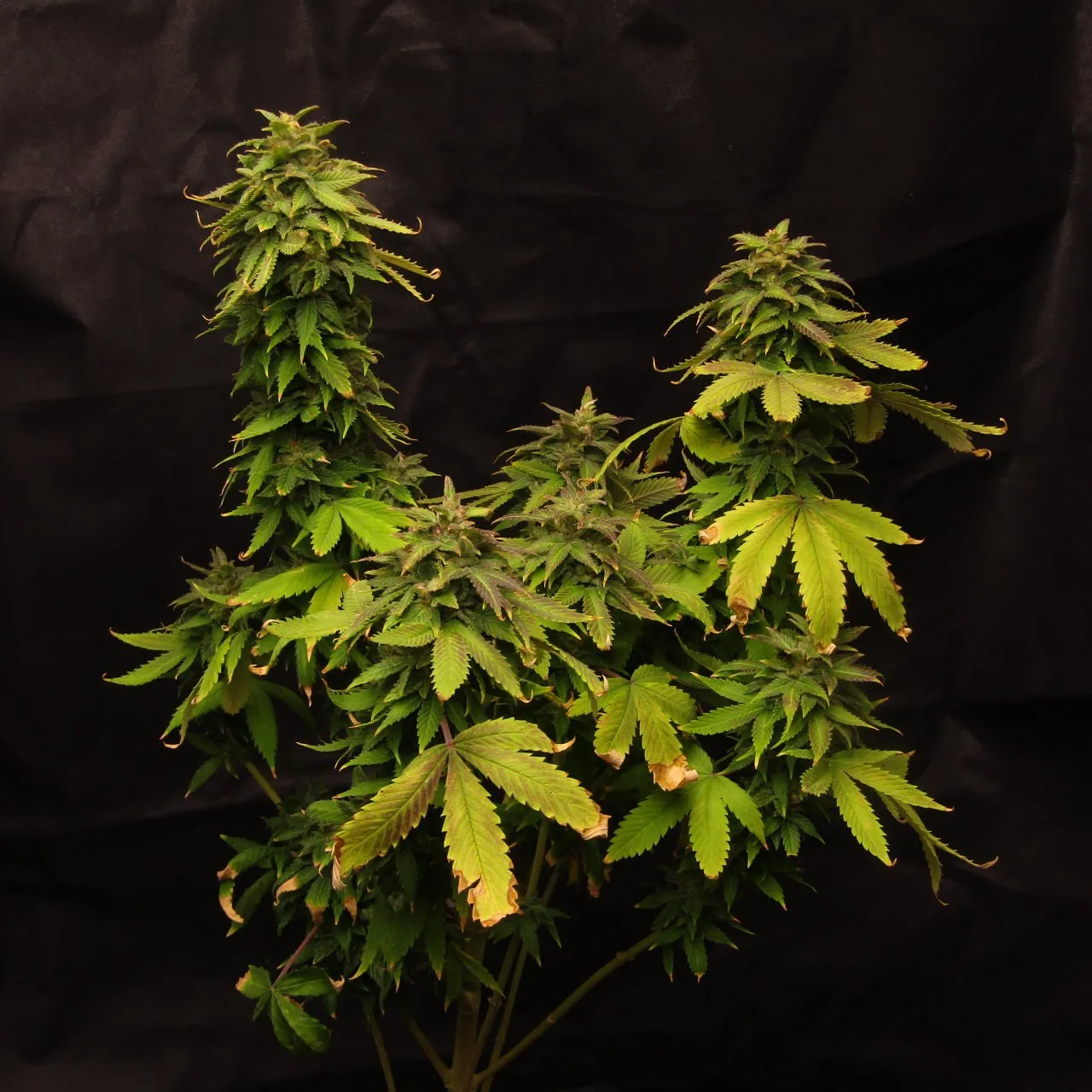
- Cross
- Drunken Bastard F3 × Lowryder IBL
- Generation
- F1 → F2 seeds
- Years
- 2022-2023
- Sex after selection
- 3 females, 6 males
September 30 - October 7, 2022. A parallel line
Hi, friends! This report covers Bastard Ryder The first generation from a cross between two parents. F1 ↗ from Mutant Farm. I produced this hybrid by crossing Drunken Bastard F3 (7East Genetics) × Lowryder Inbred Line: a line selected over generations to reproduce particular traits consistently. IBL ↗ (Doctor’s Choice).
It is part of my personal seed collection, which I started putting together in the second season.
On September 30 I take out the seeds and get started. On October 2 I sowed all the material.
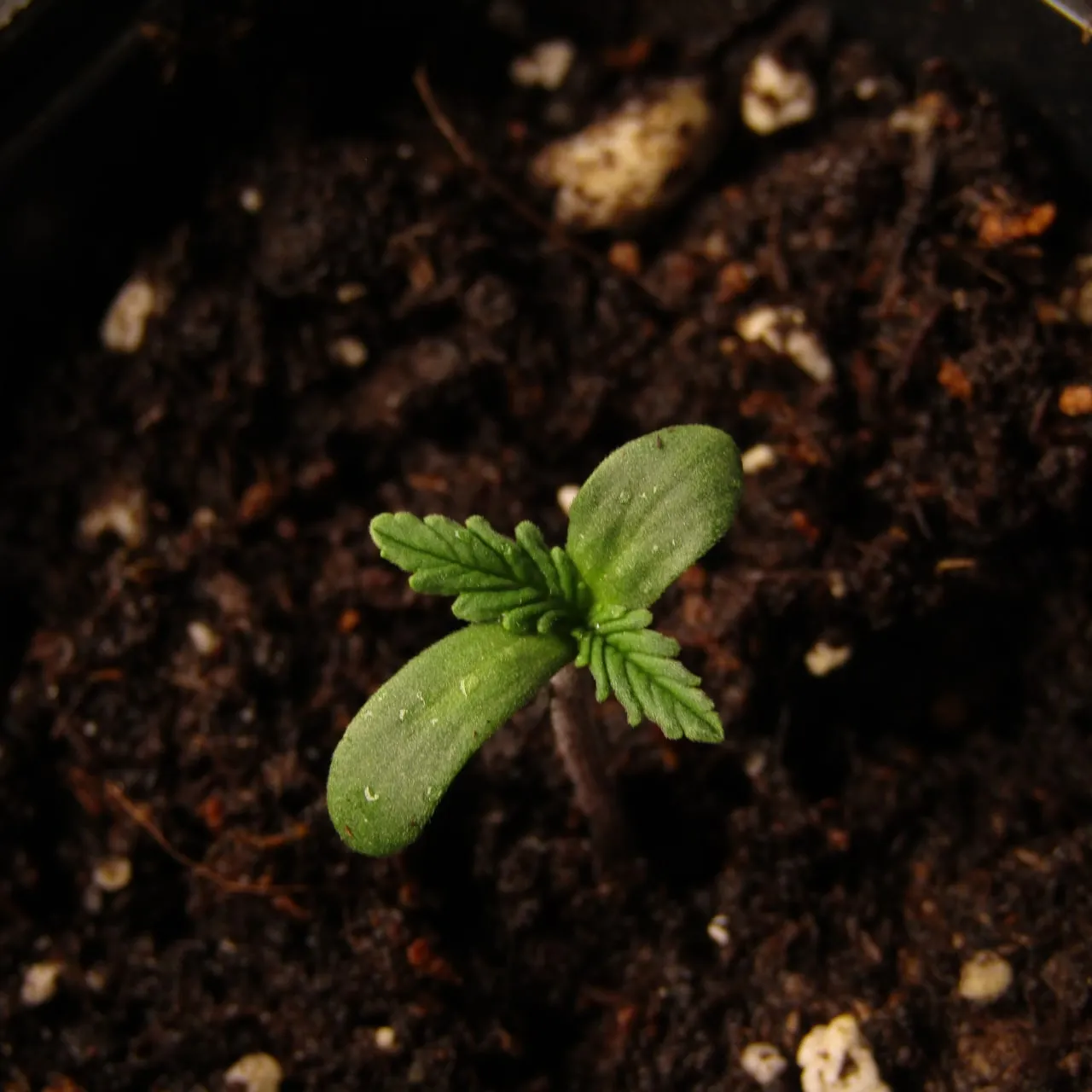
Eleven out of 12 germinated. One plant looks too much like a Bastard, so I wondered whether a seed had been mixed up. We will see how it develops.
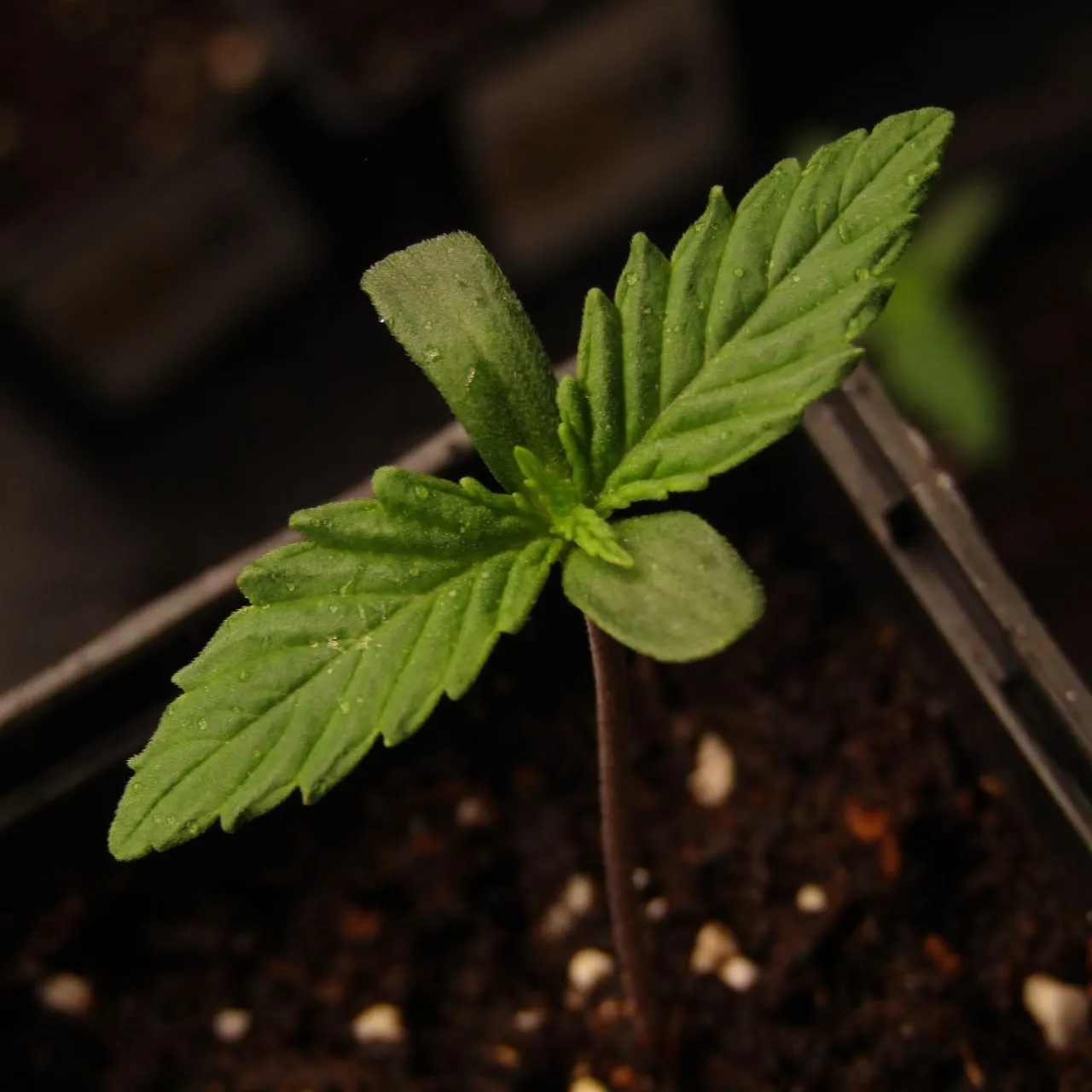
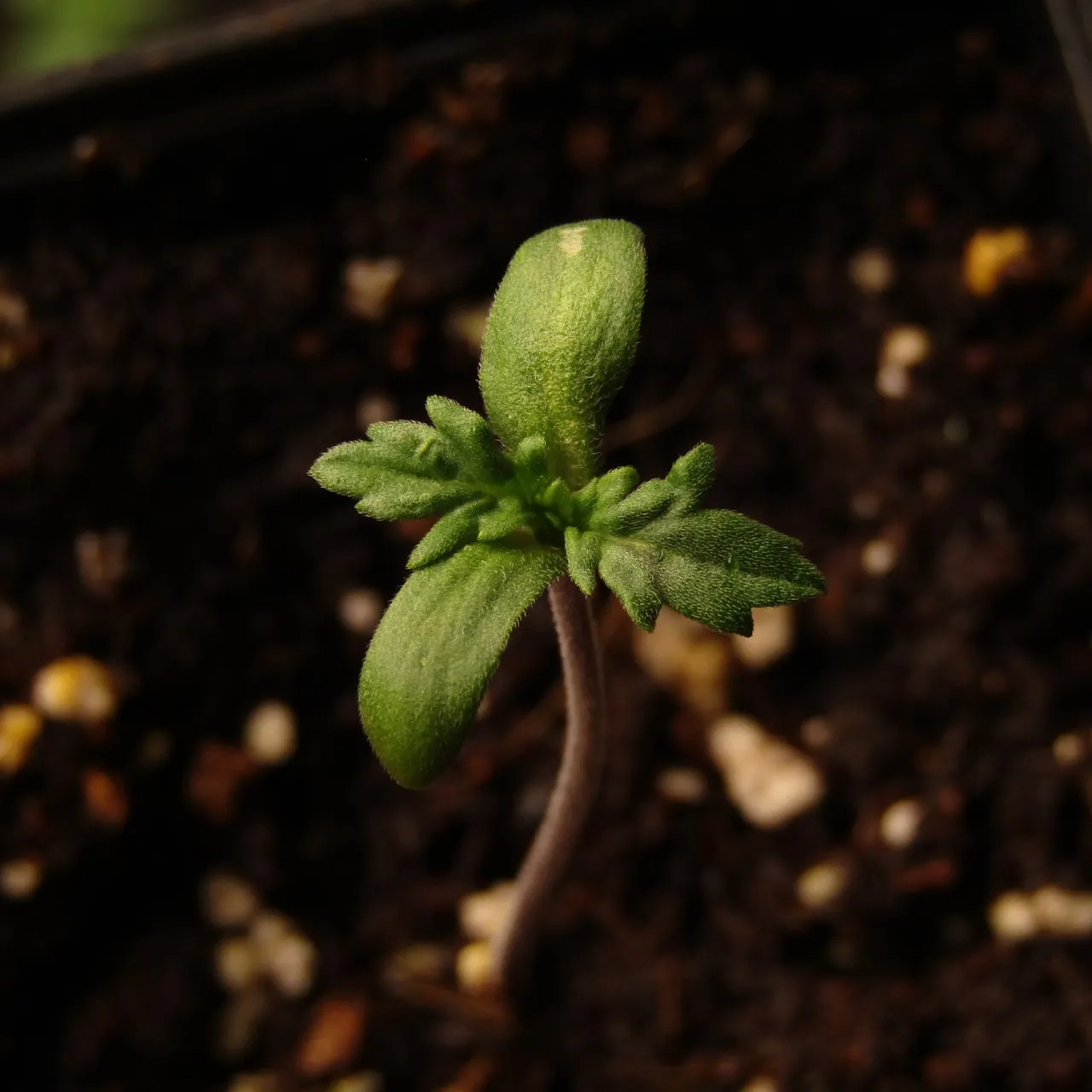
Week 1. BR#9 and the first elimination
All 12 out of 12 germinated. Ten out of 11 plants show ordinary leaves without distortions, with subtle leaf differences in some. BR#9 fully expresses the ABC mutation. I think pollen from DB#15 reached the mother, which was DB#16. I will describe the The observable traits of a plant, such as its height, leaf shape or colour. phenotypes ↗ after the plants show their sex.
BR#1 took a long time to emerge, turned out weak, and was eliminated.
Weeks 2–3. Observations
The aphid attack I mentioned earlier did not cause significant damage or affect growth. The plants are growing vigorously.
BR#9 still behaves like an ordinary Bastard, which leads me to conclude that the mother received pollen from DB#15 instead of Lowryder.
Weeks 4–5. Sex and morphology
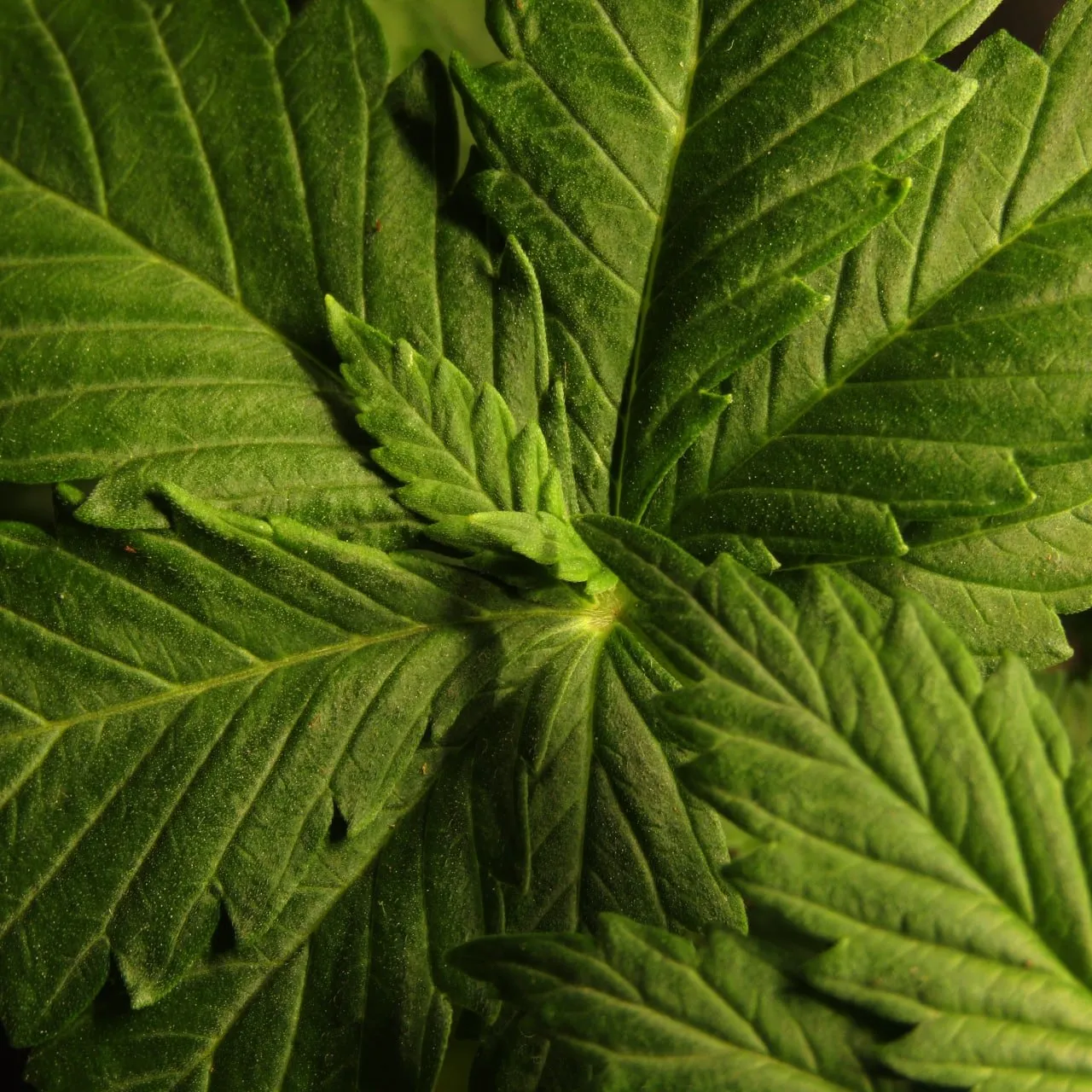
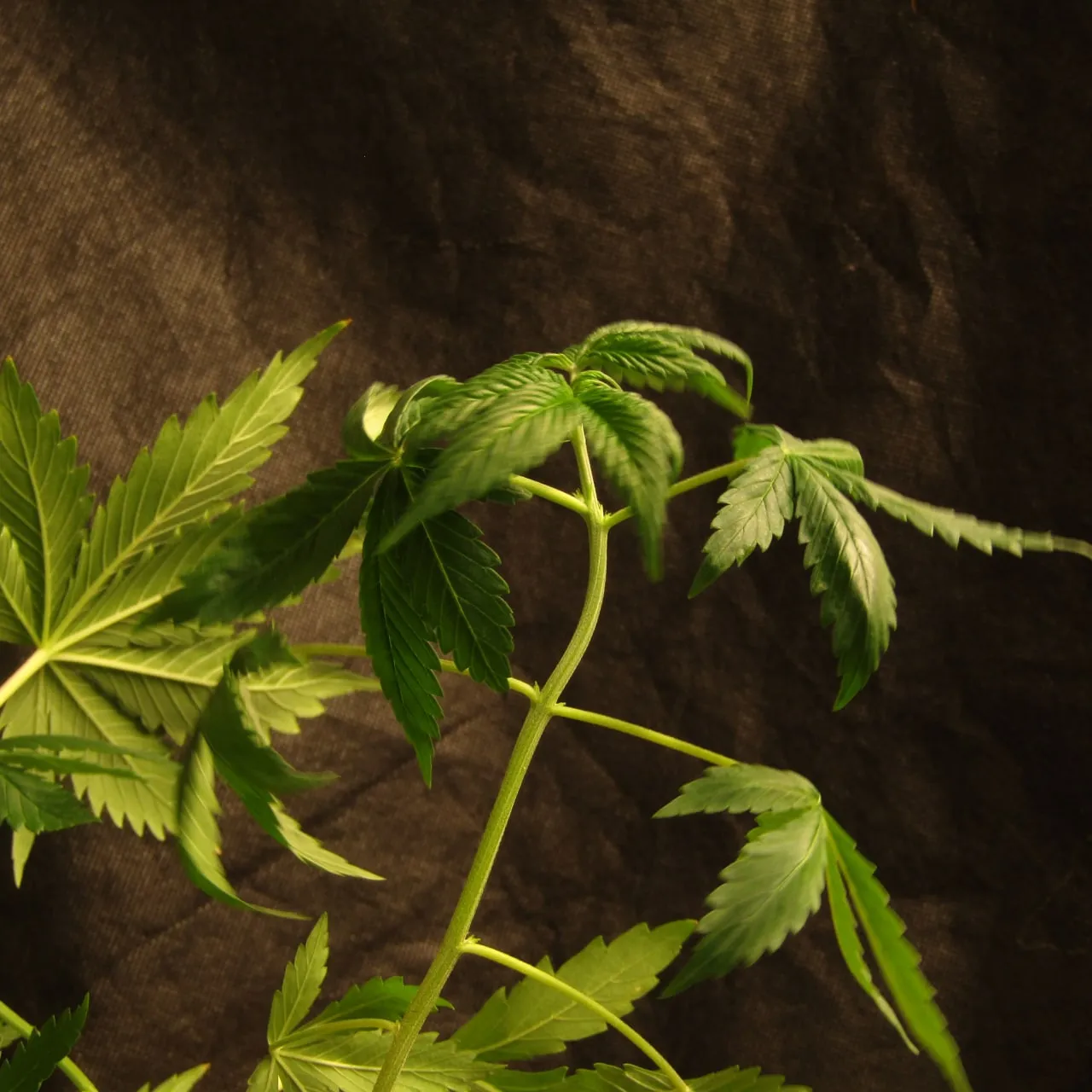
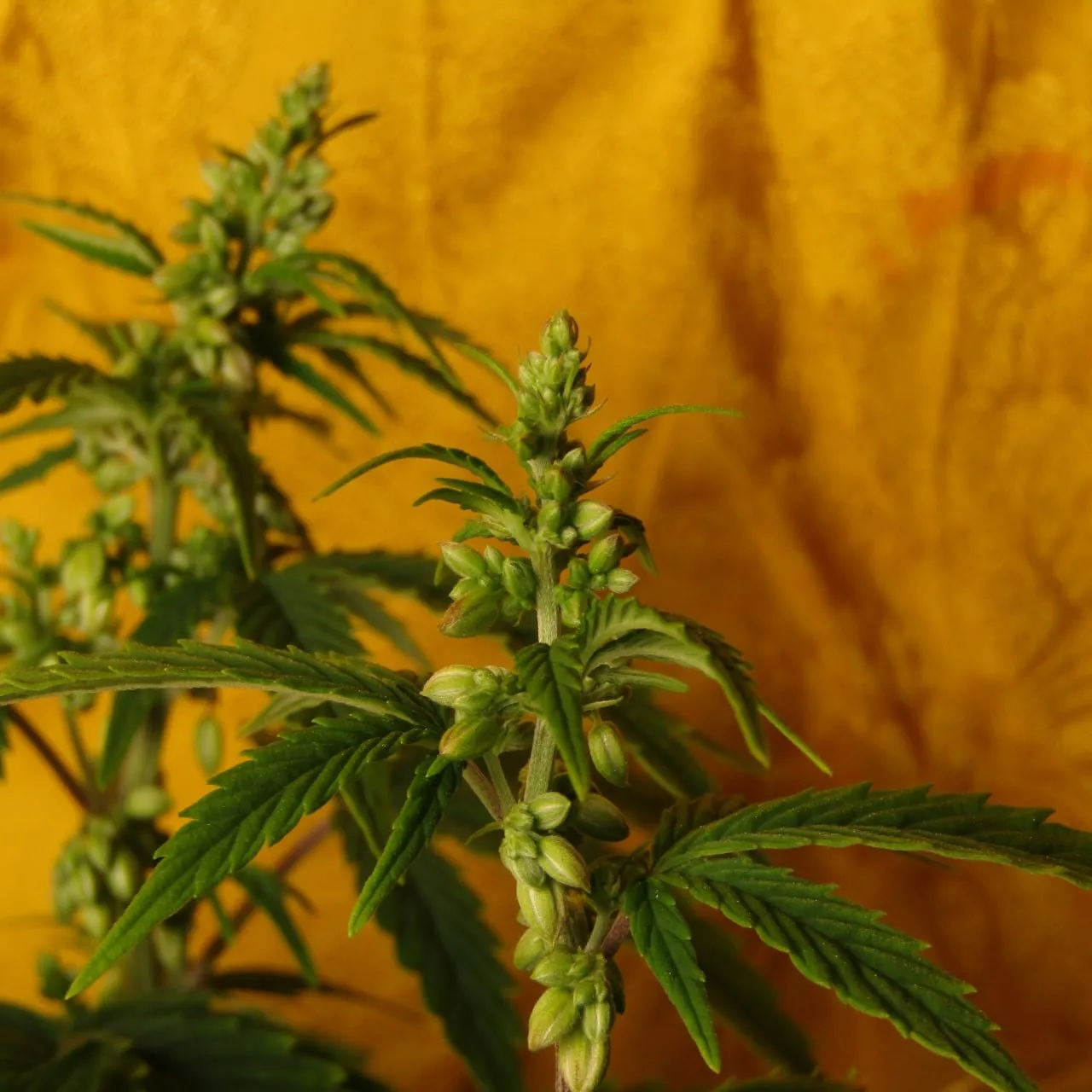
The plants are beginning to show their sex. Many have extra leaflets at the upper nodes. BR#6 shows the most Bastard influence, visible in the unusual shape of the extra leaflet on new leaves.
All the plants have shown their sex: 3 females and 6 males. The males will then go on to pollen production.
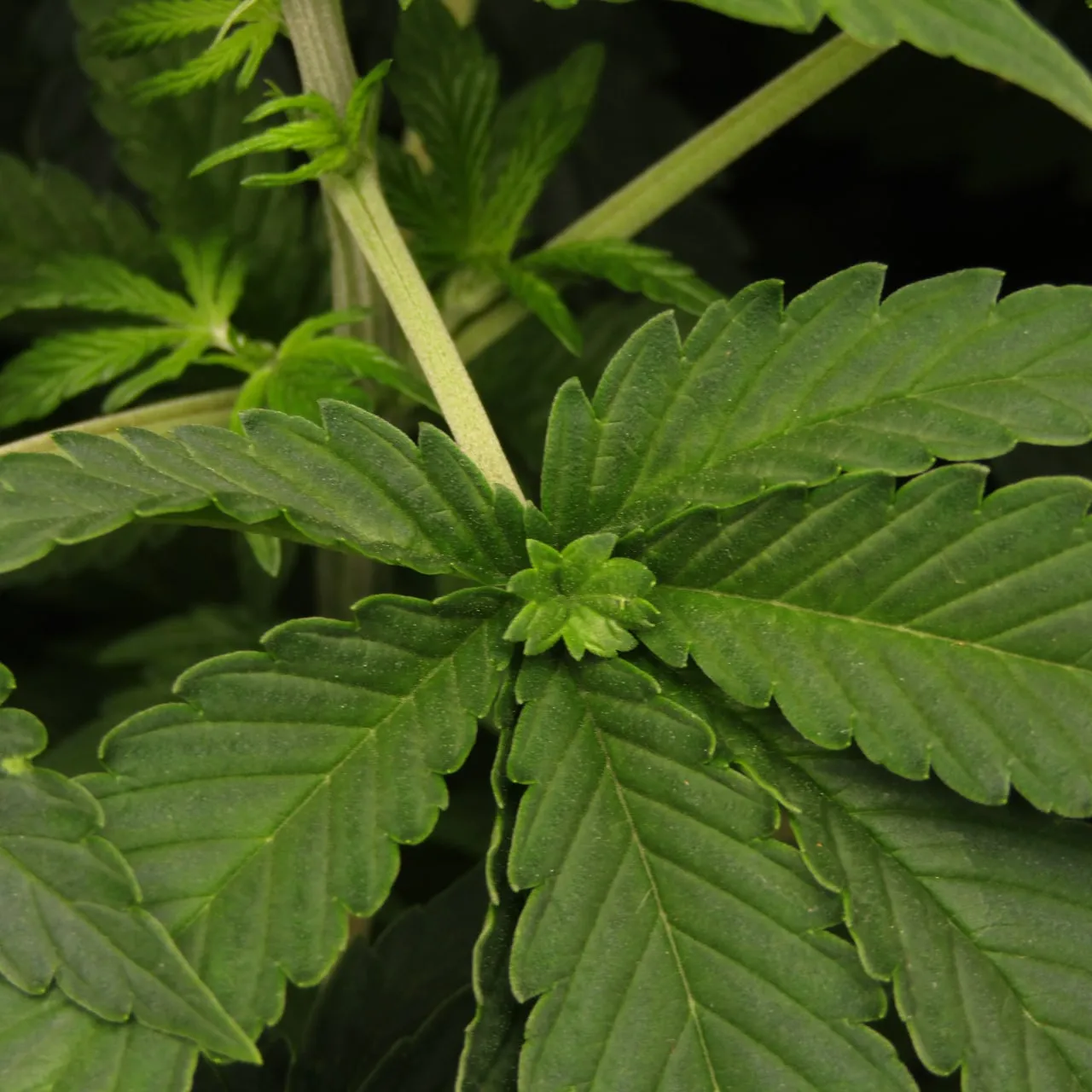
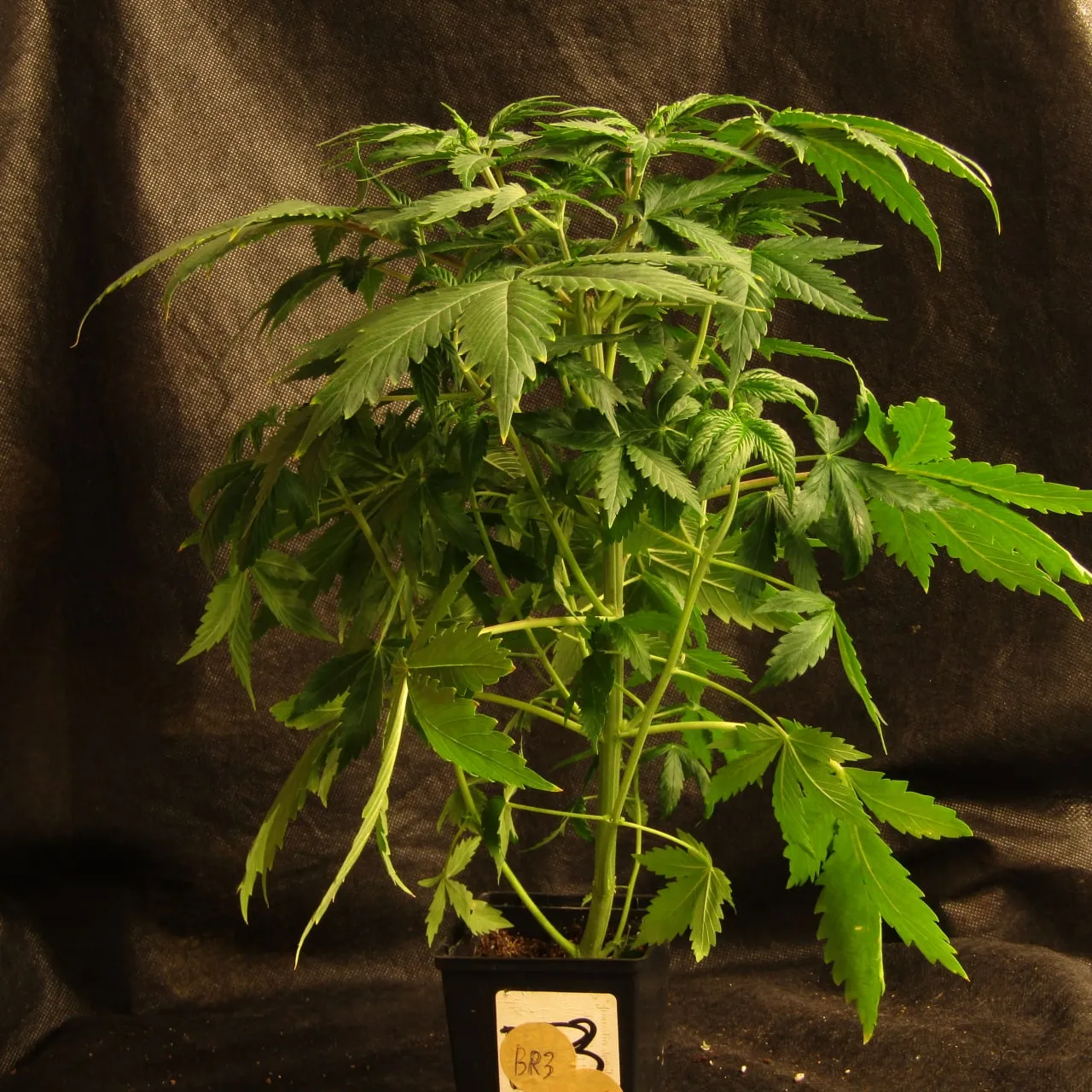
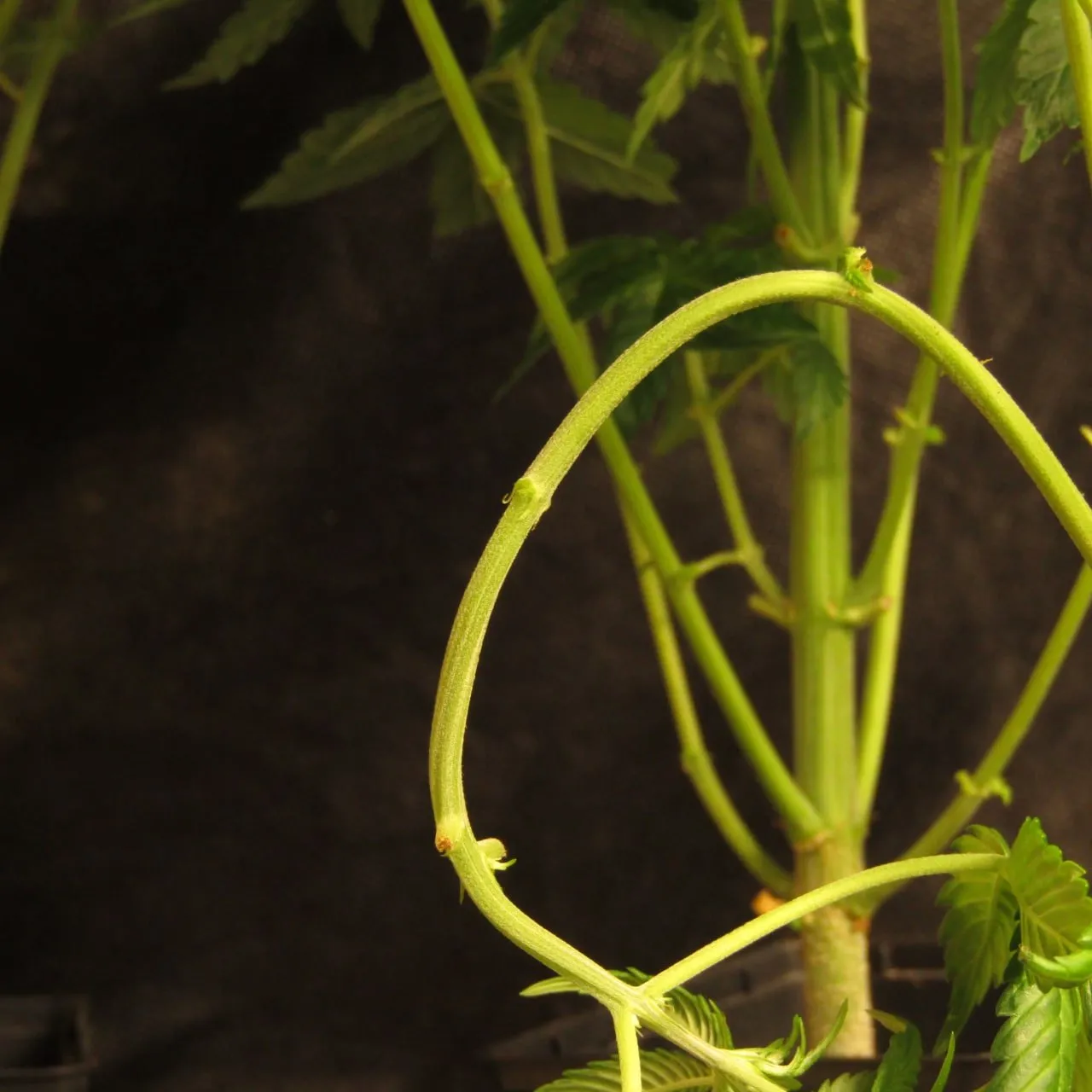
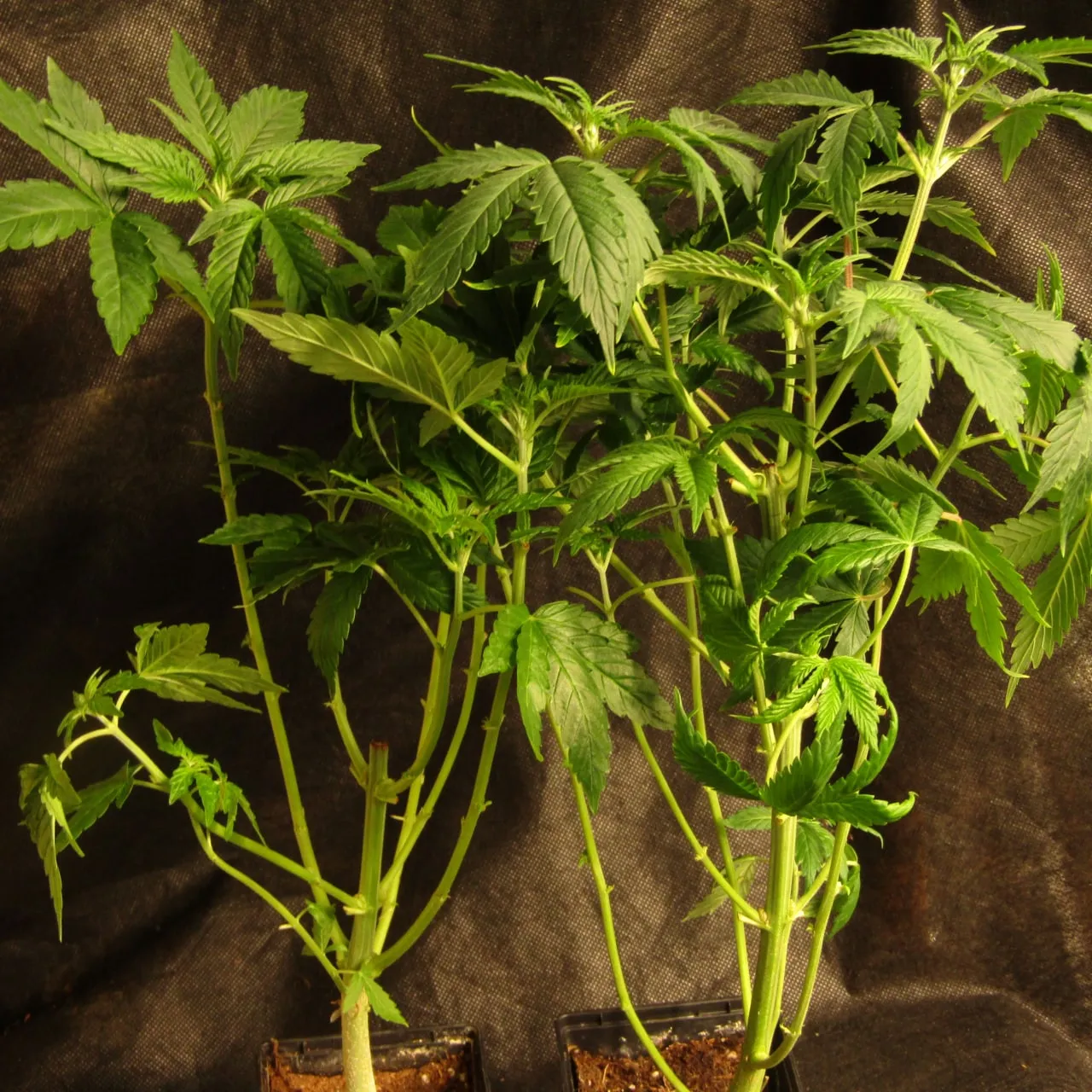
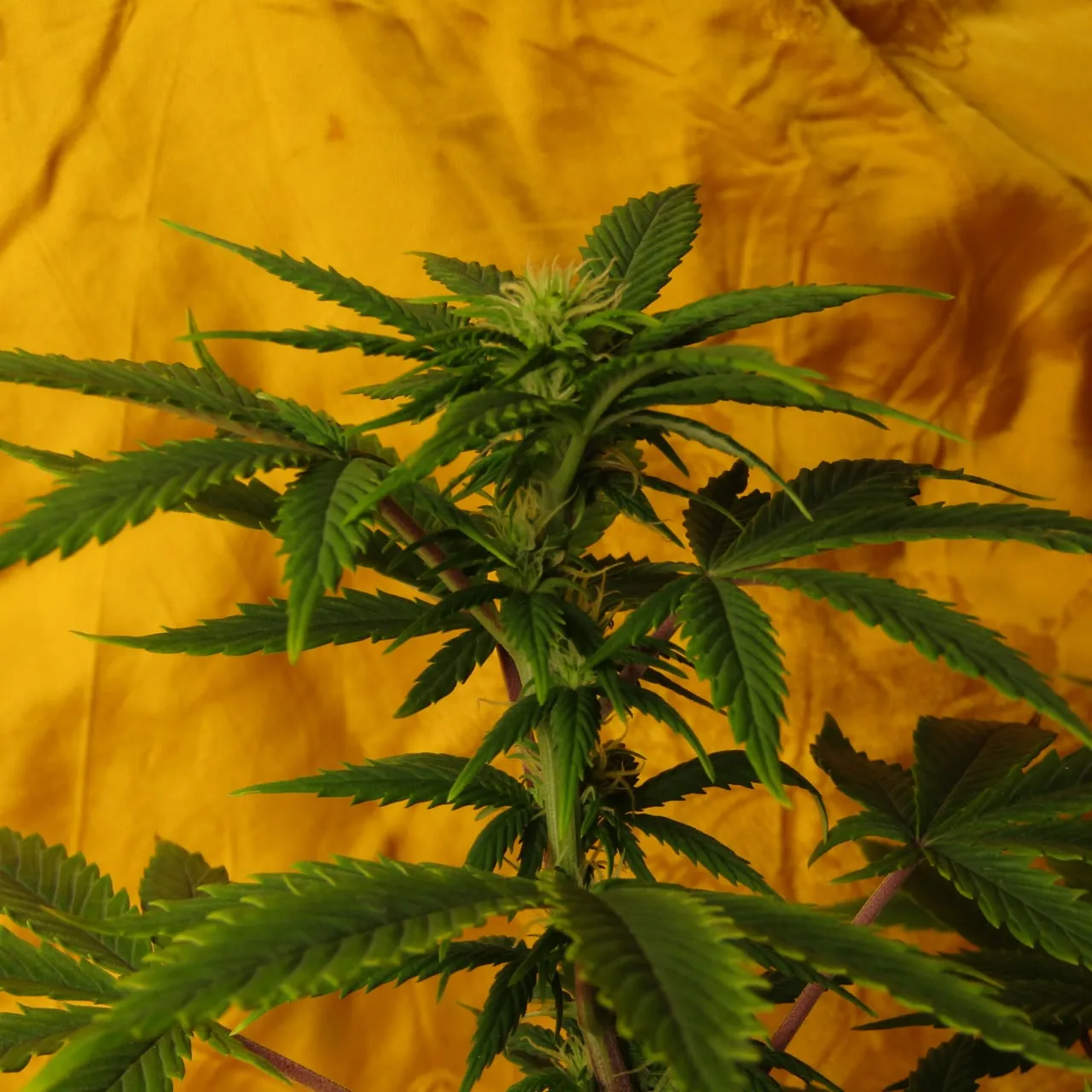
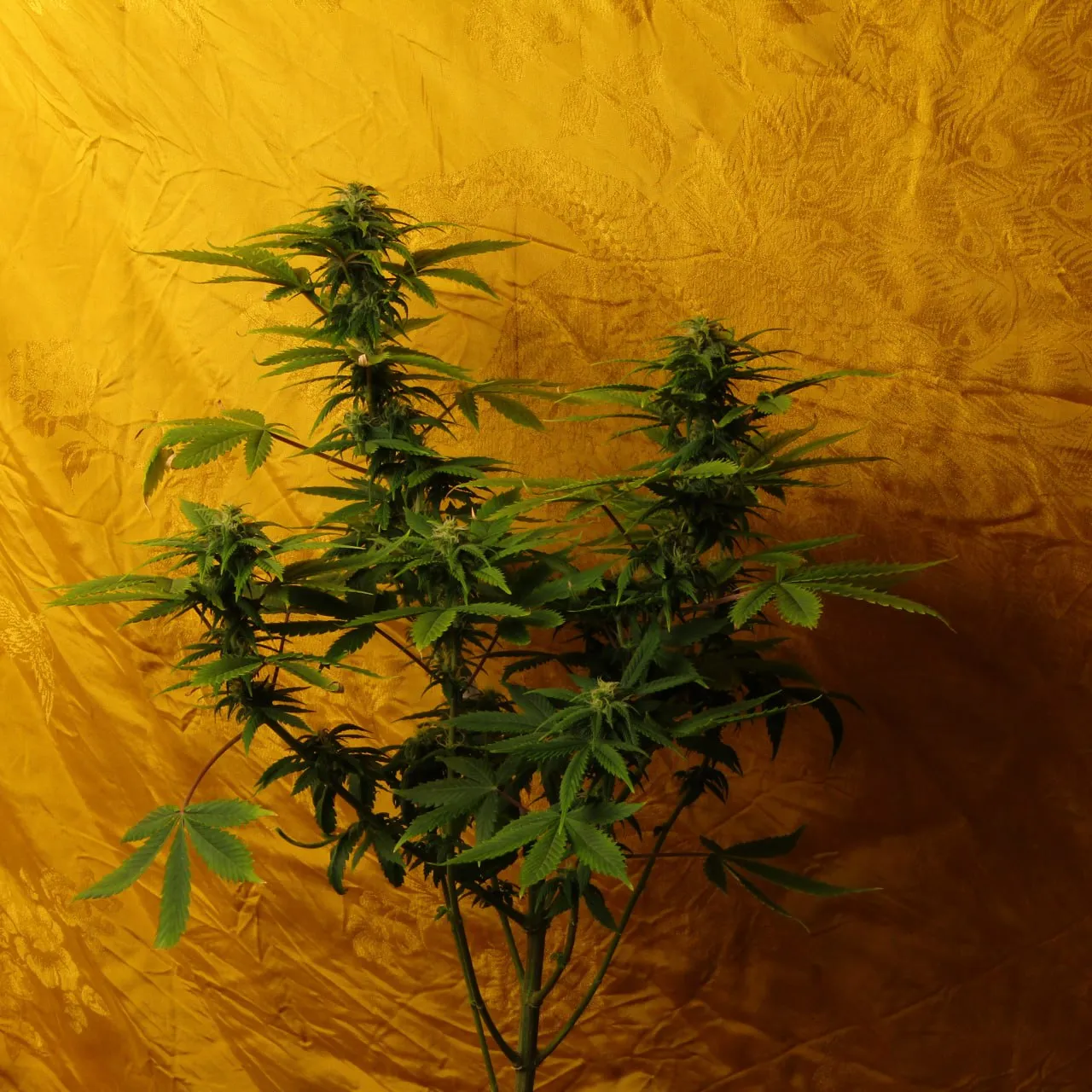
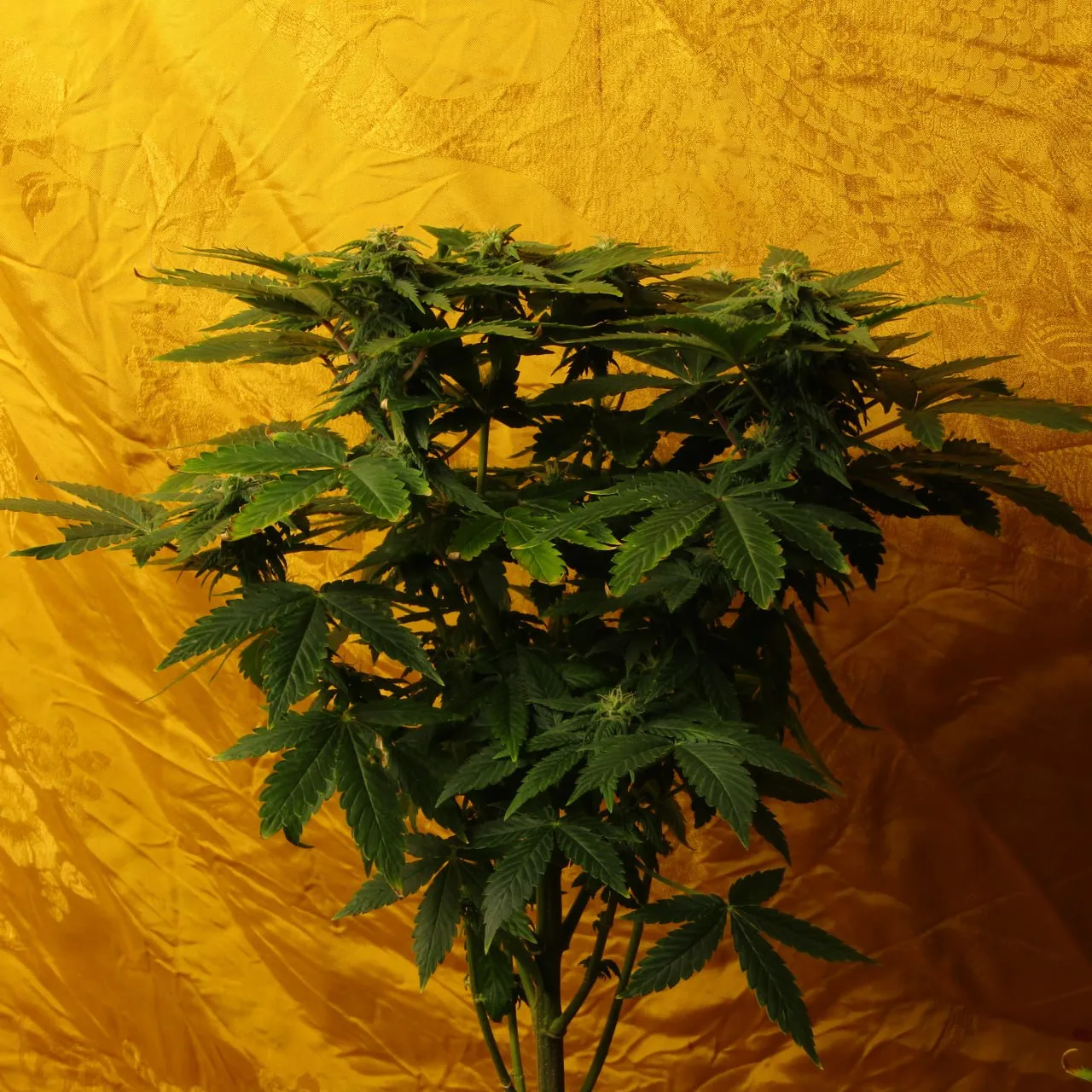
All the females are very branchy, beautiful, and vigorous, as I would expect of plants with hybrid vigor. BR#3 is my favorite: her branches curve slightly, recalling the Bastard’s flexibility, and the upper fan leaves develop extra leaflets that resemble ABC leaf shape.
Weeks 6–8. Choosing a pair
I selected the best male and female plants for breeding: male BR#6 and female BR#3. I chose both for the Bastard characteristics in their phenotypes: slightly smoother leaf structure, softer and more flexible branches, and good, active branching. Both showed an extra ABC-shaped leaflet on the upper fan leaves.
During weeks 7–8, I did not intervene or take photographs.
Weeks 9–10. Transition to flowering
I switched BR#3 and BR#12 to flowering. I have kept the male, BR#6, in the vegetative phase for now. In a couple of weeks I will switch him to flowering as well, for pollen.
Aromas when the stems are rubbed:
- BR#3: bright, fruity, and sour, with blueberry notes.
- BR#12: pungent blueberry, garlic, and sourness, with sharp fruit notes.
- BR#6: blueberry and garlic, with hints of fruit.
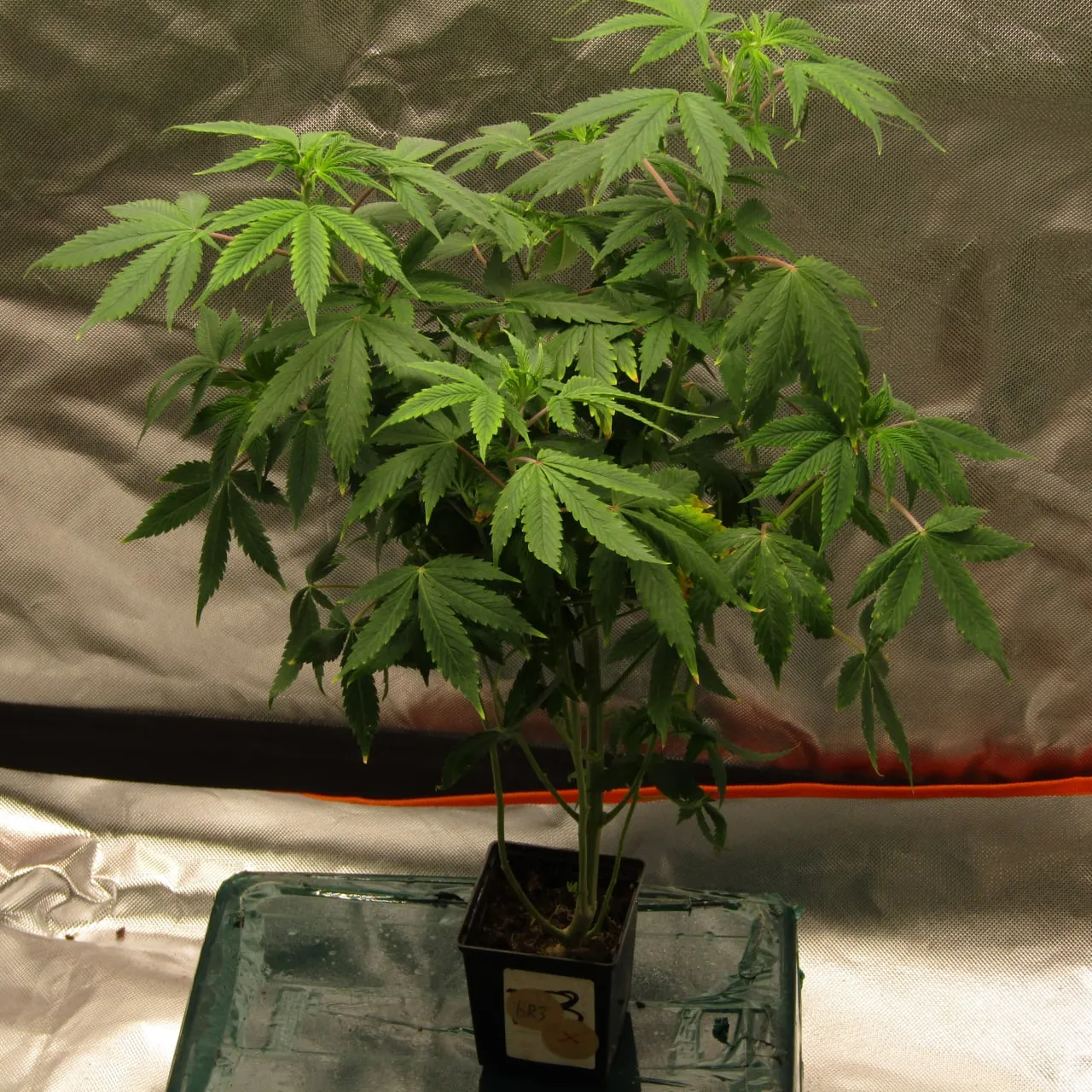
Week 10: no intervention, only photos.
Weeks 11–12. Pollination
BR#3 and BR#12 are developing their first flower clusters and will soon be ready for pollination. BR#6 is also about to begin shedding pollen.
On December 27 Bastard Ryder F1 (Lowryder IBL × Drunken Bastard F3) moved on to their main task: reproduction. I used a brush to transfer pollen from BR#6 to the females BR#12 and BR#3. I marked the unpollinated branches on the female plants with white stickers, leaving a couple on each.
BR#3 and BR#12 have put the offspring plan into action and received pollen from BR#6. BR#3 looks more like her pollen donor than her sister does. After pollination I returned the male to vegetative growth.
Weeks 13–17. Maturation
BR#3 and BR#12 are growing and carrying the offspring. The plants got a couple of days of drought. I let them recover. I am waiting for the next generation.
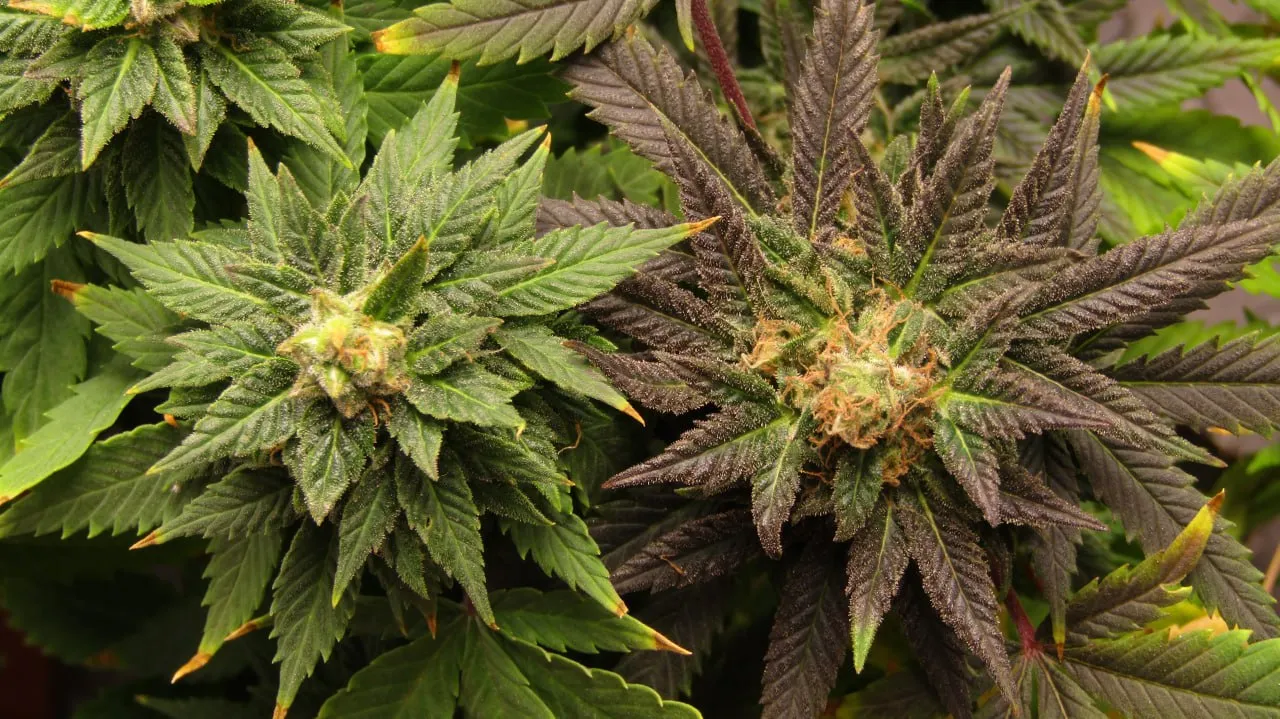
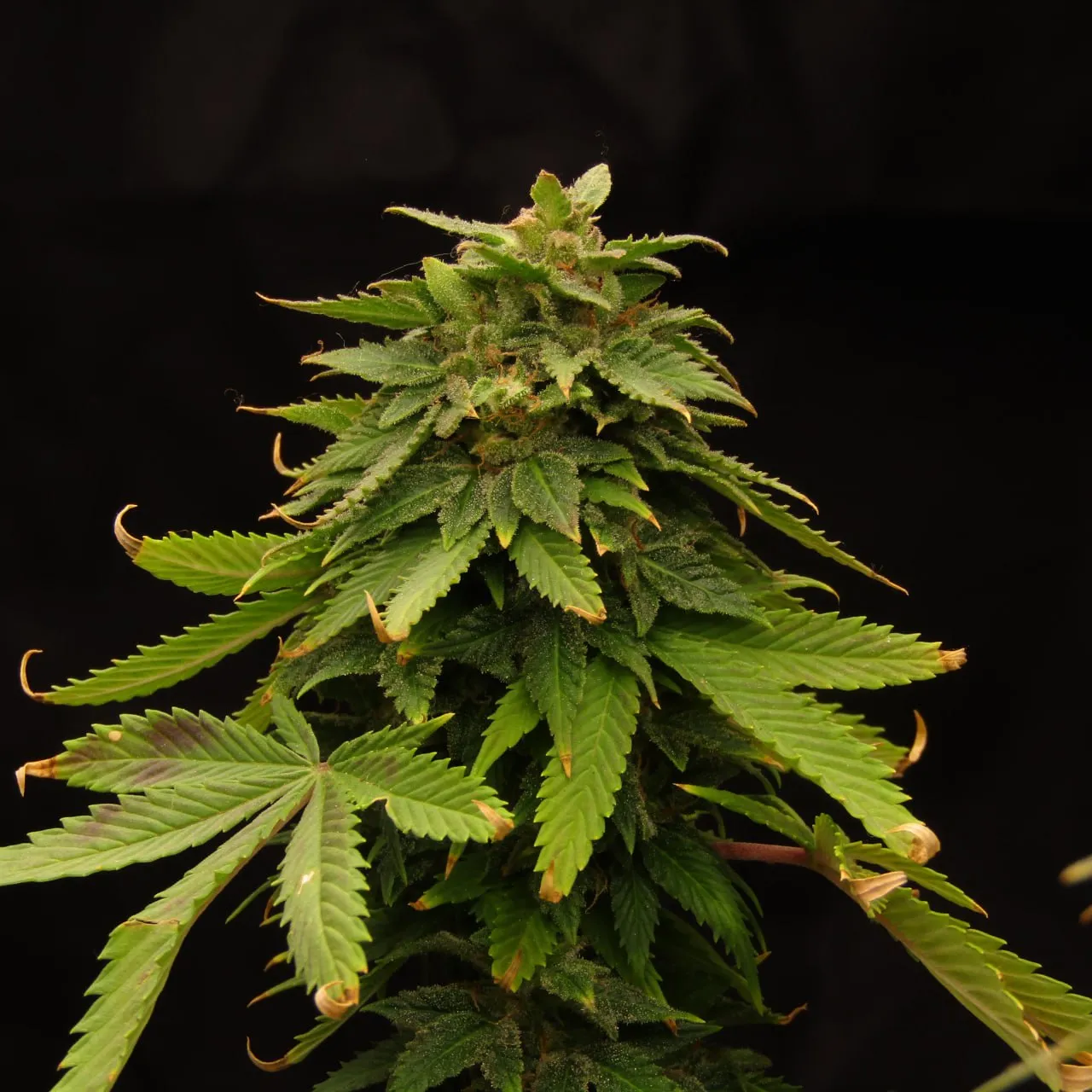
DF#9 (Drunken Bastard F3 #16 × Freakshow IBL #4): the flower has developed a good, rich purple. For comparison, next to it is BR#12 (Drunken Bastard F3 #16 × Lowryder IBL); they stand in the same conditions. Of course, the cool air in my growing area is the cause, but the predisposition to purple buds is plain to see.
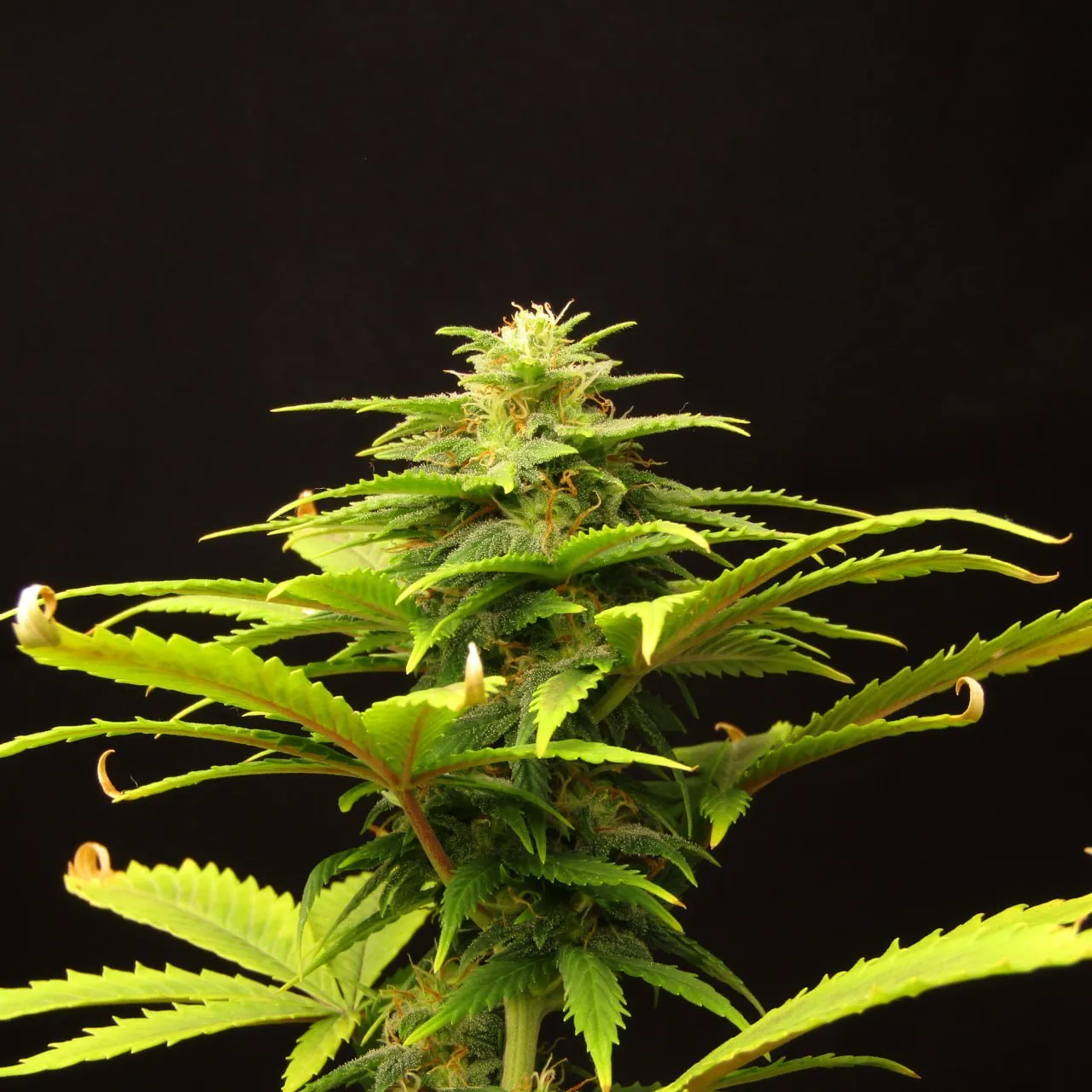
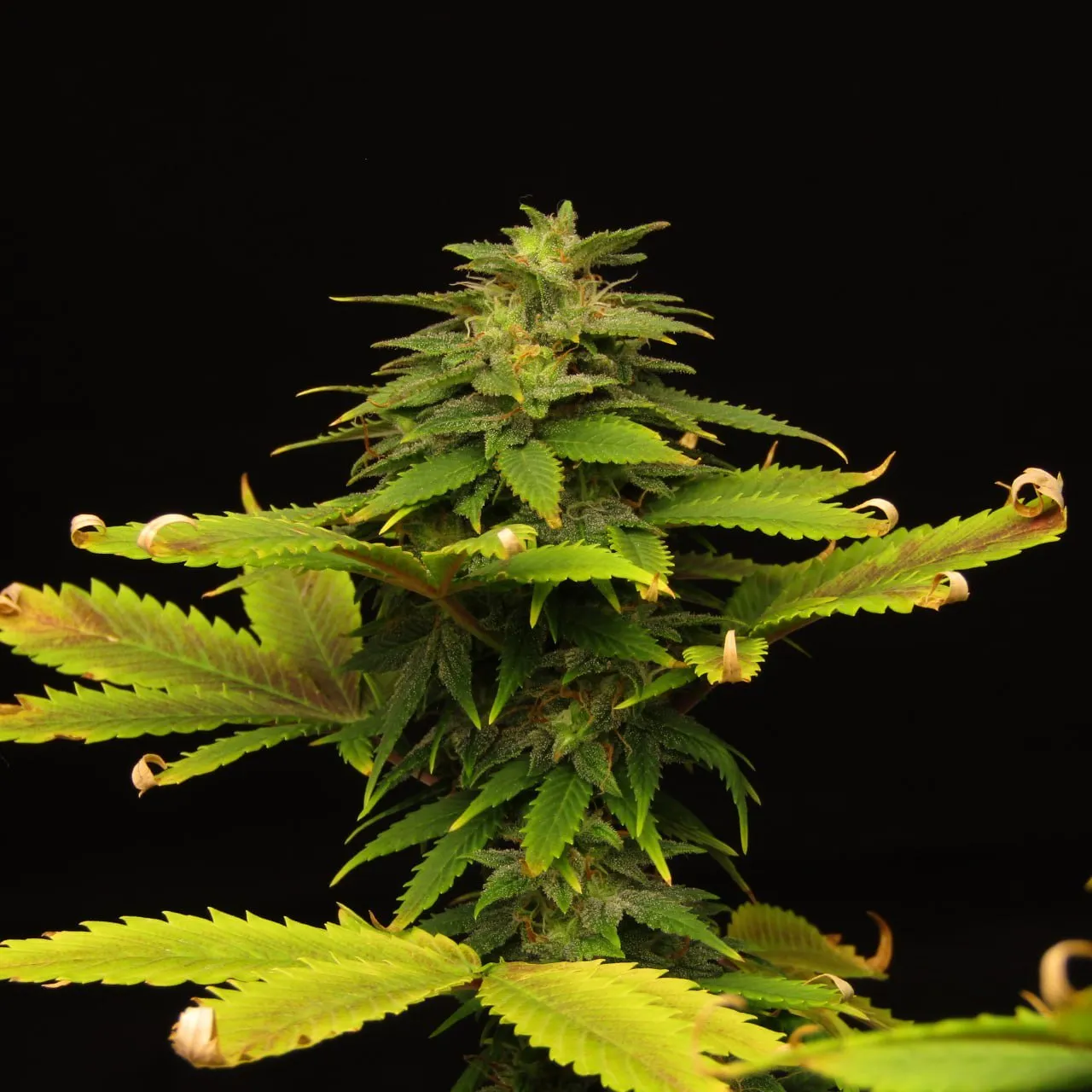
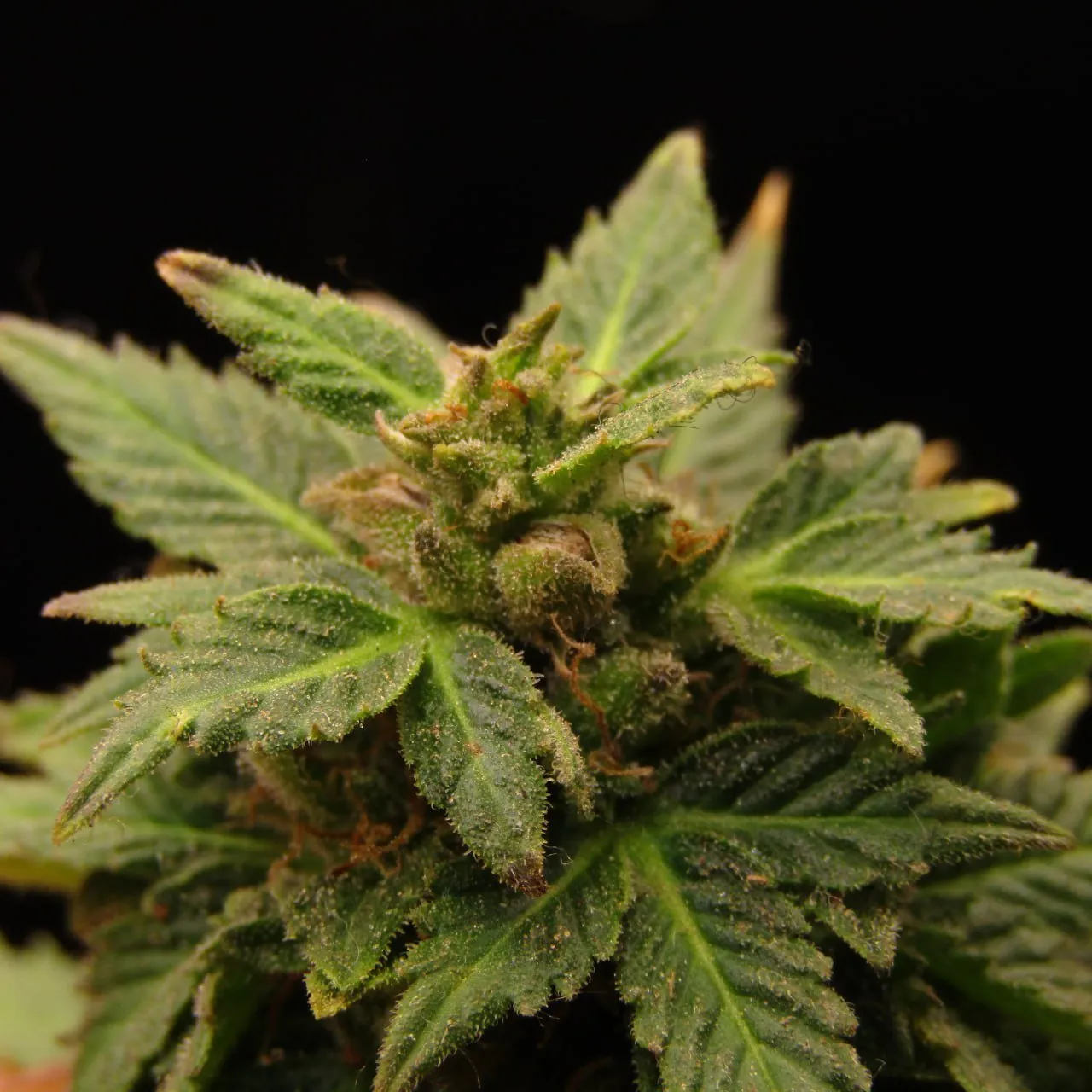
In week 17, maturing seeds are already showing at the tops. The lower parts still need a week or two.
Week 18 and harvest. Completed April 9, 2023
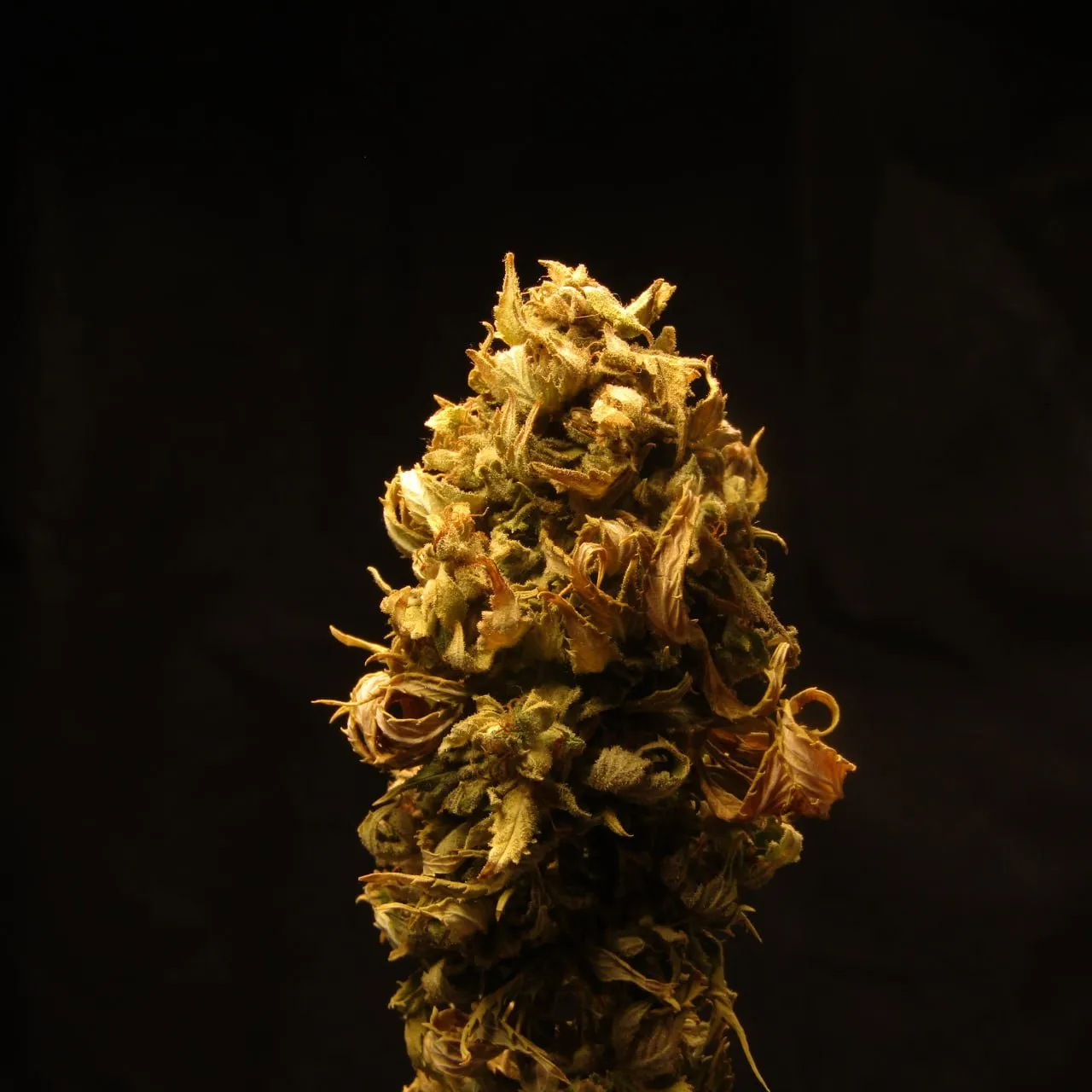
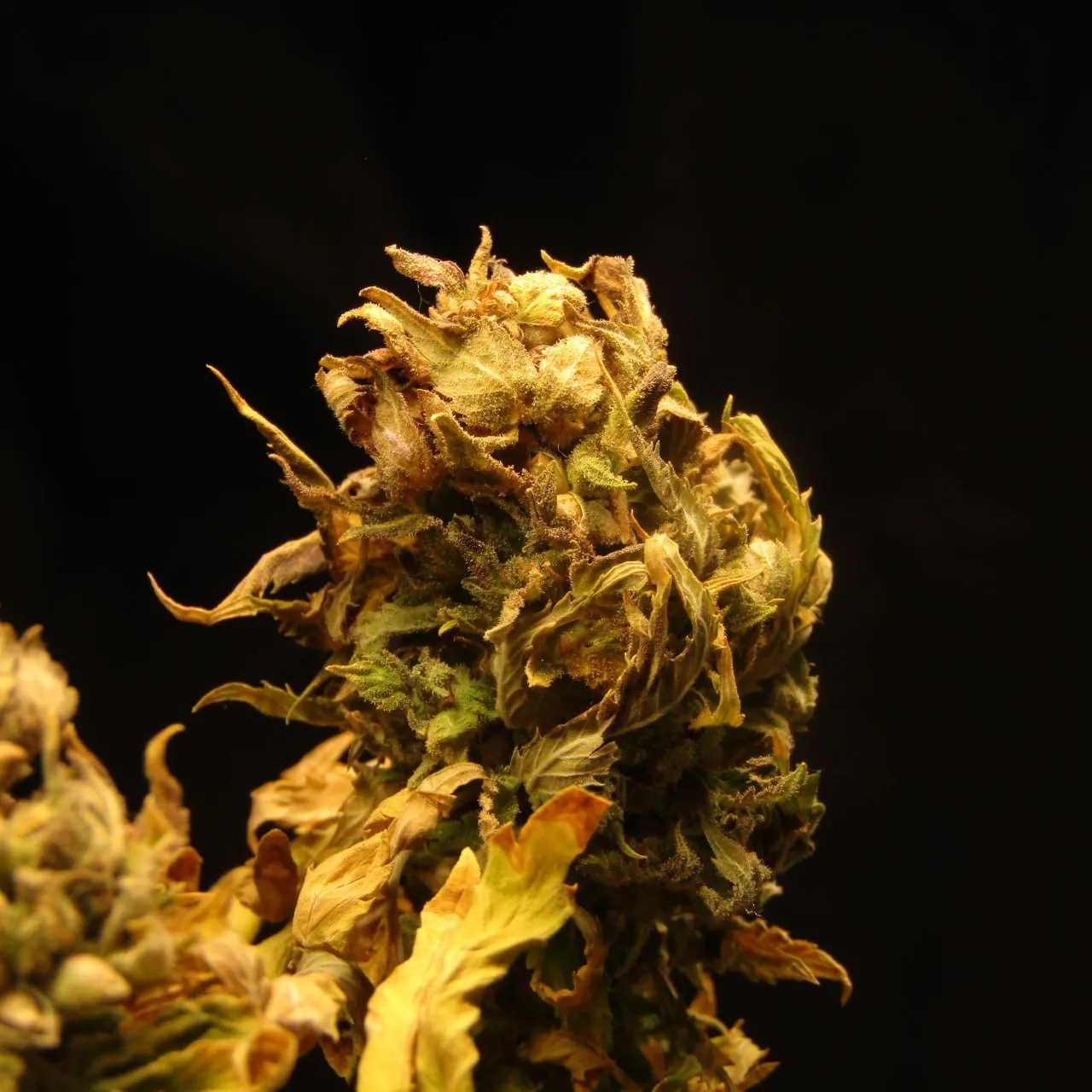
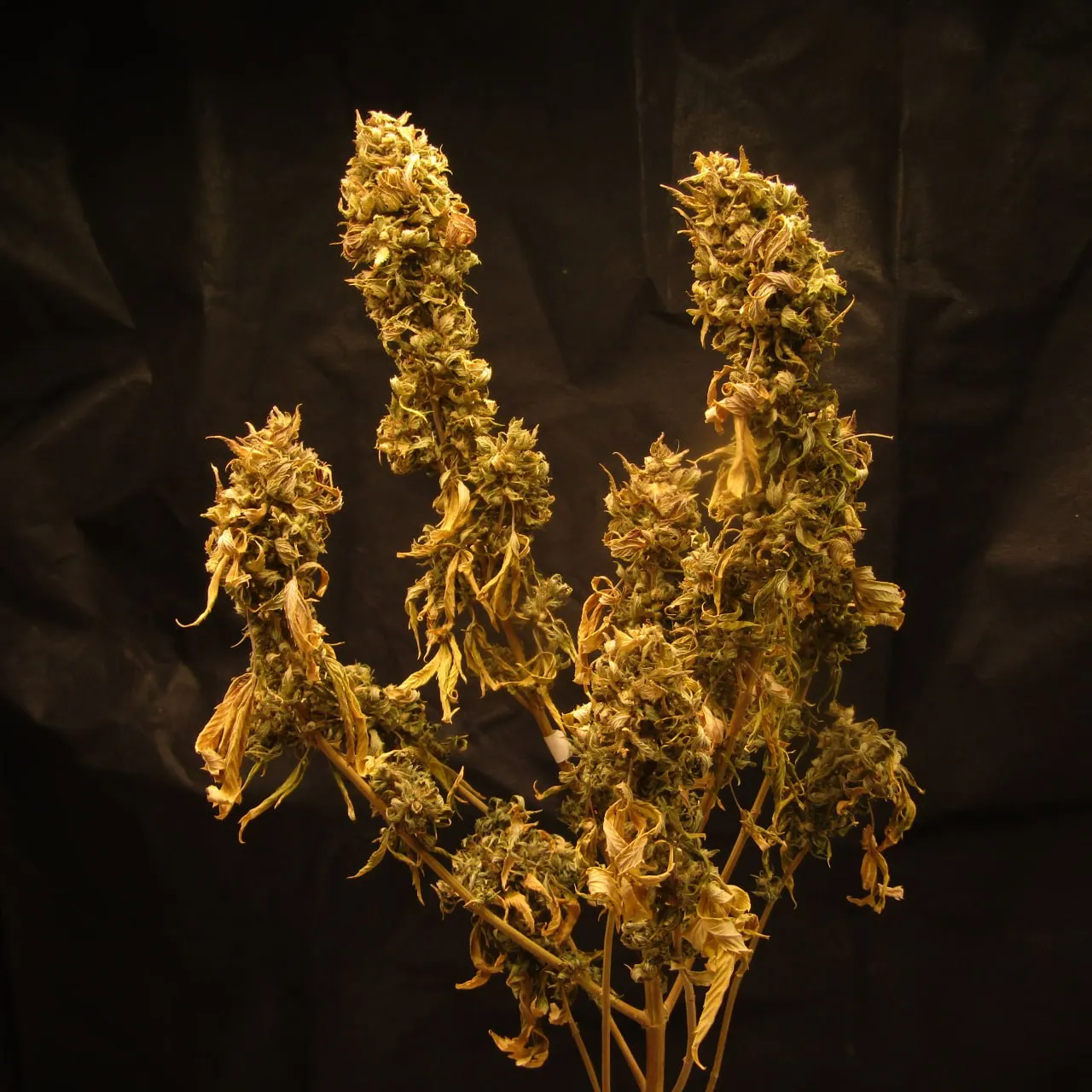
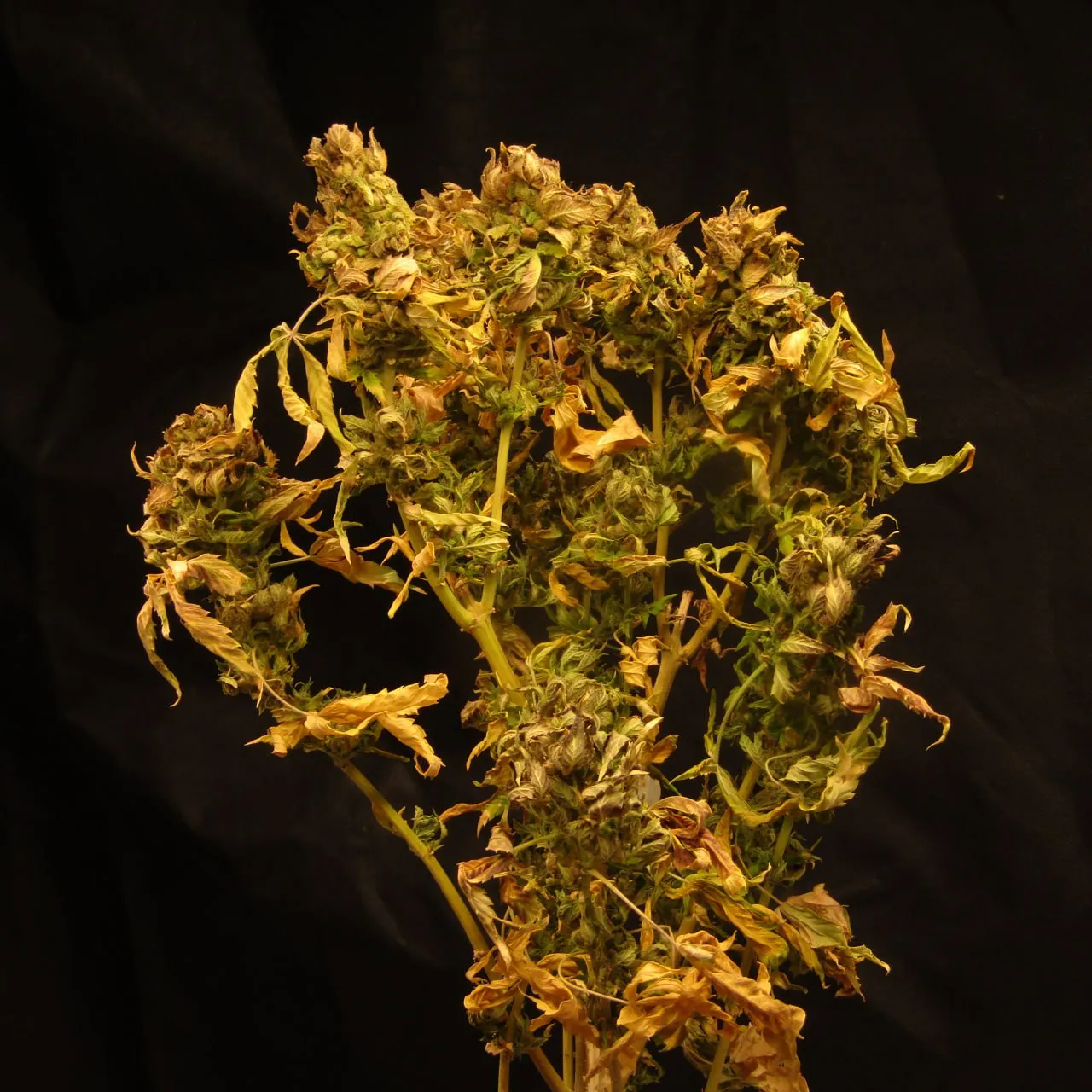
I had planned to grow out a clone of BR#3 to get more seeds for the next round, but I think the current seed harvest from the miniature version will be enough. Once the plants had dried, I collected the seeds. In a couple of months I will start a new round, where the most interesting part begins: searching the The second generation of a cross, descended from F1 plants. Traits can separate into different combinations in this generation. F2 ↗ generation for A plant that starts flowering independently of the length of the day. autoflowering ↗ plants with Bastard leaves.
BR#3 has a sweet-and-sour aroma with bright lemon and lime citrus. BR#12 has a sweet-and-sour lime-and-mint aroma, slightly reminiscent of menthol sweets. Both plants went through a series of stress tests with drought, overwatering, overdosing, and a disrupted light cycle, and showed no signs of hermaphroditism.
Sources
- DZAGI (forum login required)
- ICMag
- mutantfarmer on Telegram