
Today, we have a distinguished guest: Miracle Alien Cookies, or simply MAC to friends. Take a seat, and let’s get acquainted.
Don’t forget your roots, remember
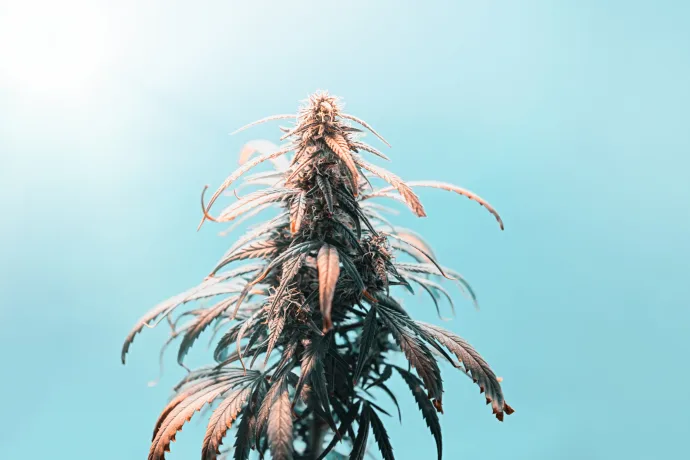
This strain comes from Los Angeles, and it shot to the top of the charts at many dispensaries across the United States. Cannabis breeder Capulator understood and properly applied the rich ancestry of many of the best hybrid strains, which includes Durban Poison and Hindu Kush, GSC, OG Kush, and Chemdawg. It was such a success that buds and clones sold out everywhere within a few months. Since growers hadn’t anticipated its success, seed supplies ran out, and only a few clones of this incredible strain survived.
MAC’s journey began with a cross between Starfighter and the Columbian Gold landrace, which breeder Capulator personally brought from South America. As the story goes, the seeds were tragically left in the pocket of the breeder’s pants, which went into the washing machine. A brave heroine placed the soapy seeds in paper towels, where they all germinated and seemed healthy. But, alas, soon after planting, all those seedlings died at once. All except one. This one, the fifteenth planted and the only survivor, was therefore named Miracle 15. However, #15 was male, so he could never give us those beautiful buds. But a lady named Alien Cookies appeared. They fell in love and had an only child, which they named Miracle Alien Cookies. That’s how MAC was born.
Capulator later improved his product into a new version, MAC #1, through A backcross: crossing a descendant with one of its parents to preserve or reinforce that parent's traits. backcrossing ↗. Thanks to its inherited Colombian sativa genetics, increasingly hard to find these days, balanced by the indica-dominant Alien Cookies and Starfighter strains, MAC and its MAC#1 version have incredible trichome production.
MAC is currently one of the most sought-after strains among growers from different countries, and today its original genetics are incredibly hard to find. But if you’re a fan of Cookies genetics, or have long wanted to try this family, it’s worth getting to know MAC personally.
Pass it on
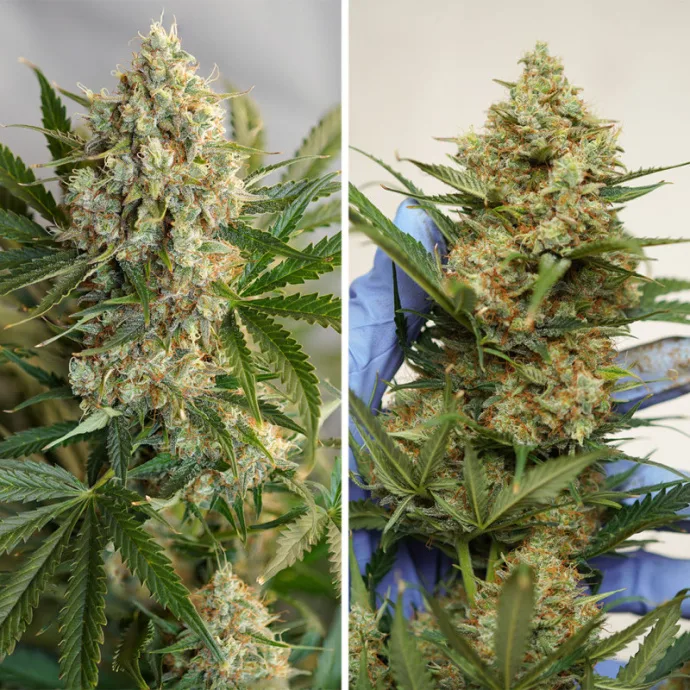
As Miracle Alien Cookies (MAC) genetics became popular and gained recognition in the cannabis community, guys took them into crosses with other strains to create new hybrids. Here are some popular strains that used MAC:
- MAC 1 or Miracle Alien Cookies 1: a MAC variation that became very popular. It is known for its high THC content and complex aroma. MAC 1 became one of the cannabis community’s coveted strains.
- Capulator’s MAC or Caps Cut: another well-known MAC variation that also gained widespread recognition. It has an appealing aroma.
- Miracle Gelato: a hybrid strain created by crossing MAC with the well-known Gelato strain. The result is a potent strain with a sweet flavor.
- Auto MAC: an A plant that starts flowering independently of the length of the day. autoflowering ↗ version of MAC#1 that received its autoflowering trait from Dutch Passion’s Auto Think Different.
These are just a few examples of popular strains using MAC genetics. These hybrids combine MAC’s unique characteristics with other strains, creating new and exciting variations for cannabis enthusiasts.
I smell wonderful
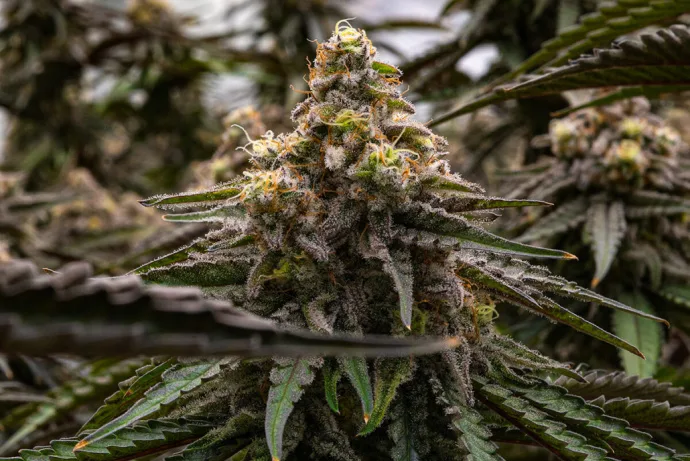
Now let’s go over its sensory qualities. MAC’s dominant terpene is limonene, found in the peel of citrus fruits such as oranges, lemons, and limes. Other abundant terpenes include pinene, present in pines and other conifers, and caryophyllene, which provides a spicy, peppery aroma.
This combination of terpenes gives the strain a unique profile, featuring an unusual, pungent aroma and a subtle orange flavor balanced by floral accents that develop into a sweet, earthy aftertaste. Users describe a sweet-and-sour flavor that seems like a mix of rubber, gas, and citrus peel, reminiscent of the classic Sour Diesel aroma but with a spicy herbal note. If you’ve tried diesel strains before, you’ll know what that means.
And they grow that way too
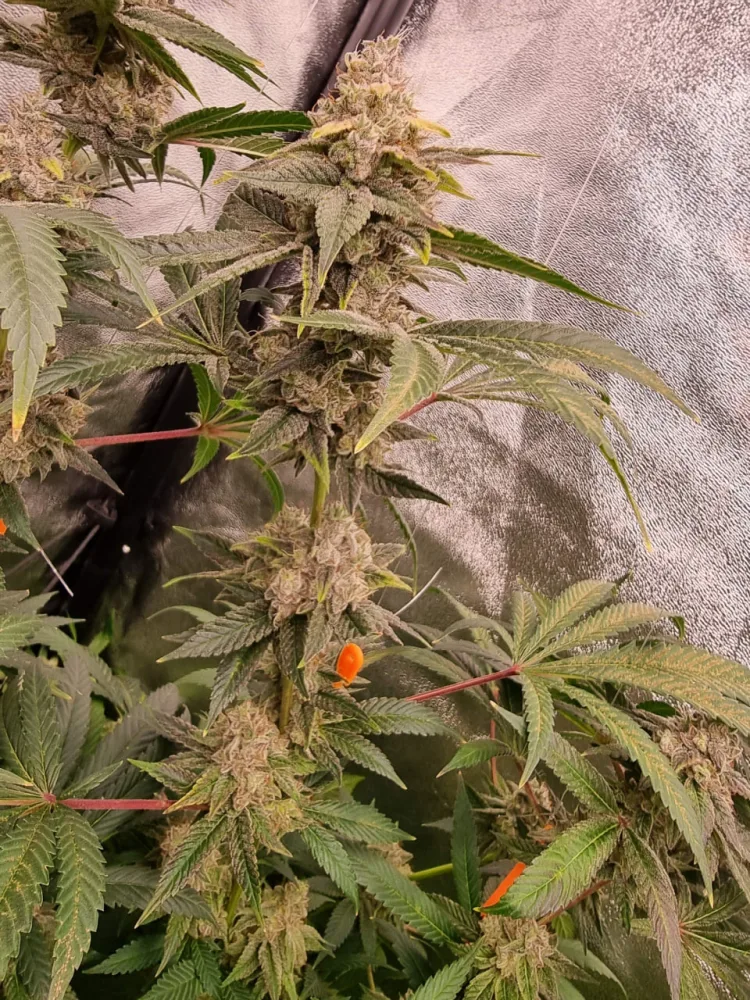
MAC is easy to cultivate and adapts well to many environmental conditions. But it can grow quite tall, so make sure you have enough vertical space. Flowering takes 60–65 days, when your buds become super sticky and ready for harvest.
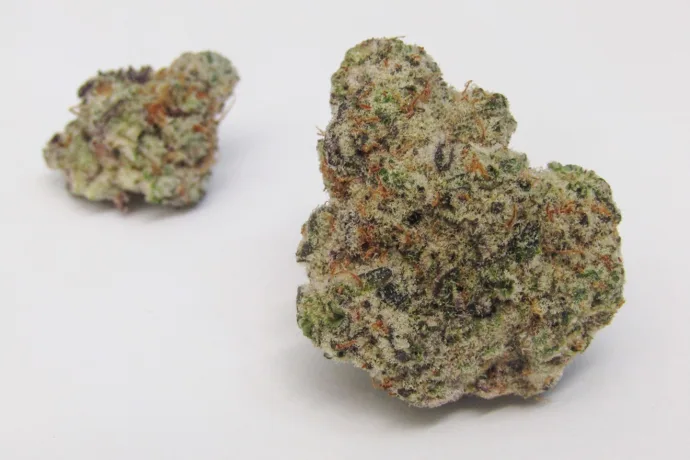
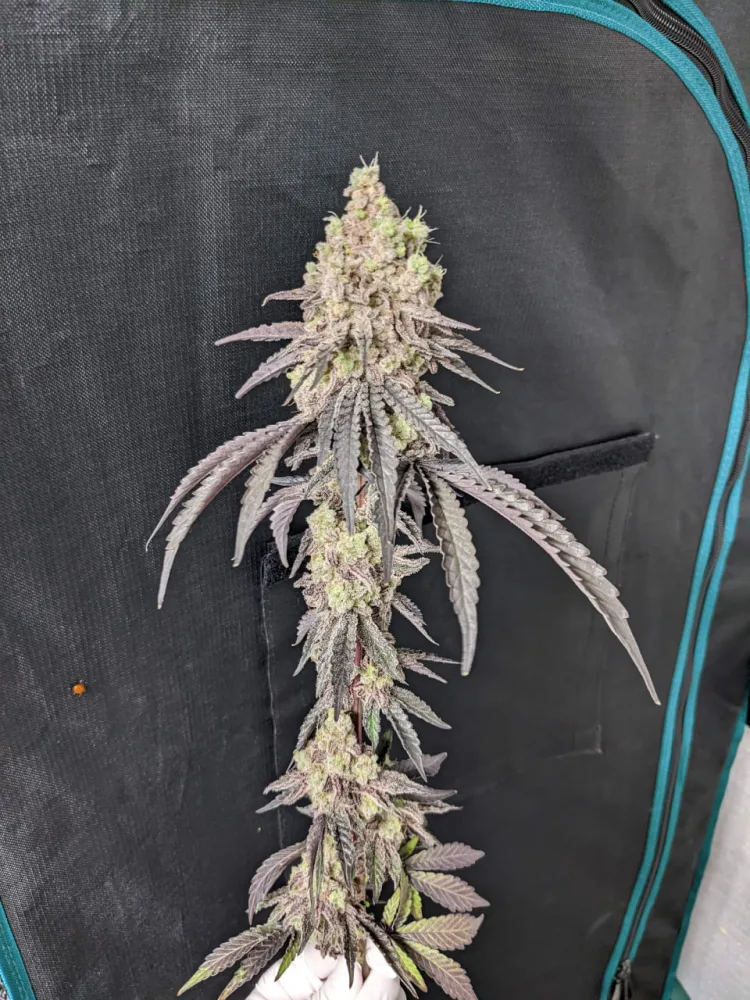
By the way, toward the end of flowering, the buds can be various colors, from purple to blue, green, red, yellow, and orange, with some displaying flecks of every color. Whatever the color, reflected light makes it seem pale because of the abundant trichome coating, most heavily concentrated at the tip of the cola.
Sources: publicly available publications about the company and the strain.