
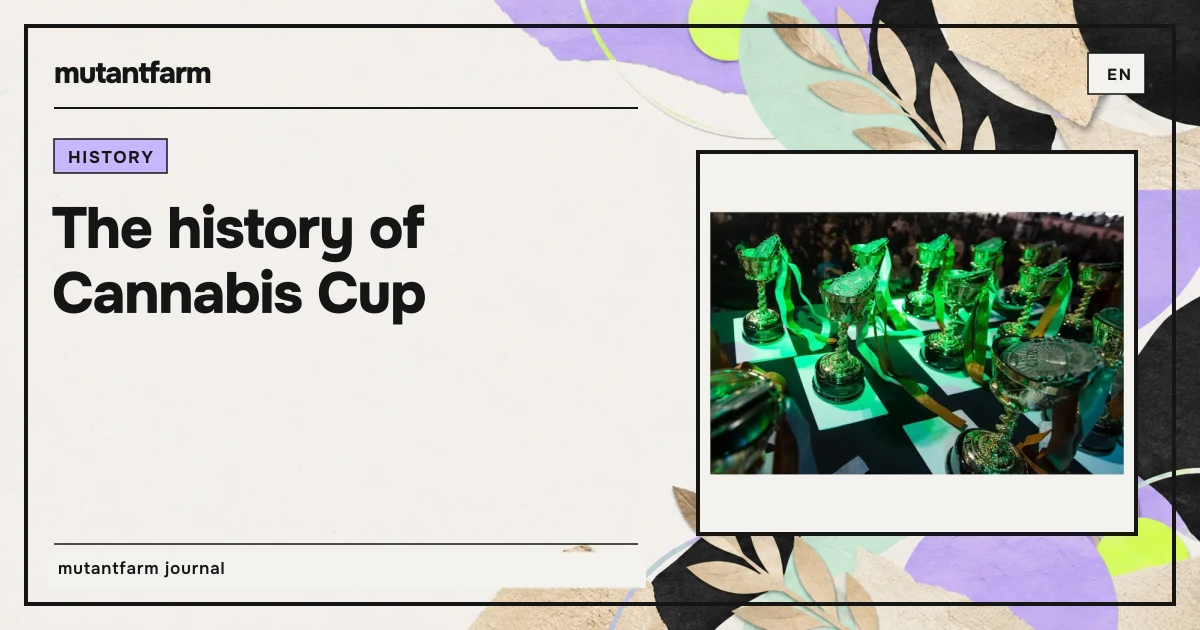
Hao, man! Today, I’ll take you into the world of prestigious cannabis competitions that celebrate this amazing plant’s culture and spirit. We’re talking about the famous Cannabis Cups.
These events are a celebration for the community of cannabis enthusiasts and serious competitions where growers and breeders from around the world showcase their achievements, while experts and connoisseurs determine who deserves to be this year’s best.
Let’s fill our cups
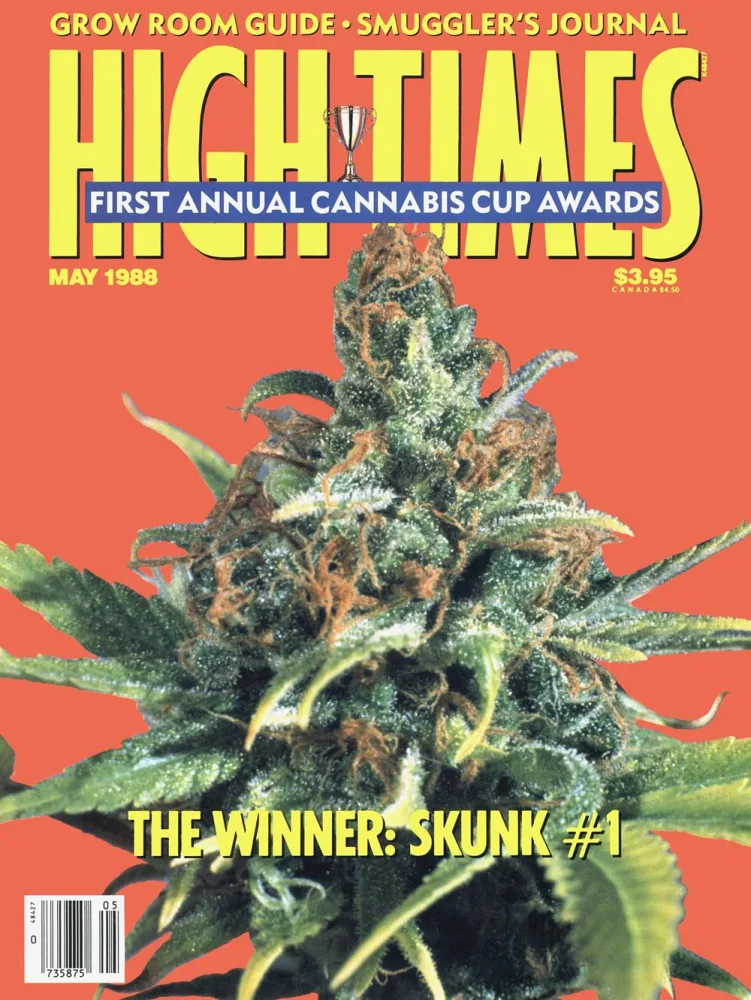
As you like it, let’s start deep. Back in 1988, Steven Hager became editor of High Times Magazine, a counterculture journalist who covered the birth of hip-hop in New York. He played an important role in removing hard drugs such as cocaine and heroin from the magazine’s pages and refocusing it on culture, lifestyle, and growing good cannabis.
At one point, Hager caught a wave of inspiration watching California’s cannabis harvest festivals, where local growers gathered to compare the current season’s stash. He wanted to create an official cannabis competition in which the best of the best would compete. But California was still 8 years away from becoming the first state to legalize medical marijuana, and he had to look outside the US to plan his event.
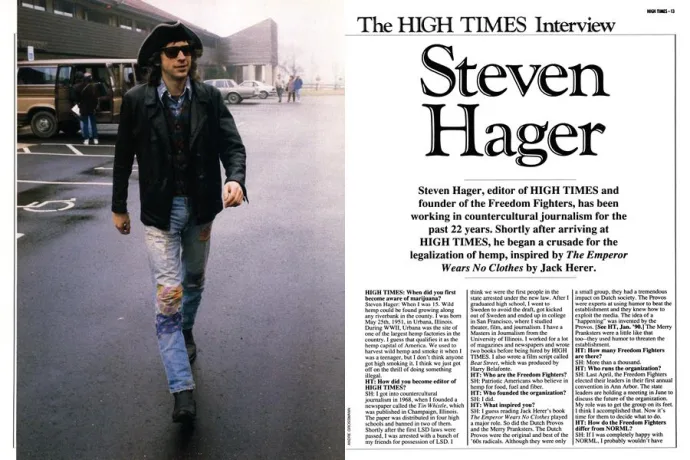
Our editor made many trips to Amsterdam, formed lifelong friendships there, and regularly sent High Times reporters to cover events in the Dutch “Shangri-La.” It was on one of these trips that the idea arose to hold a growers’ competition for the best plant.
A team of expert judges selected the best cannabis strains grown in the Netherlands and awarded the High Times cup to whoever grew the best bud. It was only natural for Amsterdam to host such an event, since it was literally the only place in the world where it could happen.
The first High Times Cannabis Cup was held in November 1988 in a reception room above an Amsterdam bar. The event consisted of a small group of experts and four seed banks: Super Sativa Seed Club, Sensi Seed Club, Seed Bank, and Cultivators Choice. The winner was Cultivators Choice’s Skunk #1.
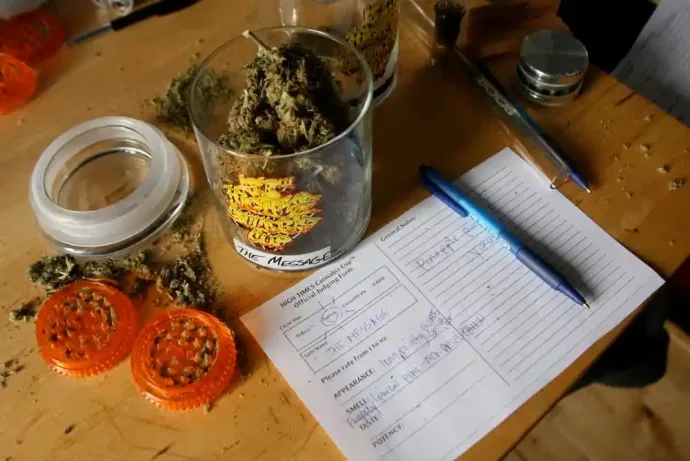
Subsequent events were roughly similar in participant numbers and scale, but added more awards: cups for best sativa, best indica, and best hybrid, plus prizes for first, second, and third place in each cup. These events took place in small rooms with only around 50 people, and it’s safe to say they didn’t generate much buzz.
The underground’s heyday in the ’90s
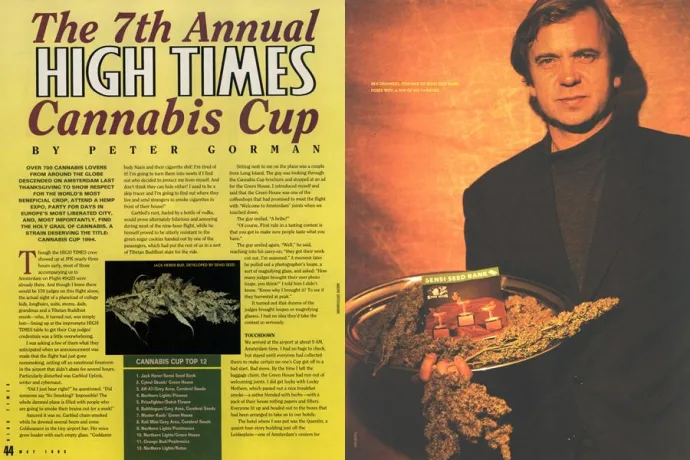
But word spread, and the sixth High Times Cannabis Cup drew more than 800 people. With live entertainment and educational lectures, the cup became a real attraction in just a few years.
When local coffeeshops began entering the cup, the competition effectively opened to the general public. Amsterdam’s coffeeshops had long grown their own strains, and now they could compete over whose cannabis was best. This cup also opened to public voting, and any visitor could now buy a judge’s ticket. The aim was to encourage a coffeeshop “crawl,” where public judges could visit and sample award contenders, then vote for their favorite flower.
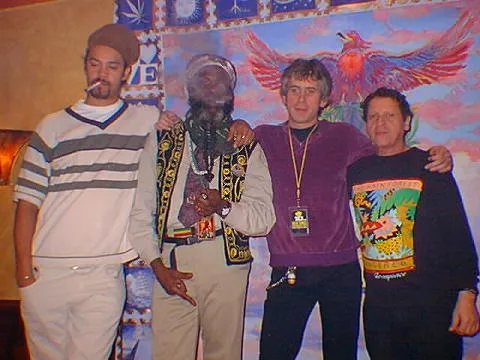
The awards themselves were also becoming more prestigious. Winning meant a lot. For seed banks, it meant higher sales of winning strains. Coffeeshops attracted more customers if they sold award-winning buds.
In the mid-to-late ’90s, the High Times Cannabis Cup was an underground cannabis extravaganza. There was nothing else like it in the world.
Today
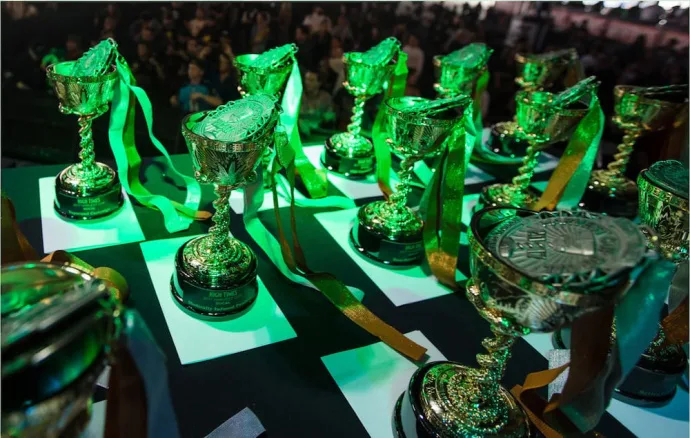
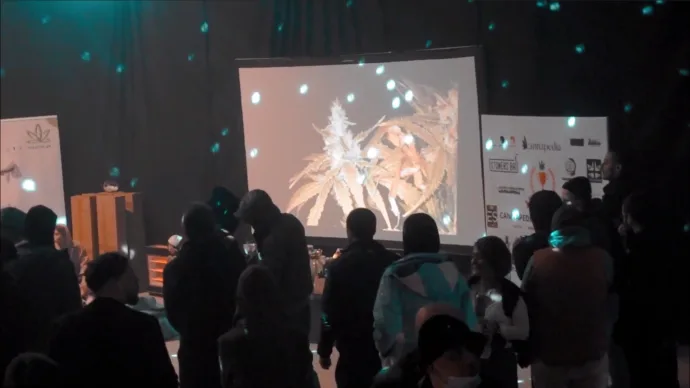
Today, the High Times Cannabis Cup is more than a competition: it’s an entire festival forum where cannabis enthusiasts worldwide gather to celebrate the best of the cannabis world. It’s both a competition among outstanding strains and producers and a platform for educational seminars, exchanging experience, and entertainment, from concerts to creative activities. Cannabis Cup is hosted by states where cannabis is legal, becoming a beacon for cannabis culture and recognizing those who put their hearts into their craft, lifting them to the industry’s top.
HTC grew from the modest beginnings of Amsterdam’s underground competitions into a large event held in different regions, with expert judging. It adapted to changes in legislation and public attitudes, moving from the prohibition era to legalization. Today, Cannabis Cup remains a coveted trophy for people at the forefront of the cannabis industry, recognizing innovation and quality worldwide.
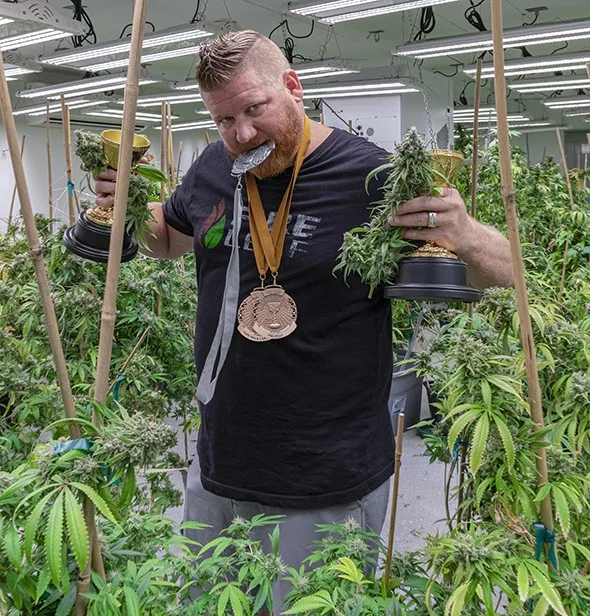
Every Cannabis Cup becomes a colorful event where growers meet to showcase their achievements. The event combines an innovation exhibition with a cultural program featuring global stars like Wu-Tang Clan or Nas, creating a celebration for like-minded people. Over the years, these events have contributed to cannabis decriminalization and legalization, helping break down the “junkie” stigma and broaden millions of people’s minds.
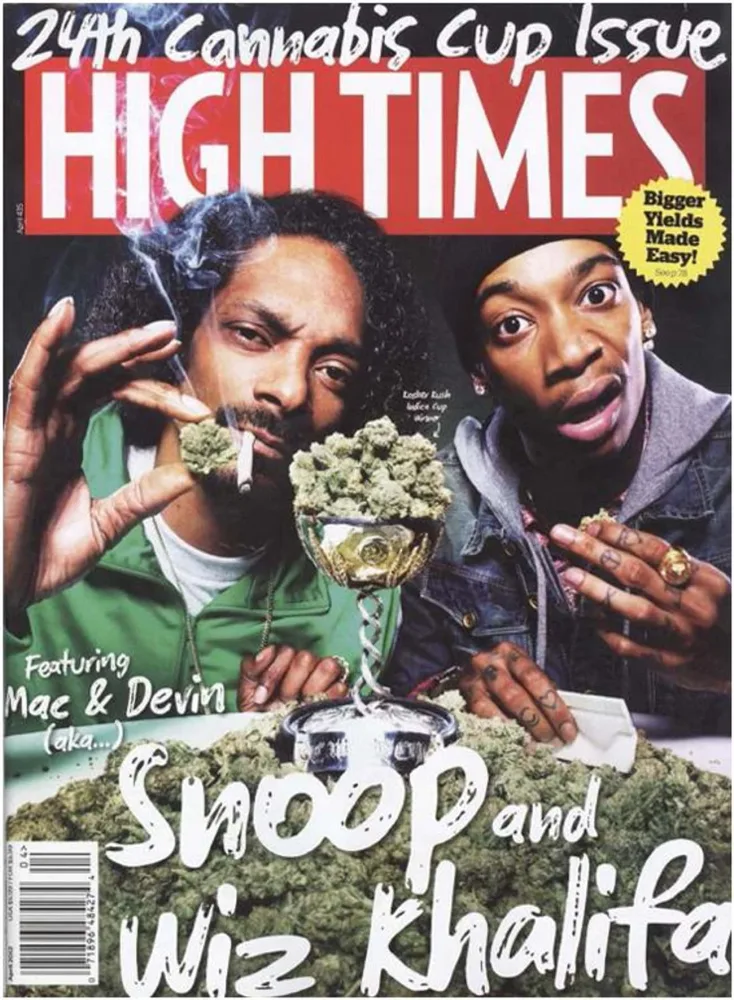
Over Cannabis Cup’s history, its winners have often gained long-term economic benefits. Winning the competition took many brands to a new level, turning unknown strains into worldwide names. Judges included celebrities and iconic figures such as Tommy Chong, Snoop Dogg, and Wiz Khalifa, adding status and influence to the event within cannabis culture.
Cups around the world
The High Times Cannabis Cup has established itself as a symbol of cannabis industry success, honoring those who contribute to culture and innovation. But this iconic series of events is only the tip of the iceberg. Other cups and festivals take place worldwide, each with unique traditions and achievements, expanding cannabis culture’s horizons. Let’s meet some of these international competitions that also left a vivid mark on cannabis history.
Cannabis Champions Cup / Spannabis Champions Cup
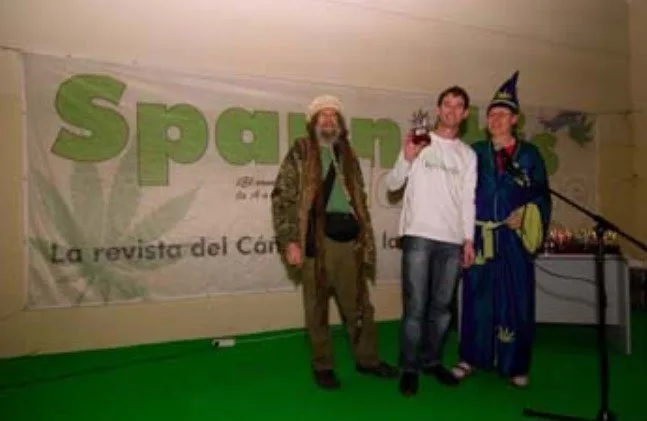
The Spannabis Champions Cup, previously called the Cannabis Champions Cup, has been a key event in cannabis enthusiasts’ calendars since 2005. This annual event, coinciding with Spain’s Spannabis exhibition, became a real festival, with its champions’ cup competition among the world’s most prestigious.
Europe’s Spannabis Champions Cup is known for the highest quality of entered samples and attracts elite growers and extract producers. This year, at the 18th Champions Cup in Barcelona, visitors were given the opportunity to influence competition results for the first time. With the introduction of a public jury, anyone could try being a judge.
The Spannabis Champions Cup features the following award categories:
- Sativa
- Indica
- Solvent extraction
- Solventless extraction
- CBD-rich strains
These categories reflect the diversity and specialization of modern cannabis cultivation and use, allowing judges to evaluate different aspects and qualities of cannabis, including aroma, flavor, and effects.
Highlife Cannabis Cup
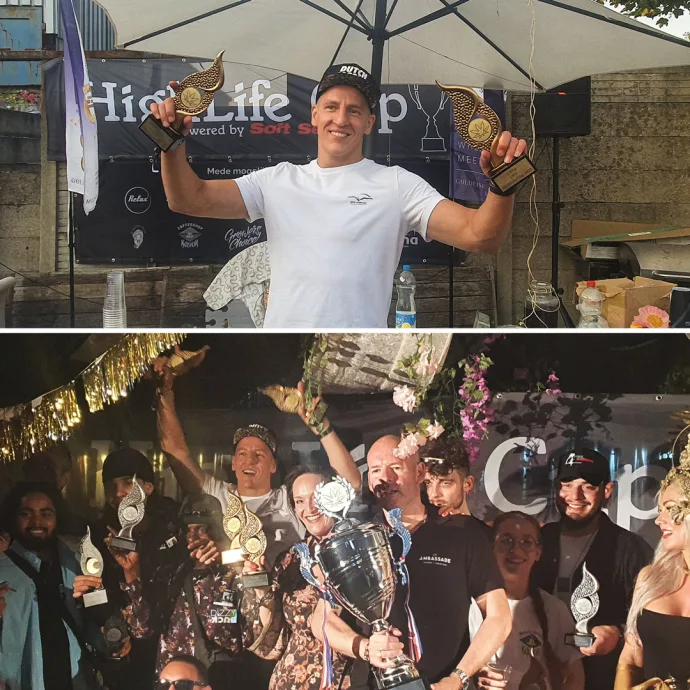
The Highlife Cup was founded in 1994 in Holland by the Dutch Highlife magazine and covers products from coffeeshops and seed-producing companies.
As a Highlife Cup judge, each participant receives a smell-proof bag containing all the samples entered across all 12 categories. Each sample bears a sticker containing only a code of letters and numbers. So it’s a blind test. As a jury member, you know only which category the sample belongs to. Nothing more.
The judges never learn who submitted an entry, making this cup extremely fair. Each sample bag contains 2 grams of flowers. This year’s categories are:
- Hydro Weed (cannabis grown in hydroponic systems)
- Bio Weed (organically grown cannabis in soil)
- A plant that starts flowering independently of the length of the day. Autoflowers ↗ (autoflowers grown both indoor and outdoor)
- Hydro-grown Haze strains
- Soil-grown Haze strains
- Kush strains
- Skunk strains
- Sativa (genetically >70% sativa)
- Indica (genetically >70% indica)
- Medical strains (high CBD and low THC content)
- Hash (traditional hash)
- Hash extracts
Emerald Cup
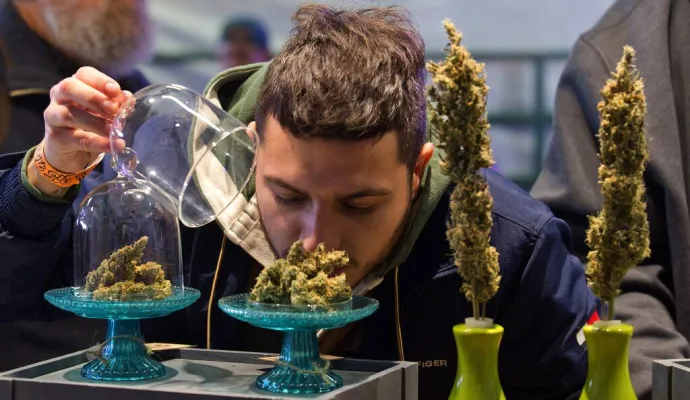
The Emerald Cup was founded in 2004 by several novice growers who informally gathered at Area 101 in Laytonville to share their bud-growing tips.
From its early years, when competitions took place in a small circle and many farmers hid their identities for fear of prosecution, to the center of loud, proud culture it has become today, the Emerald Cup remains a keeper of authenticity, a celebration of farmers and harvests, and a destination for anyone seeking life’s best things.
Rooted in the rugged mountains of Northern California’s world-famous Emerald Triangle, the Emerald Cup proudly continues a 19-year tradition of honoring the plant, its surrounding culture, and bold growers by presenting the legendary Emerald Cup Awards.
California’s market is the largest and most diverse on the planet. The Emerald Cup has long been the premier competition, celebration, and direct consumer market for the best California has to offer.
Main grower categories:
- Sungrown flower
- Mixed-light flower
- Indoor flower
- Greenhouse-grown flower
- Flower grown for personal use (a category for home growers)
There are also categories for breeders, extract producers, and, of course, best pre-roll.
Autoflowers World Cup
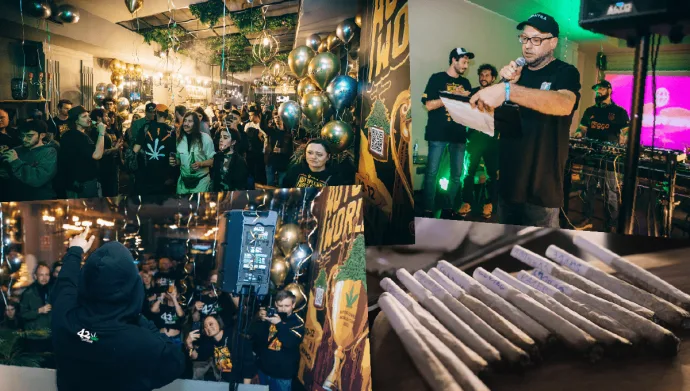
Fresh stuff, bro! The Autoflower World Cup is one of Europe’s most exclusive events dedicated to autoflowers, bringing together top seed banks, growers, and specialists to celebrate, socialize, and draw attention to the best autoflower genetics.
The cup was first held in Barcelona, Spain, in 2021. The first event welcomed the autoflower community and anyone wanting to learn more about autoflowers, giving the entire cannabis community a chance to feel at home and make history together, taking truly outstanding genes from obscurity to the top.
In 2024, everything is expected to be bigger and better: new categories, more brands, breeders, and leading industry specialists. The guys plan to take the Autoflower World Cup to a completely new level.
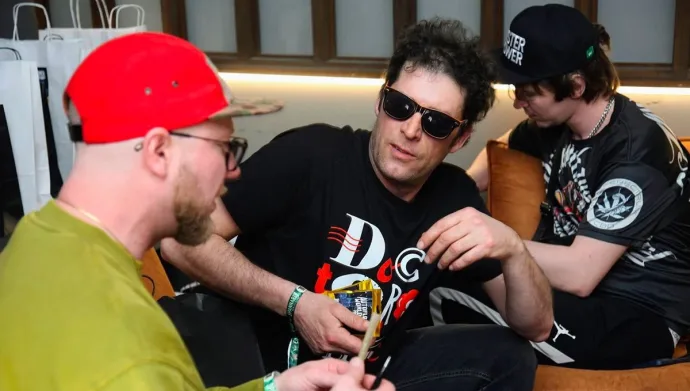
The cup’s curator is Arnau Tango, a well-known local with more than 10 years of industry experience. The guy puts his whole heart into selecting the best samples and makes sure everyone has a good time! Incidentally, Sasha Joint Doctor himself was among the judges at the last cup. Who better than the father of autoflowers to give the best evaluation?
AWC categories:
- Best indica
- Best sativa
- Best strain released in the current year
- Best CBD strain
- Seed bank of the year
Copa del Plata
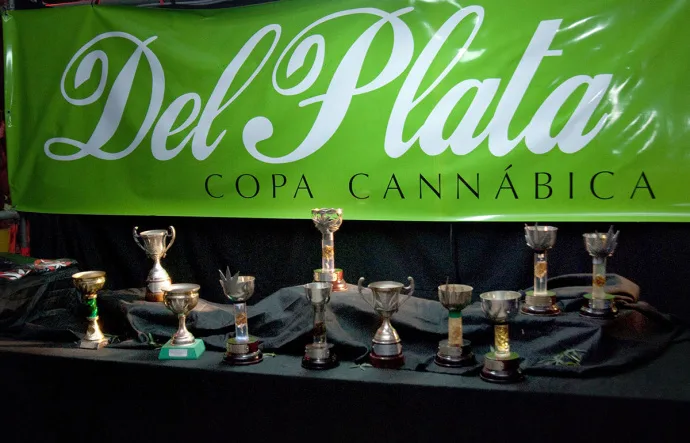
Copa Cannábica Del Plata is a South American cup held annually in Argentina. This year, Copa del Plata turned 22, making it one of the longest-running cannabis competitions in the Americas. Although many contestants come from Argentina, representatives of neighboring countries, such as Brazil, Chile, Peru, and Uruguay, also participate.
Del Plata began as a gathering of friends who met every year and tested their samples. But there was always a “mine is better!” battle. Every participant said that, until they decided to introduce a jury and make things more serious. The judges were still the competing growers themselves, though, so it always ended in debate.
In 2003, they decided to invite outside judges, people who didn’t know the contestants. By 2004, the growers were no longer friends or acquaintances. The guys announced the competition on the Cannabis Cafe and Marihuana.net forums, so newcomers didn’t recognize one another by face and used aliases. The organizers gathered them at a rural stop and took them by bus to the competition venue. During the event, they began recognizing one another and their personal projects, opening doors and minds to the beginnings of a national cannabis industry.
Cannabis Cup Basque / Irun Expogrow Cup
Cannabis Cup Basque, now known as the Irun Expogrow Cup, takes place in Spain’s Basque Country, usually in September. The competition is the culmination of the multi-day Expogrow exhibition, which celebrates cannabis culture and cultivation. Last year’s event, for example, covered more than 6,000 m² of interior space and more than 7,000 m² of open grounds.
Main categories:
- Sativa
- Indica
- Autoflowering plants
- Cannabis extracts (with and without solvents)
Dzagi Cup
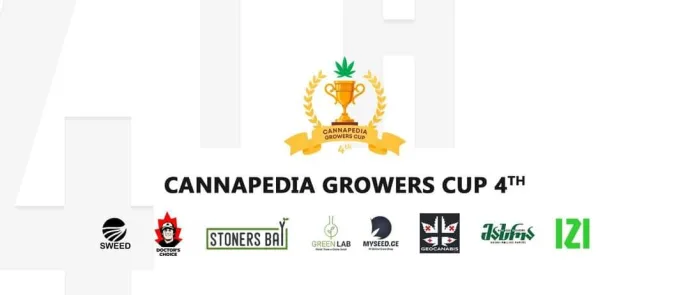
Dzagi Cup is Russia’s largest growers’ competition, now being held for the 19th time. The cup first began in 2004. Since then, it has developed and evolved into a big, interesting competition where fighting for victory gets increasingly difficult but remains just as exciting.
This online event lasts five months and includes various activities and competitions, allowing participants to compete in five different categories. Everything takes place online on the dzagi.club forum. Depending on the year, judges include both forum members and invited juries.
The 2023 Cup offers participants these main categories:
- Best indoor
- Best outdoor
And additional categories:
- Best hydroponics
- Best microgrow
- Best debut
See you in the final
In a world where cannabis is moving from the underground to recognition, cups like High Times and other regional and global competitions are hugely important. They both celebrate skill and innovation and help bring the community together, providing a platform for exchanging knowledge, experience, and cultural values.
These events go beyond simple competition. They symbolize progress in awareness and recognition of cannabis, help break down stigma, and support the fight for legalization. Every cup is an opportunity for growers, breeders, and entrepreneurs to showcase their achievements, which matters to the development of the entire industry.
These events have become beacons of progress that both recognize current successes and guide the movement into the future. They prove that cannabis is more than just a plant; it’s a cultural phenomenon that brings people together and helps an entire industry grow.
Sources: publicly available publications about the company and the strain.